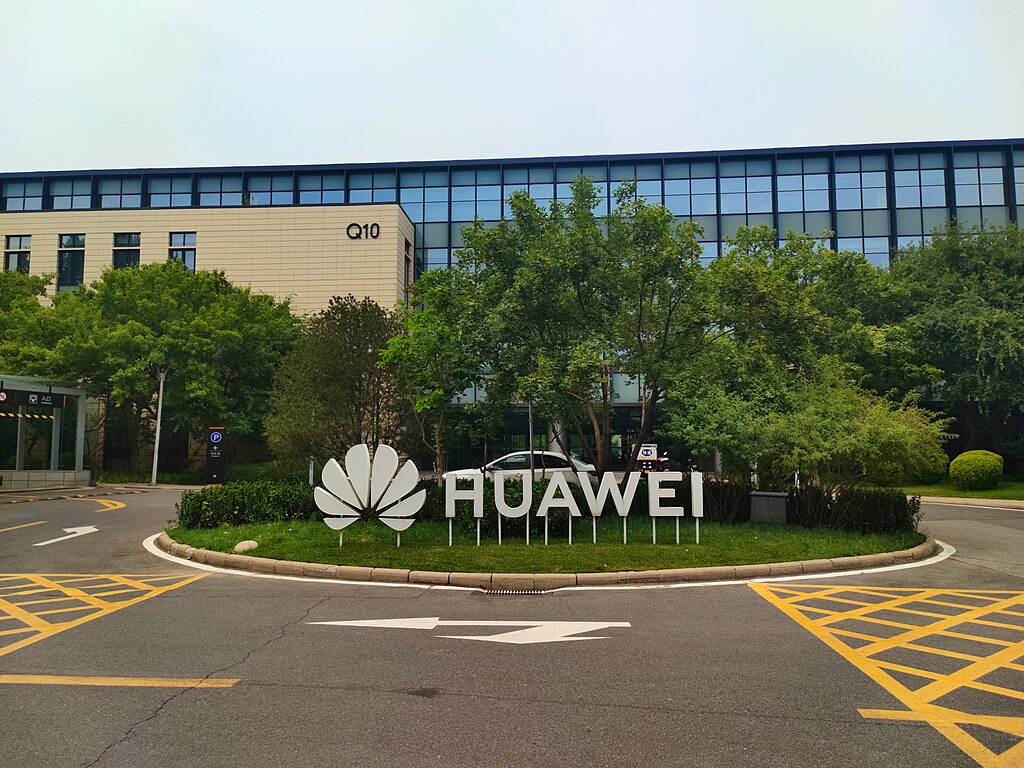
Huawei Technologies is preparing to launch its most advanced artificial intelligence processor yet, the Ascend 910D, aiming to compete with Nvidia’s high-end chips, according to a Wall Street Journal report. Sample batches of the new chip are expected by late May, with Huawei already approaching Chinese tech firms to begin feasibility testing.
The Ascend 910D is positioned as a domestic alternative to Nvidia’s powerful H100 chip, widely used for AI development. Huawei’s push into AI hardware comes as the company continues to navigate U.S. trade restrictions that have been in place for nearly six years. Despite these hurdles, Huawei has made notable advancements in semiconductor technology, exemplified by the Mate 60 smartphone launched in 2023.
The company’s move also follows tighter U.S. export controls that recently restricted sales of Nvidia’s H20 chip—the most advanced model Nvidia could sell in China without a special license. Nvidia warned that the new restrictions would result in a $5.5 billion charge in the first quarter.
In addition to the upcoming 910D, Huawei is ramping up production and shipments of its existing AI processors, the 910B and 910C. It has also started building large-scale computing systems to enhance their performance, reinforcing its commitment to reducing China’s reliance on U.S. chip technology. As AI competition intensifies, Huawei’s latest strategy signals a stronger effort to establish itself as a major player in the global AI semiconductor market.