


 Nvidia’s China AI Chip Market Share Falls to 34% as Huawei Gains Ground
  Anthropic Launches Claude Dashboards and Motion AI Tools
  US Suspends Microsoft, Adobe From Green Card Program
  Amazon Cuts More Jobs as AI Investment Expands
  Elon Musk Eyes Semiconductor Manufacturing Expansion With $15 Billion Terrafab Project
  Apple Supplier Luxshare Sees Limited Impact From US Patent Probe
  Trump Buys Up to $25M in Meta Stock, Invests in SpaceX Debt
  Meta Launches Muse Wonder AI Models, Shares Rise 3.7%
  Robinhood Chain Eyes Priority Gas Auctions for Faster Trades
  Apple Names Steve Smith M&A Chief in Leadership Shakeup
  Arthur Hayes Announces FLOP Testnet Launch Within Weeks
  Oracle Uses Trucked Natural Gas to Power AI Data Centers Amid Pipeline Delays
  Apple Supplier Luxshare Faces US Patent Probe, Sees Limited Impact
  Tencent Shares Fall as $5 Billion AI Bond Sale Weighed
  Epic Games Delays Disney Shooter, Shifts to AI-First Development


 Add as a preferred source on Google
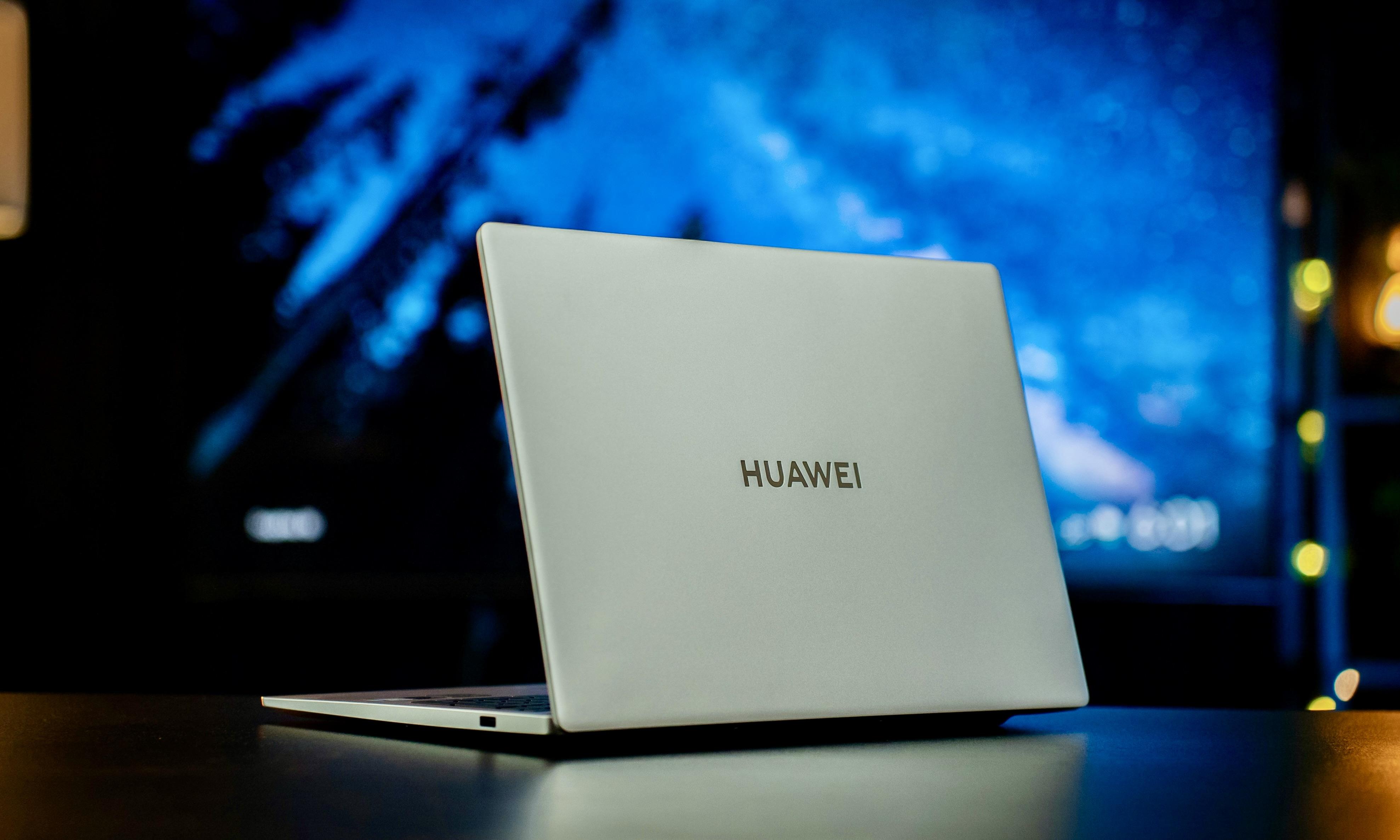
Huawei has denied allegations about its Kirin X-series PC chip development following the revocation of Intel and Qualcomm's export licenses by the United States.
Intel Export License Revocation
Recently, the United States revoked the export licenses that Intel and Qualcomm used to provide Huawei with semiconductors. Following that, there is a circulating allegation concerning self-developed PC chips from Huawei's Kirin-X series. The term allegedly appeared in a disclosed document.
Contradictory reports have surfaced regarding Huawei's alleged plan. A leaked document obtained by the Cailian News Agency (via Tom's Hardware) suggests that Huawei intends to develop and commercialize its HiSilicon Kirin X-series processors for PCs this year under the name "Taishan Battle."
Huawei's Position on Rumors
However, Huawei has vehemently denied these claims, labeling them "false news." The alleged plot was believed to involve key individuals in Huawei's semiconductor and consumer business units to accelerate PC processor development in response to Intel chip losses.
The alleged plan involved Huawei's HiSilicon Semiconductor and the Consumer Business Group, aiming to accelerate the development of PC processors to mitigate the impact of losing Intel's support. Despite these claims, Huawei officials have stated that the report is entirely baseless, with investigations showing that internal sources within the company have not received any communications about such developments.
For now, Huawei claims to utilize its current stockpile of chips to assemble its PCs. Nonetheless, Phytium, a Chinese semiconductor manufacturer, already provides processors for several Huawei laptops targeted for the home market. Additionally, the business is collaborating with Phytium to standardize the hardware and software architecture of the Kunpeng and Phytium CPUs, which are peculiar to China.
Details of the Alleged Kirin X-Series Processor
According to Huawei Central, here are some previous details for the Alleged Kirin PC chip: With the new Qingyun series notebooks, Huawei is expected to release its Kirin PC chip in the second or third quarter of 2024. The Chinese tech giant may use the CPU for consumer-based laptops after commercial products.
The Kirin PC chipset, with its new V130 Taishan architecture, may equal the performance of the Apple M3. It might also come with 2TB of internal storage and 32GB of RAM.
Photo: Amanz/Unsplash







