


 Samsung, SK Hynix Shares Plunge as China Chip Competition Grows
  Visa Wins China Approval to Prepare Domestic Payments Expansion
  US Dollar Near 18-Month High Ahead of Inflation Data
  Wall Street Ends Mixed as Investors Await CPI and Bank Earnings
  IMF, World Bank Meetings Face Global Economic Risks Amid Iran War
  Most Americans Oppose Election Betting on Prediction Markets, Poll Finds
  Gold Prices Hit One-Week High as Oil Falls, Fed Rate Outlook Weighed
  Coinbase CEO Backs SEC Accredited Investor Reform
  Moonshot AI Executives Seek Settlement Ahead of Hong Kong IPO
  Fed's Hammack Urges Faster Rate Hikes to Fight Inflation
  Ethereum Foundation-Linked Wallets Move $11.13M in ETH to Kraken
  TSMC Profit Set to Surge 65% as AI Chip Demand Drives Record Earnings
  S&P 500 Rally Masks Losses for Over 40% of Stocks in 2026
  Nvidia’s China AI Chip Market Share Falls to 34% as Huawei Gains Ground
  US Dollar Rises for Fourth Week as Fed Rate Hike Bets Grow
  Russia Approves Sberbank for Crypto Exchange Services
  Binance to Shut Down Crypto Mining Pool Services on November 10


 Add as a preferred source on Google
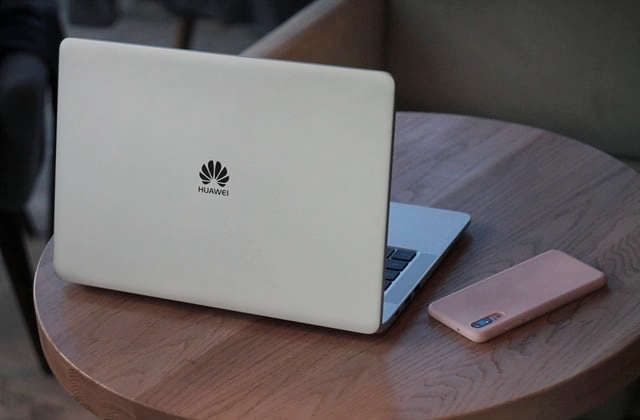
Huawei has been blacklisted in the U.S. after Donald Trump’s administration labeled the company as a threat to the country’s security. Now the Chinese company decided to take steps to prove it is not a national threat.
Huawei just filed a lawsuit to challenge the U.S. Federal Communications Commission’s claim that it is a risk to the nation’s safety. As per Fox Business, the suit was filed earlier this week at the U.S. Court of Appeals for the Fifth Circuit.
Details of the suit
While the administration has already changed and Donald Trump is not in the White House anymore, the restrictions he imposed on Chinese companies remained. Thus, even if the U.S. is being governed by Joe Biden now, Huawei is stepping up its legal action so they can be taken off from the blacklisted companies and continue operation without issues.
In its lawsuit, Huawei is asking the court to review the ruling handed down by the FCC last year. The company was found to be a security threat, and immediately, American telecom operators were banned from working or investing in Huawei.
The Chinese telecom giant stated in the filing that FCC’s ruling “exceeded its authority and was arbitrary, capricious, and an abuse of discretion, and not supported by substantial evidence.”
“Last year the FCC issued a final designation identifying Huawei as a national security threat based on a substantial body of evidence developed by the FCC and numerous U.S. national security agencies,” The Wall Street Journal quoted FCC’s spokesperson as saying in reply to Huawei’s complaint. “We will continue to defend that decision.”
Biden administration’s position in the case
Former President Donald Trump blocked Huawei from accessing American technology, and officials claim that China exploited Huawei to spy and obstruct telecommunications networks though no evidence was presented publicly. The company’s CEO Ren Zhengfei reiterated that his company is not working on spying for China or any other country, but Huawei remained banned.
Now, under Biden’s administration, Huawei is hoping it could be given another chance. With its requested review, the telecom firm hopes Biden will be more open to policies “that are in the interests of U.S. companies.” Then again, it was reported that the new administration hasn’t clearly spelled out its approach to Huawei yet, but Biden vowed to protect the U.S. security.







