


 Samsung, SK Hynix Shares Fall as China's CXMT Advances DRAM Technology
  Amazon in Talks to Acquire AI Startup Decart for $7 Billion
  Yandex Data Center Hit by Drone Strike as Russia-Ukraine Cyber Infrastructure Attacks Escalate
  Epic Games Delays Disney Shooter, Shifts to AI-First Development
  Amazon Cuts More Jobs as AI Investment Expands
  Moonshot AI Executives Seek Settlement Ahead of Hong Kong IPO
  Samsung Q3 Profit Hits Record High on AI Memory Demand
  Jameson Lopp Downplays AI Threat to Bitcoin Cryptography
  OpenAI Revenue Hits $50 Billion, Below Earlier $70 Billion Estimate
  US Suspends Microsoft, Adobe From Green Card Program
  Robinhood Chain Eyes Priority Gas Auctions for Faster Trades
  OpenAI Annualized Revenue Hits $50 Billion, Below Earlier Estimates
  Meta Launches Muse Wonder AI Models, Shares Rise 3.7%
  Elon Musk Eyes Semiconductor Manufacturing Expansion With $15 Billion Terrafab Project
  Oracle Uses Trucked Natural Gas to Power AI Data Centers Amid Pipeline Delays
  Apple Names Steve Smith M&A Chief in Leadership Shakeup
  Zcash Plans Quantum-Resistant Security Upgrade for January


 Add as a preferred source on Google
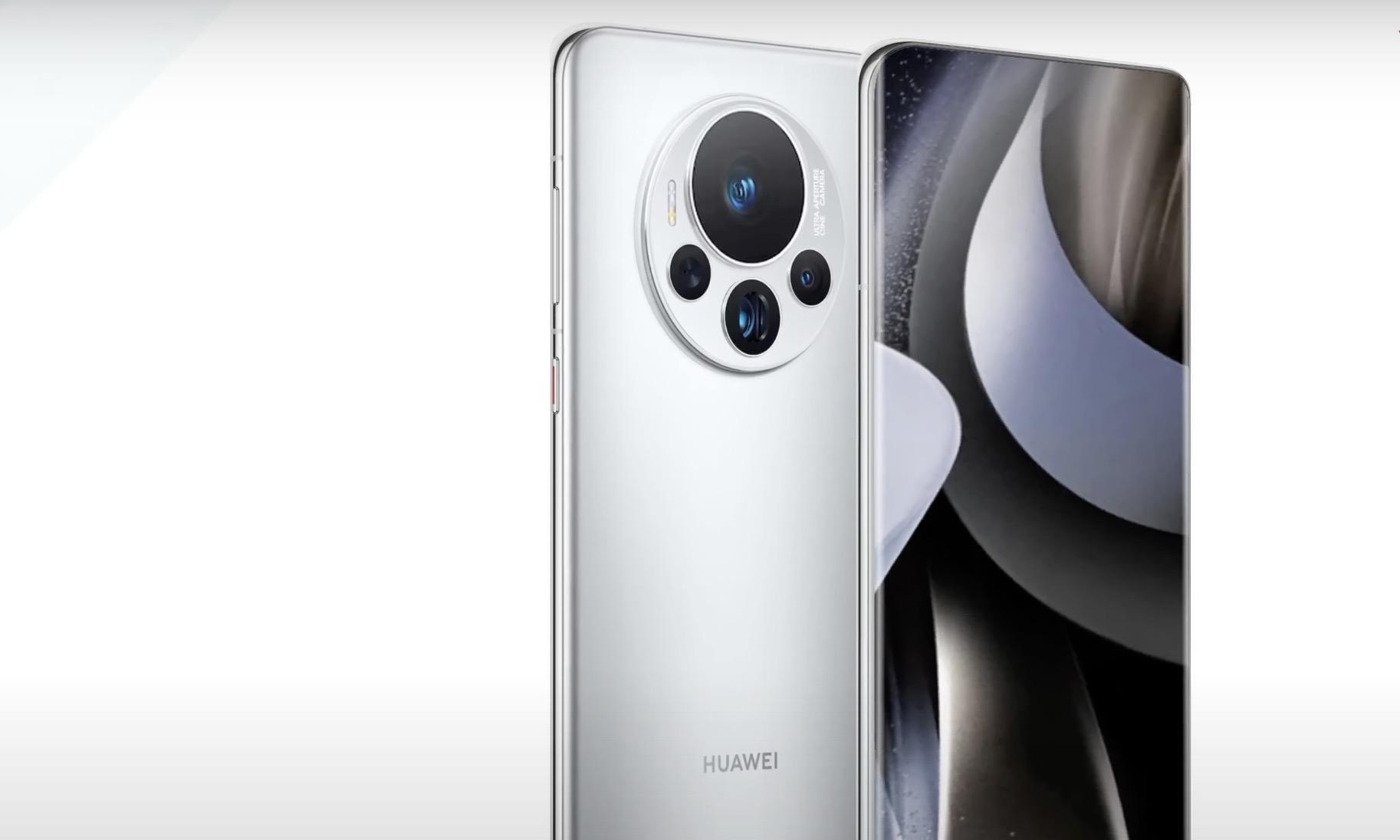
Rumors swirl around Huawei's upcoming Mate 70 flagship series, hinting at a groundbreaking inclusion: the Kirin 9100 chipset. Initial performance figures suggest the chip matches Qualcomm's Snapdragon 8 Gen 1, setting the stage for fierce competition in the smartphone market.
Kirin 9100 Performance Revealed
Huawei will purportedly debut its first 5nm chipset for the Mate 70 flagship series in October of this year, but earlier speculations have not revealed the silicon's official name, as per Wccftech. Fortunately, additional information emerged shortly after, suggesting that the SoC will be known as Kirin 9100 and that it achieved a score of 1.1 million in AnTuTu during its initial performance test.
The report originated on Weibo, where a man going by the handle @DirectorShiGuan claimed on the international microblogging social network that the Kirin 9100 scored 1.1 million. Huawei Central observed the post, however there's no mention of the AnTuTu benchmark. Fortunately, this is unnecessary because AnTuTu is the only testing suite that returns results in the millions.
Huawei's Competitive Position
While we investigated the benchmarking website's leaderboards, it was discovered that the score corresponded to what Qualcomm's Snapdragon 8 Gen 1 would achieve while running on various Android-powered handsets. In comparison, the Kirin 9010, which powers Huawei's current Pura 70 series, can achieve scores of 960,000 to 980,000, putting the Kirin 9100 between 12 and 14 percent faster.
Given that the next silicon is said to be mass-produced using SMIC's 5nm process, we should expect improved energy efficiency along with a minor performance boost. We reported that the Kirin 9100 would be as quick as the Snapdragon 8 Plus Gen 1, but according to current results, Huawei's forthcoming processor is a step below that.
With the US trade ban in place, it was always difficult for Huawei to catch up to competitors, and despite the unveiling of the 5nm SoC, the business is still a couple of generations behind. Qualcomm, MediaTek, and Apple will release 3nm chips later this year, potentially widening Huawei's performance and power-efficiency advantage.







