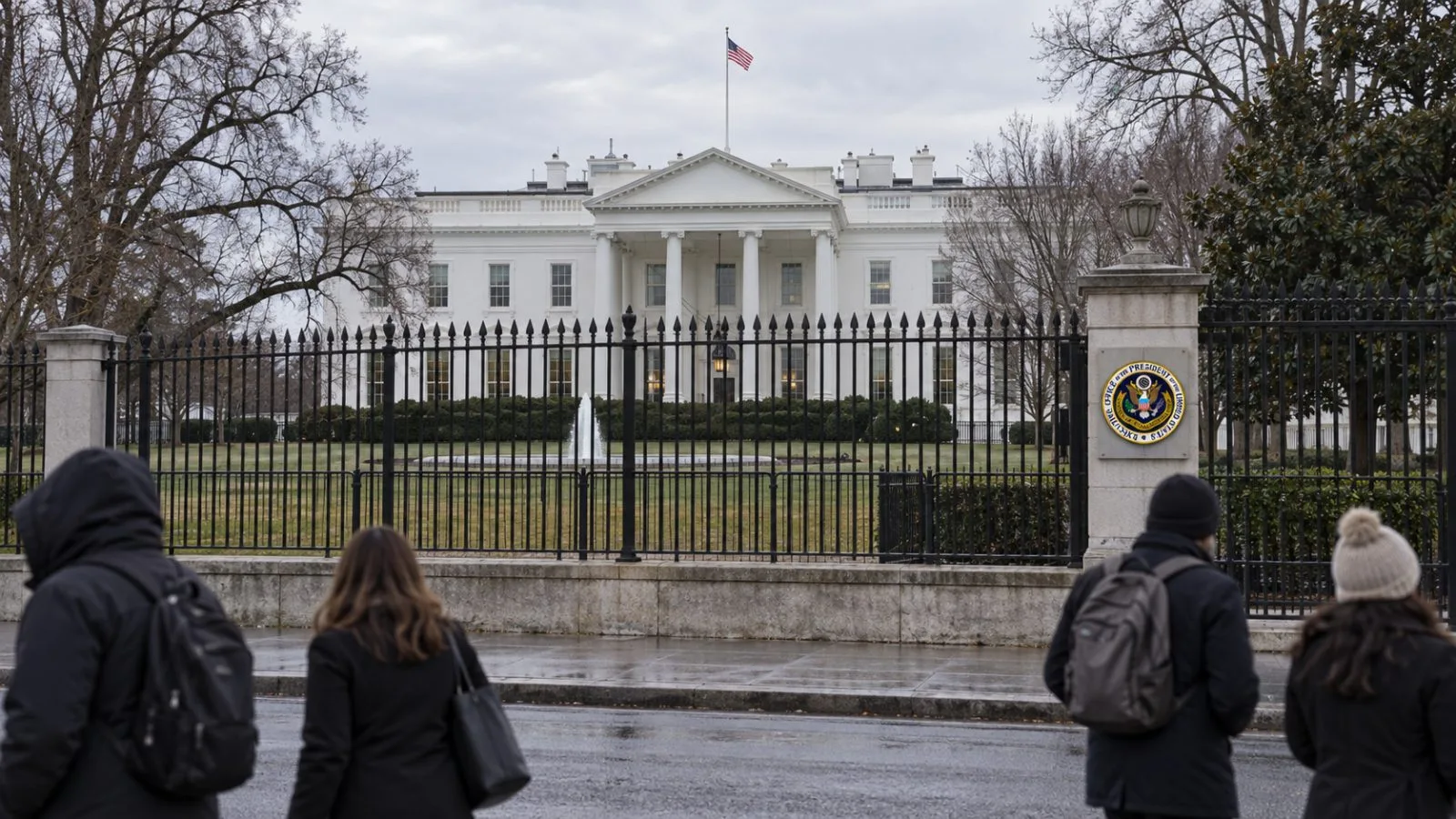
Hungary announced that it had secured an indefinite exemption from U.S. sanctions on Russian oil and gas imports, a claim swiftly disputed by Washington. The White House confirmed that the waiver, granted under Ukraine-related sanctions targeting Russian energy giants Lukoil and Rosneft, will last only one year.
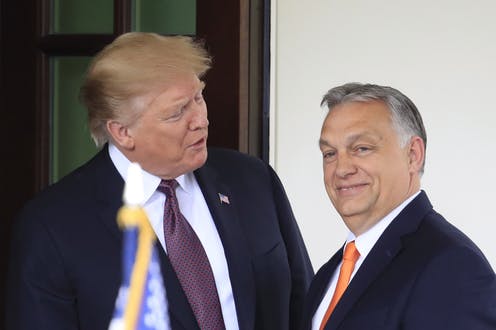
Hungarian Prime Minister Viktor Orban, a long-standing ally of U.S. President Donald Trump, met with Trump in Washington on Friday to lobby for relief. Orban’s government, which heavily depends on Russian energy, faces mounting pressure ahead of national elections next year. Hungarian Foreign Minister Peter Szijjarto declared on Facebook that the U.S. had approved an “indefinite exemption” for Hungary’s oil and gas shipments, ensuring uninterrupted imports through key Russian pipelines.
However, a White House official told Reuters that the exemption is time-limited. The official added that Hungary also agreed to diversify its energy mix by purchasing U.S. liquefied natural gas (LNG) worth approximately $600 million.
Orban insisted that the exemption covers both the TurkStream gas pipeline and the Druzhba oil pipeline, asserting that “no sanctions restrict Hungary’s energy supply routes.” But Washington emphasized the temporary nature of the waiver, signaling continued U.S. pressure on Moscow’s energy sector.
According to International Monetary Fund data, Russia supplied about 74% of Hungary’s natural gas and 86% of its oil in 2024. The IMF warned that an EU-wide ban on Russian gas could slash Hungary’s GDP by over 4%. Orban argued that without this deal, Hungary would face skyrocketing energy costs, job losses, and “unbearable” inflation.
The move underscores Hungary’s delicate balancing act between maintaining strong U.S. ties and preserving its deep energy dependence on Russia amid ongoing geopolitical tensions.