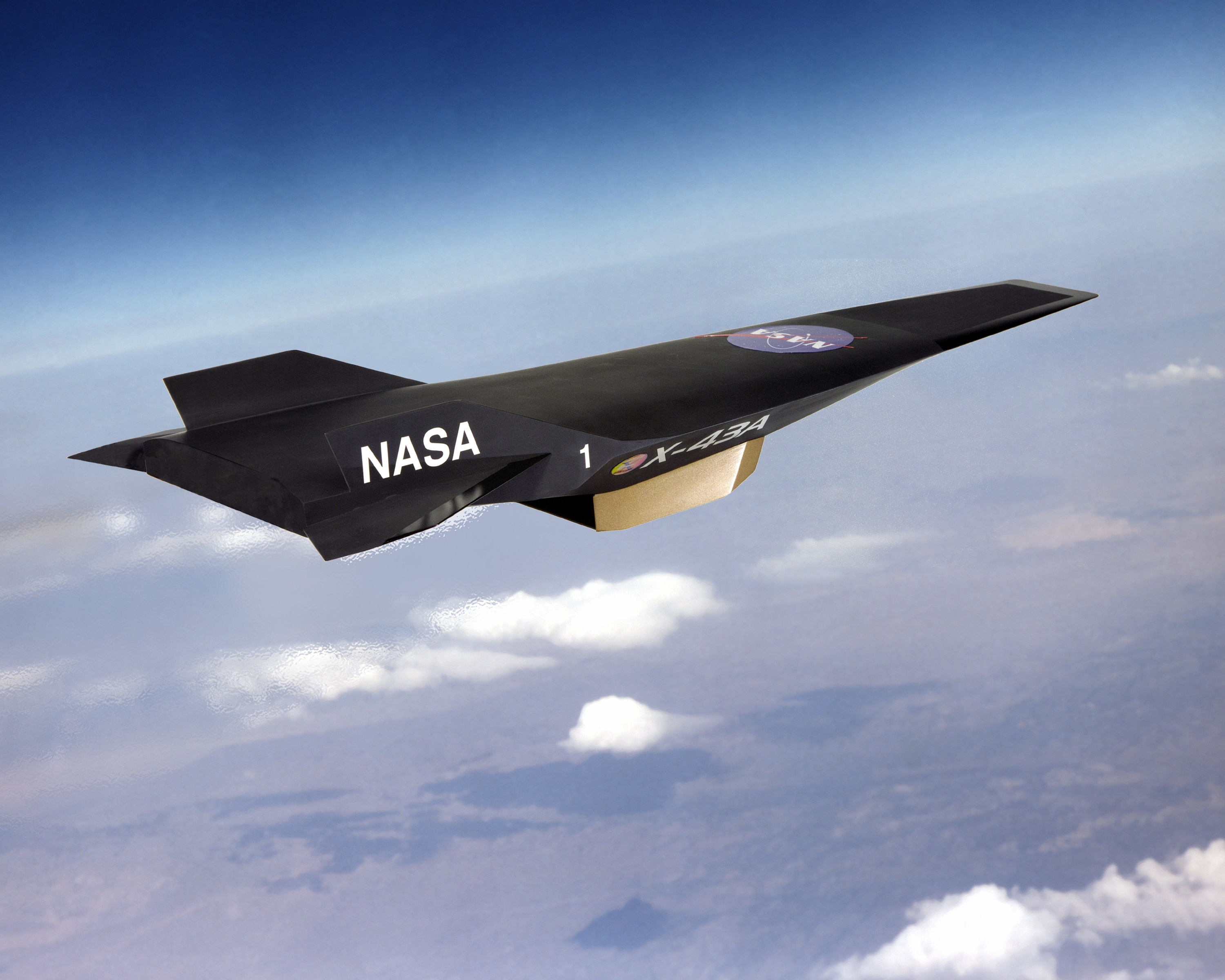
Transportation technology has rapidly advanced over the past few centuries, much faster than it has over the last several thousand years. From cars to airplanes, to space shuttles, humanity is now able to traverse the world in ways that take less time than ever. Now, NASA has announced that air travel is going to be even speedier thanks to the inevitable adoption of hypersonic flight technology.
Hypersonic refers to speeds that can reach up to 3,000 mph (4,800 km/h), Science Alert reports. This would allow passengers to reach London from New York in a little over half an hour.
Right now, there are planes that are able to reach supersonic speeds, which is basically surpassing the speed of sound. Fighter planes have been well-documented to have achieved this feat decades ago, with the resulting sonic boom being the signature milestone for breaking the sound barrier. Hypersonic, on the other hand, is where a vehicle travels at five times the speed of sound.
During the recently concluded Forum on American Aeronautics, the director of Armstrong Flight Research Centre at NASA, David McBride explains how the world is poised to implementing such travel speeds in everyday life. He also stressed the need for faster travel now thanks to an ever-increasing demand for speed in lifestyle, work, and global interactions.
"We do need to go faster,” McBride said. “There is a market for supersonic flight over land in an efficient manner that can fly without being an annoyance to everyone on the ground."
Other members of the aerospace community, including U.S. Air Force officials, also chimed in, noting how the U.S. needs to become a leader in this new frontier, Space reports. Maj. Gen. Curtis M. Bedke, a former U.S. Air Force official said as much when he pointed out that this is one of the bigger developments in the industry for quite some time.
"What's exciting about aerospace today is that we are at a point here where suddenly, things are happening all across the board in areas that just haven't been happening for quite a while," he said.