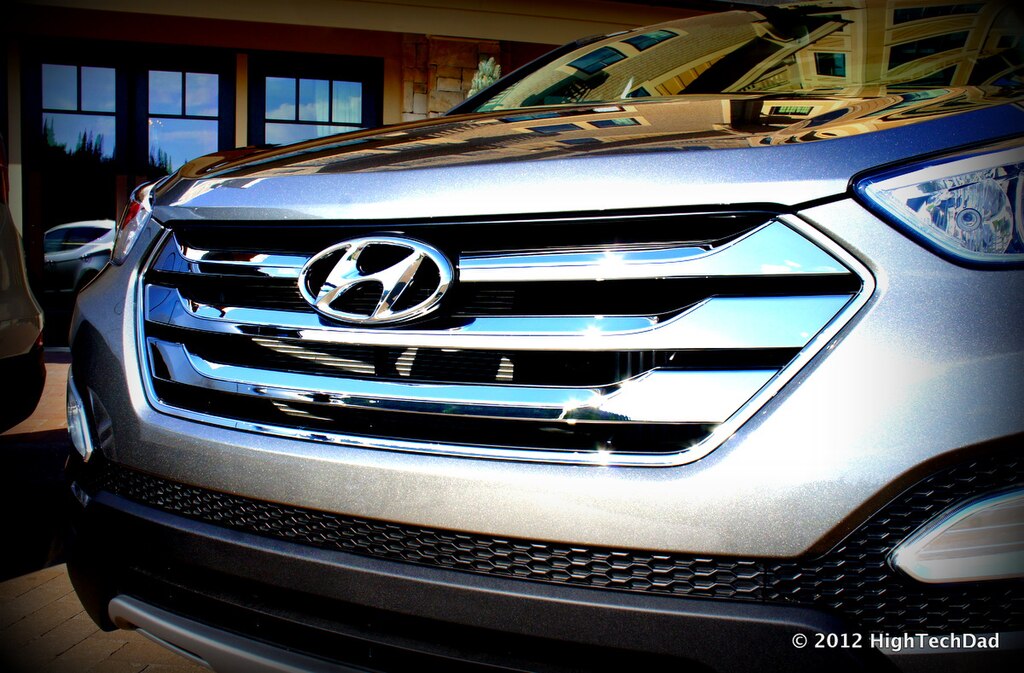
South Korean automaker Hyundai is unlikely to repurchase its former manufacturing plant in Russia as the deadline for a buyback option approaches, according to a source familiar with the company’s internal discussions. The ongoing war in Ukraine and the continued impact of Western sanctions are major factors preventing Hyundai from moving forward, highlighting the broader challenges foreign carmakers face in the Russian market.
Hyundai, along with its affiliate Kia, was once the largest foreign carmaker in Russia. Before the Ukraine war, the two brands together sold more than 400,000 vehicles annually, accounting for nearly a quarter of Russia’s new car market. A significant portion of those vehicles was produced domestically at Hyundai’s St. Petersburg plant, which had an annual production capacity exceeding 200,000 units.
Following Russia’s invasion of Ukraine in early 2022, Hyundai suspended operations at the facility. In 2024, the company sold 100% of the plant to Russia’s AGR Automotive Group for a symbolic price of 140,000 won, or roughly $97. The deal included a two-year buyback option that is set to expire in January, leaving Hyundai with limited time to decide its next move.
A source close to the matter said the company is “not in a situation” to repurchase the asset, pointing directly to the unresolved conflict in Ukraine. Hyundai has stated publicly that a final decision on the buyback option has not yet been made, while AGR Automotive Group has declined to comment. It remains unclear whether Hyundai could negotiate an extension or if missing the deadline would permanently eliminate its repurchase rights.
Hyundai previously disclosed it would take a 287-billion-won financial hit from exiting Russia. Like many Western automakers, the company faced reputational risks and operational barriers due to sanctions that disrupted supply chains and payment systems. As a result, most foreign carmakers exited Russia, often selling assets at symbolic prices in hopes of returning in the future.
Meanwhile, Hyundai’s former plant is now producing vehicles under the Solaris brand, a name once associated with one of Hyundai’s most popular models in Russia. The broader Russian auto market has shifted dramatically, with Chinese automakers dominating sales and accounting for nearly one million vehicles sold in 2024. This transformation underscores how difficult a return could be for Hyundai and other global brands as geopolitical uncertainty persists.