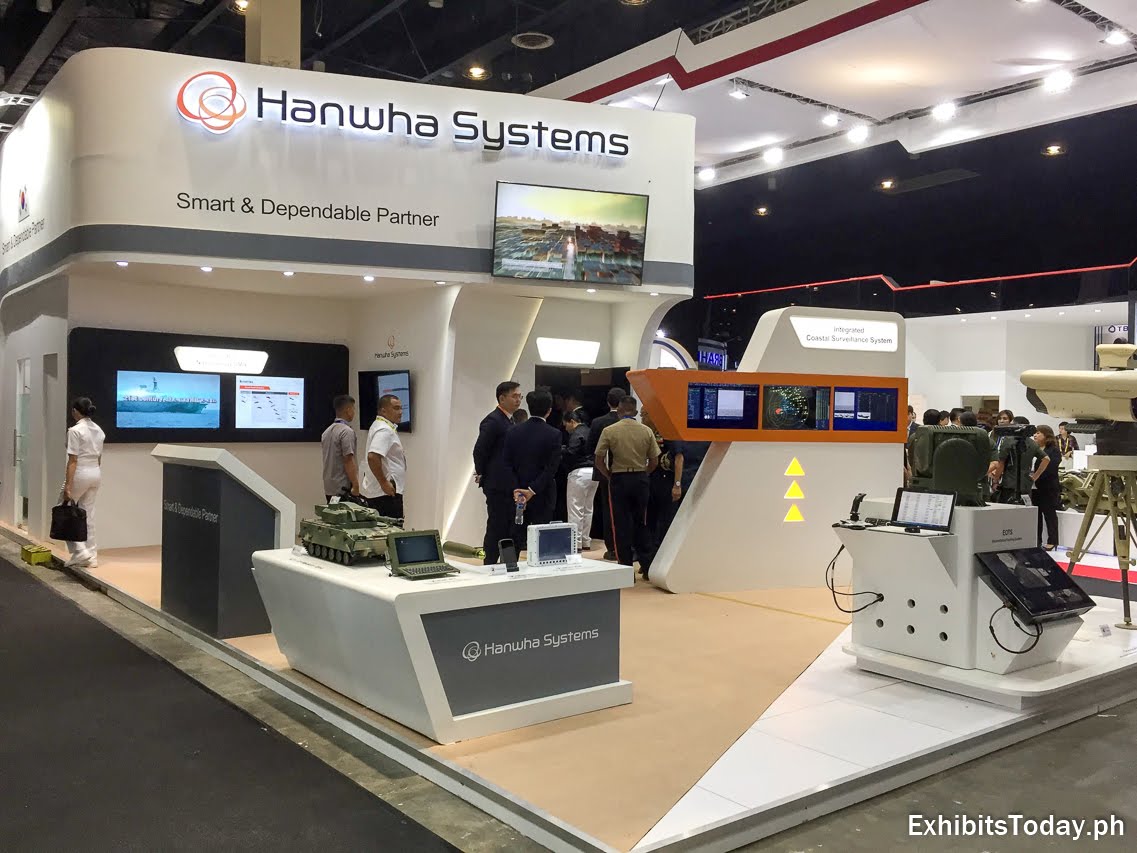
Hanwha Systems has awarded a 45 billion won deal by the Defense Industry Technology Center’s research and development project to develop a next-generation space radar that can detect and track space objects with precision.
According to the defense and information technology service unit of Hanwha Group, Hanwha Systems will develop three core technologies for the next five years.
It includes the precise detection and tracking system for space objects and an adaptive optical system that shoots radar to the sky and provides clear images of space regardless of different atmospheric conditions.
Hanwha Systems CEO Kim Youn-Chul vowed that his company, through the R&D program, will do its best to help the military to establish independent space surveillance and patrol system.
With the increasing number of satellites launched by various countries, the space radar will help South Korea address collisions in space and react to space debris falling to Earth.



Nordson Stock Rises as Q3 Earnings Beat Estimates, Outlook Raised
Moody’s Upgrades Vodafone Hybrid Debt Ratings to Baa3
AstraZeneca Halts Phase III Volrustomig Lung Cancer Trial After Efficacy Setback
OpenAI Tightens AI Safety Monitoring After Security Incidents
Sun Pharma Wins U.S. Appeal in Pfizer Lipitor Antitrust Case
Coty Revenue Beats Estimates as Beauty Demand Holds Firm
BofA Sees Micron EPS Topping $230 by 2030, Backs Major Stock Upside
OpenAI Revenue Rises 18% in Q2 as Losses Widen and Anthropic Surges Ahead
Schott Pharma Stock Rises as Barclays Upgrades Rating on Growth Outlook
CK Hutchison Seeks $1.5 Billion From Panama Over Canal Ports
SEC Sues Former Tricolor Executives Over $1.9 Billion Investor Fraud Scheme
Alibaba Sells Lingxi Games for Over $1.5 Billion Amid AI Push
Unitree Robotics Shares Soar Over 600% in Shanghai Market Debut
Moody’s Affirms NVIDIA Aa1 Rating as AI Data Center Guarantees Reach $105 Billion
Toyota, Honda Shares Rise on Possible U.S.-Canada Auto Tariff Cut
Baidu Shares Sink to One-Year Low as Ad Weakness Overshadows AI Growth
Samsung Eyes $72 Billion Shareholder Return Plan as AI Chip Boom Fuels Profits 


