


 6 simple questions to tell if a ‘finfluencer’ is more flash than cash
  OpenAI Revenue Hits $50 Billion, Below Earlier $70 Billion Estimate
  Disney Expands Infinity Vision to Challenge Imax
  Locked up then locked out: how NZ’s bank rules make life for ex-prisoners even harder
  Robinhood Chain Eyes Priority Gas Auctions for Faster Trades
  Oil Prices Slip as Trump Rules Out Iran Strike Before Midterms
  Why a ‘rip-off’ degree might be worth the money after all – research study
  Wall Street Falls as Fed Minutes Signal Another Rate Hike
  Elon Musk Accuses Indian Telecom Giants of Blocking Starlink Launch
  Deere, CNH and AGCO Stocks Fall as FTC Launches Farm Equipment Probe
  Rising Rates Top Global Growth Risks as Wealthy Investors Favor Asia
  Blockchain.com Seeks CFTC Approval for Prediction Markets and Crypto Derivatives
  Why financial hardship is more likely if you’re disabled or sick
  Mike Rogers Calls for End to US-Canada Tariff War
  Gold Prices Rise as Dollar Weakens, Treasury Yields Fall
  Ripple Chairman Chris Larsen Donates $22.5 Million Ahead of US Midterms


 Add as a preferred source on Google
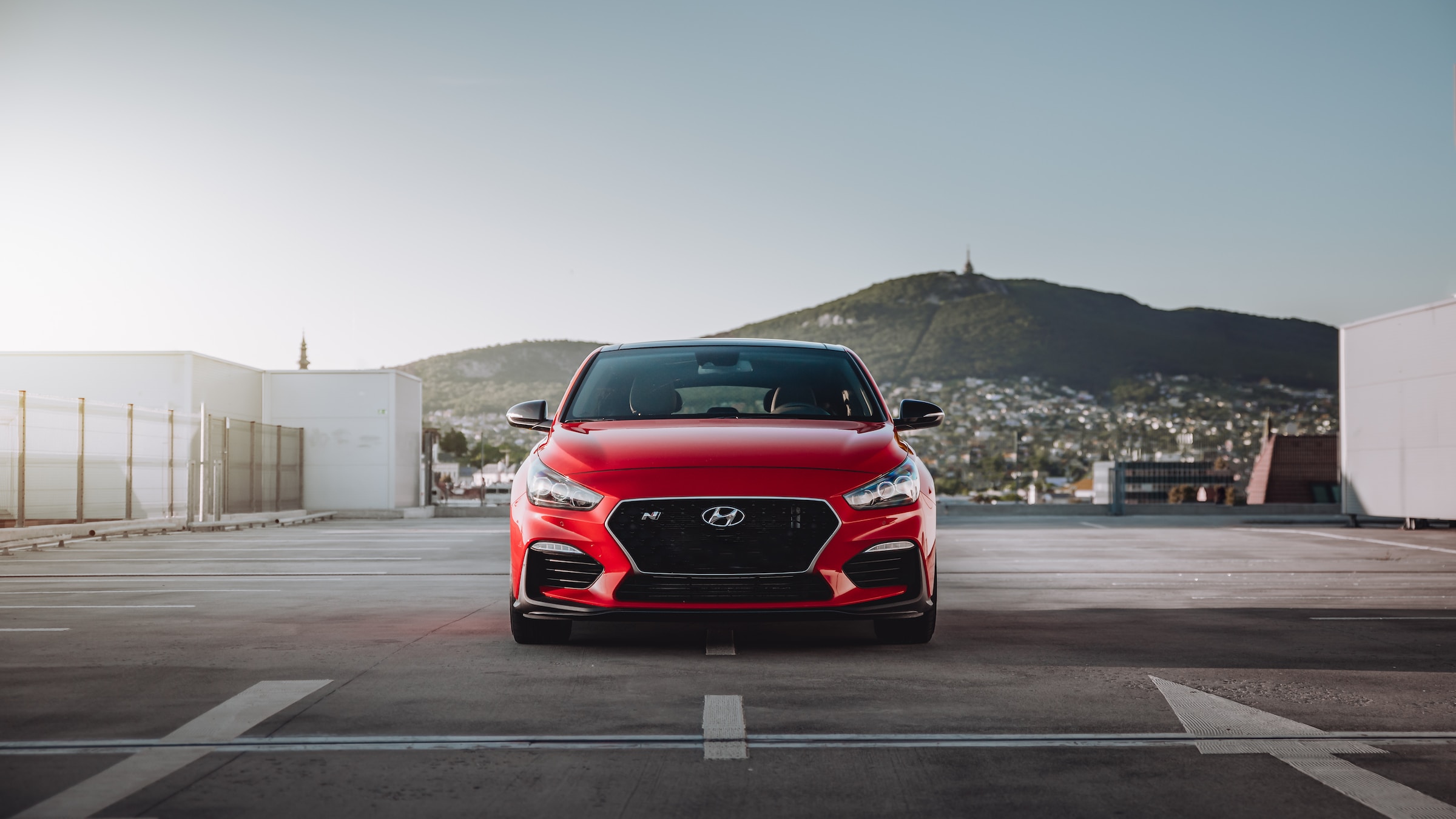
Hyundai Motor solidified its lead in Indonesia's EV market with a 56.5% share, primarily driven by consumers' soaring popularity of its IONIQ 5 model.
Hyundai Motor sold an impressive 3,913 EVs in Indonesia from January to July. This figure surpassed the 28.1 percent market share held by Chinese EV maker Wuling, which sold 1,944 EVs during the same period. Wuling had been the local market leader in the preceding year.
Indonesia, renowned as the world's fourth most populous country with a population of 277 million, offers immense market potential for automakers. Hyundai Motor recognizes this and has strategically positioned the IONIQ 5 as the first EV model to be locally produced in Indonesia, aiming to tap into the growing demand for eco-friendly vehicles.
With ambitions to further expedite the electrification transition in Indonesia, Hyundai Motor plans to capitalize on the country's abundant resources, including nickel, a crucial component for EV batteries. The company plans a joint battery cell plant in Indonesia, built in collaboration with LG Energy Solution. Once operational next year, this facility will enable Hyundai Motor to bolster its presence in the local EV market, backed by a secure supply chain.
Hyundai Motor's advancements in Indonesia extend beyond the EV sector. The automaker has progressively improved its overall market position, rising from 13th place in 2021 to a commendable sixth position in July.
The company has achieved remarkable growth, with sales surging over tenfold from 3,005 vehicles in 2021 to an impressive 31,965 units in 2022, coinciding with the commencement of local production. Notably, Hyundai Motor sold 20,065 vehicles in the first half of this year alone.
Although Hyundai Motor has shown significant progress, there remains a considerable gap between market leader Toyota, which commands a 32.5 percent market share, and Hyundai Motor, with a 3.4 percent share. Nevertheless, Hyundai Motor remains optimistic and is committed to expanding its share in Indonesia, a market long dominated by Japanese automakers with over half a century of presence.
In line with its growth strategy, Hyundai Motor recently signed a memorandum of understanding with Lippo Malls Indonesia, the nation's largest retailer. This agreement aims to accelerate the installation of EV charging stations at 52 malls operated by Lippo Malls Indonesia.
Photo: Martin Katler/Unsplash







