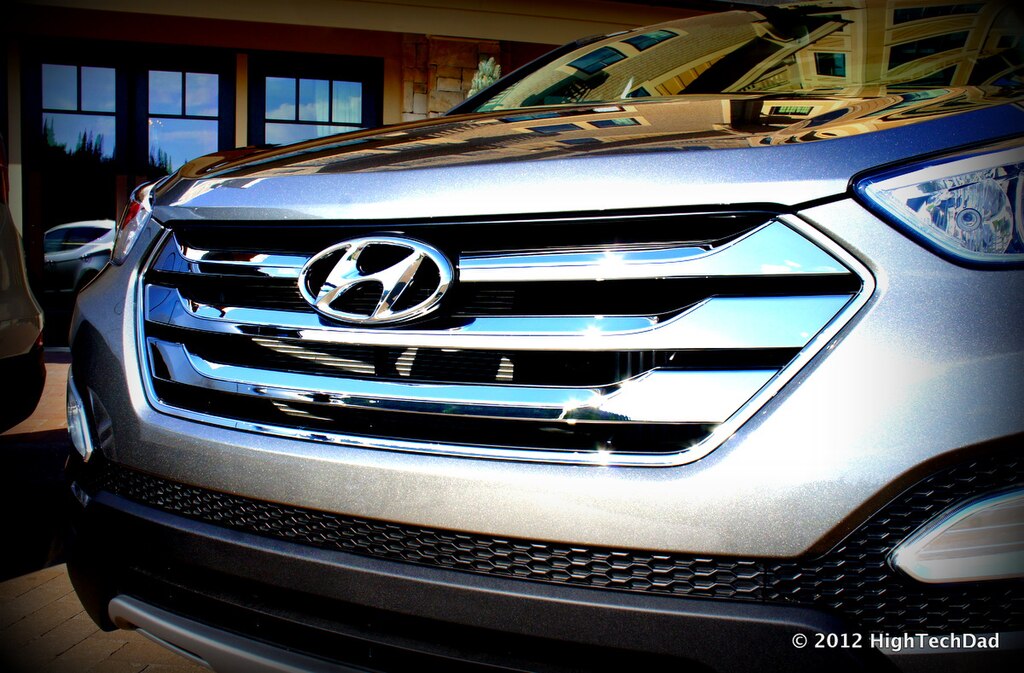
Hyundai Motor (OTC:HYMTF), South Korea’s largest automaker, reported a resilient performance in the first quarter of 2025, overcoming weak electric vehicle (EV) demand and rising trade tensions sparked by new U.S. tariffs under President Trump.
For the January–March period, Hyundai posted a net profit of 3.382 trillion won ($2.37 billion), marking a modest 0.2% increase year-over-year and a strong 37% jump from the previous quarter. The figure edged past FactSet’s consensus estimate of 3.360 trillion won, signaling solid investor confidence.
Revenue surged 9.2% year-on-year to 44.408 trillion won, driven by higher average selling prices and a favorable product mix. Operating profit rose 2.2% to 3.634 trillion won, supported by stable margins and ongoing efficiency efforts.
However, global wholesale vehicle sales dipped slightly by 0.6%, reflecting pressure from cooling EV demand and uncertainties linked to Trump’s renewed tariff policies targeting Asian automakers. Hyundai acknowledged that global trade headwinds and muted EV market momentum will likely persist throughout 2025.
Despite these challenges, the company remains profitable and continues to focus on strategic investments, including electrification and software-defined vehicles. Analysts suggest Hyundai’s consistent profitability, even amid macroeconomic friction, positions the firm as a key player in the evolving automotive landscape.
Hyundai’s earnings update comes at a time when global automakers are navigating a volatile economic environment, with high interest rates, shifting consumer preferences, and geopolitical uncertainty testing industry resilience.
Investors and industry watchers will be closely monitoring Hyundai’s future strategies to maintain momentum in the face of regulatory and market pressure. As the company adapts to fluctuating global demand and protectionist trade policies, its ability to sustain margins and innovate will remain crucial.