


 FBI Denies Report of Kash Patel’s Russia Visit
  Elon Musk Donates $366 Million to 2026 US Midterms
  Zelenskiy Says Trump’s Support for Russia Is ‘Painful’
  Most Americans Oppose Election Betting on Prediction Markets, Poll Finds
  Trump Announces Massive Oil and Mineral Exploration Plans in Greenland
  Trump Confirms US Intelligence Sharing With Ukraine Amid Russian Strikes
  Italy’s Meloni Warns US-Russia Diesel Deal Could Weaken Ukraine Sanctions
  Container Ship Sinks in Strait of Hormuz as Iran Attacks Escalate
  Trump Denies China, Russia Are Helping Iran in War
  Kim Jong Un Showcases ICBM Ahead of Possible Trump Meeting
  Flavio Bolsonaro Backs Brazil’s 40-Hour Workweek Reform Ahead of Runoff
  Trump Warns Houthis Over Attacks, Considers Erdogan Intervention
  Trump Denies Russia and China Are Helping Iran in U.S. Conflict
  US Condemns China Sanctions on Taiwan Allies Belize and Paraguay
  China Resumes US Soybean Purchases After Trump-Xi Summit
  IMF Warns US Debt Crisis Needs Fiscal Action, Urges China to Boost Consumption
  US Recalls Nicaragua Envoy After Ambassador Rejection


 Add as a preferred source on Google
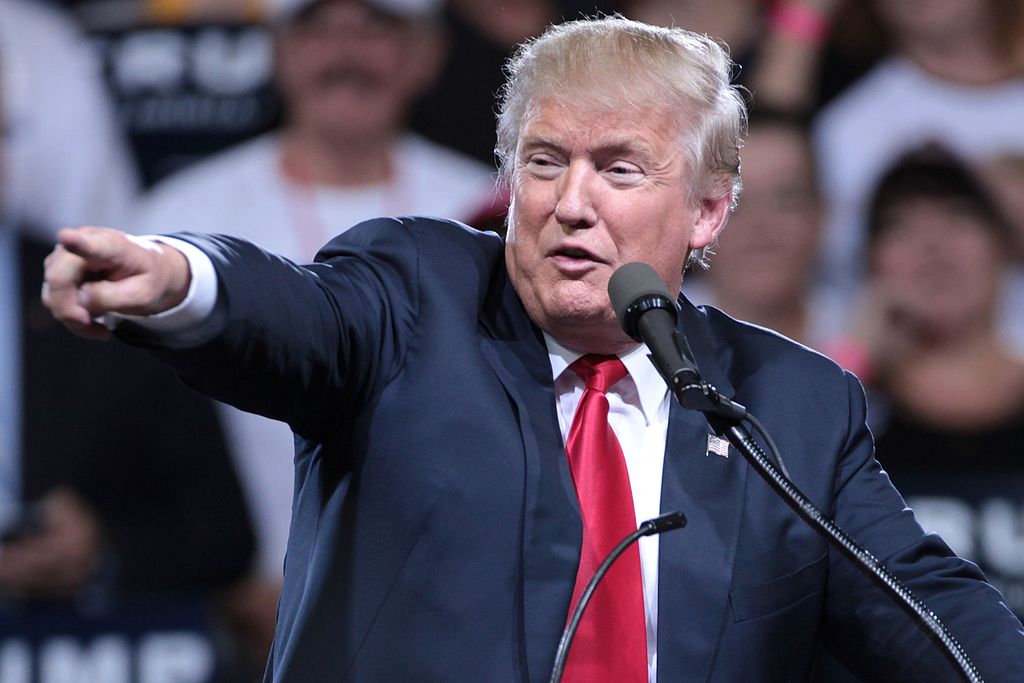
As Donald Trump prepares to return to office in 2025, a wave of anxiety is sweeping through the academic and professional circles of misinformation researchers. Concerns over potential funding cuts, job security, and retribution have left some researchers openly contemplating leaving the country.
An anonymous professor specializing in misinformation studies recently shared their apprehension, stating, “I’m pretty f***ing scared. If this stuff happens, I will be on a plane [out of America].” This candid admission underscores the growing uncertainty in a field that has faced scrutiny and controversy in recent years.
Fear of Funding Cuts and Retaliation
Misinformation researchers are particularly concerned about the impact Trump’s policies might have on the future of their work. During his previous term, Trump frequently dismissed misinformation studies as biased efforts to control narratives, labeling them part of a broader campaign to silence conservative voices.
With Trump’s return, fears are mounting that funding for academic institutions and independent research organizations tackling misinformation may be significantly reduced or altogether eliminated. According to experts, such cuts could jeopardize critical initiatives aimed at combating disinformation, particularly on social media platforms.
Moreover, researchers worry that the administration may target individuals or groups perceived as critical of Trump’s policies. Several professionals in the field have expressed concerns about heightened scrutiny of their work and the potential for political retaliation.
One researcher, who wished to remain anonymous, shared their apprehension about being blacklisted. “It feels like we’re walking on eggshells. Every study we publish could become a weapon against us,” they said.
Divided Public Reactions
News of researchers’ fears has sparked a heated debate online, with netizens weighing in on the controversy:
- @FreeSpeechDefender: “Good riddance. These researchers are just tools for censorship anyway.”
- @DataTruthWarrior: “Trump’s attacks on research are a threat to democracy. We need to protect these experts!”
- @NoMoreBias: “Maybe this will force them to be more neutral instead of pushing one-sided narratives.”
- @GlobalThinker: “Cutting misinformation research funding is short-sighted. Disinformation affects everyone, regardless of political stance.”
- @ScienceIsKey: “How are we supposed to tackle fake news without researchers? This is a huge mistake.”
- @CriticalMind999: “They’re scared for a reason. Retaliation is not how you build trust in leadership.”
Broader Implications for Academia and Society
The potential scaling back of misinformation research could have far-reaching consequences. Analysts warn that disinformation campaigns, both domestic and foreign, could become harder to identify and combat without adequate funding and support for experts in the field.
Academics also fear the chilling effect on intellectual freedom. “If researchers are scared to speak out or investigate certain topics, it undermines the entire foundation of academia,” said Dr. Karen Phillips, a political science professor.
At the same time, critics argue that misinformation researchers must address accusations of bias to regain public trust. Calls for greater transparency in research funding and methodology have gained traction as the field faces intense scrutiny.







