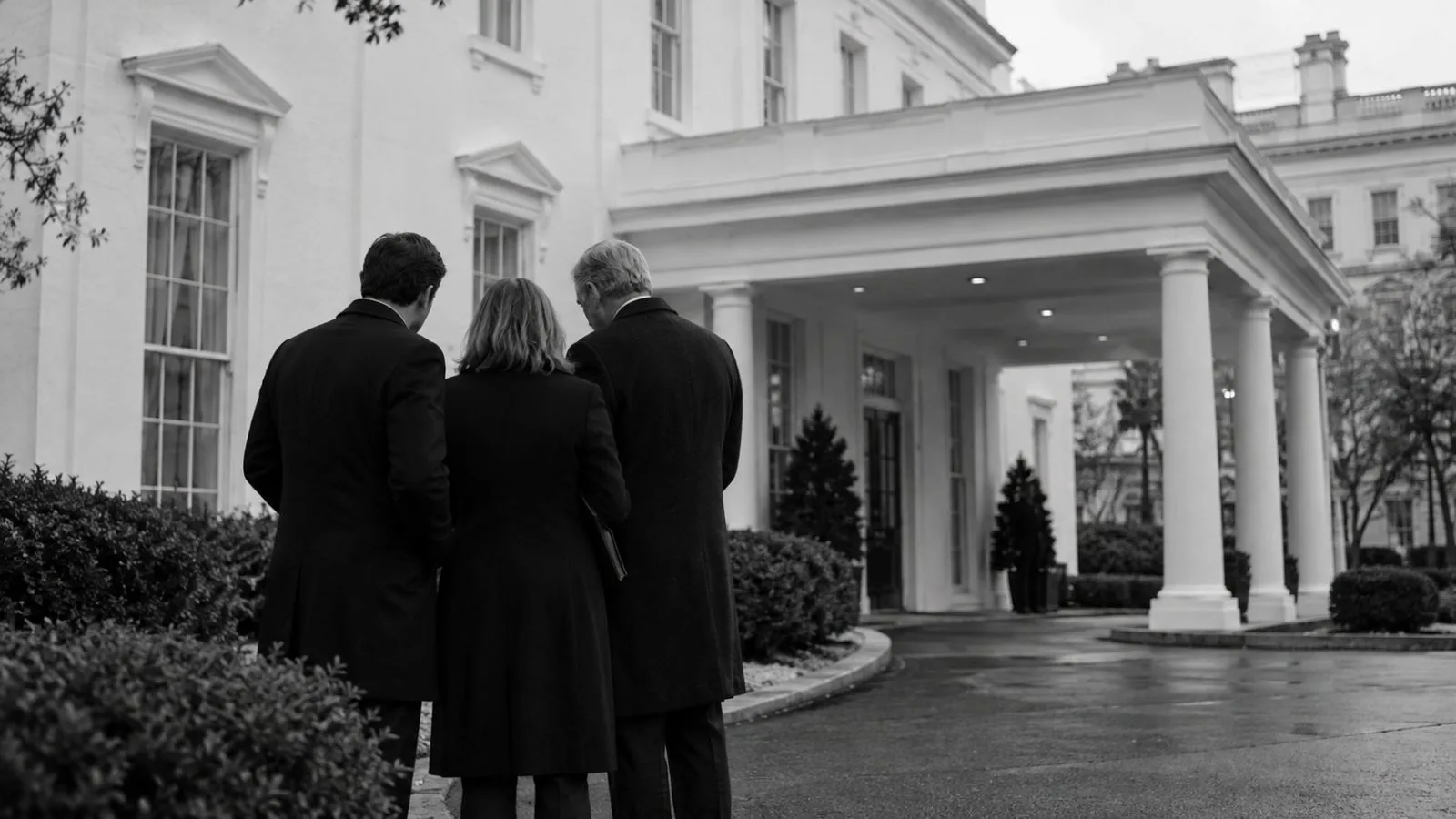
U.S. President Donald Trump met with executives from major American and international oil companies at the White House on Friday to promote a bold plan aimed at reviving Venezuela’s oil industry through up to $100 billion in private investment. The meeting followed a dramatic U.S. military operation earlier this month that resulted in the capture of Venezuelan leader Nicolas Maduro, signaling a major shift in U.S. policy toward the oil-rich South American nation.
Speaking alongside leaders from Exxon Mobil, Chevron, ConocoPhillips and other energy firms, Trump emphasized that oil development is central to his administration’s strategy for Venezuela. He said American companies would be given opportunities to rebuild the country’s deteriorating energy infrastructure and dramatically expand oil production to levels “never seen before.” Trump added that the U.S. government would play a key role in deciding which companies are allowed to invest.
As part of ongoing negotiations, Trump highlighted an agreement with Venezuela’s interim leadership to supply 50 million barrels of crude oil to the United States. He said deliveries are expected to continue indefinitely, helping lower U.S. energy prices, especially for refineries designed to process Venezuelan crude. U.S. forces have also continued seizing Venezuelan oil tankers to enforce an embargo, with the fifth seizure announced Friday.
Despite the administration’s assurances, oil companies remain cautious. Exxon CEO Darren Woods described Venezuela as “uninvestable” under current conditions, citing past asset seizures and political instability. However, he expressed confidence that changes could occur under close cooperation between Washington and Venezuela’s new leadership. Chevron, the only major U.S. oil company still operating in Venezuela, reaffirmed its commitment to the country.
Decades of underinvestment have reduced Venezuela’s oil output to about 1% of global supply, despite holding the world’s largest proven reserves. Trump said the U.S. would guarantee both physical and financial security for investors, and Energy Secretary Chris Wright suggested the Export-Import Bank could help finance projects to reduce risk.
Trump concluded by stressing that talks are focused on securing firm investment commitments, framing the plan as mutually beneficial for Venezuela, U.S. companies and American economic interests.