


 US Senate Midterms 2026: Key Races That Could Flip Control
  Trump Denies Russia and China Are Helping Iran in U.S. Conflict
  Kim Jong Un Showcases ICBM Ahead of Possible Trump Meeting
  Zelenskiy Seeks New US Talks to Revive Ukraine-Russia Peace Negotiations
  Trump Confirms US Intelligence Sharing With Ukraine Amid Russian Strikes
  Elon Musk Donates $366 Million to 2026 US Midterms
  Most Americans Oppose Election Betting on Prediction Markets, Poll Finds
  Zelenskiy Says Ukraine Received No Warning Before Russian Missile Attack
  Italy’s Meloni Warns US-Russia Diesel Deal Could Weaken Ukraine Sanctions
  US Supreme Court Denies Release of Anti-ICE Activist Kyle Wagner
  Container Ship Sinks in Strait of Hormuz as Iran Attacks Escalate
  Gaza Olive Harvest Collapses as War Destroys Farmland
  FBI Denies Report of Kash Patel’s Russia Visit
  Trump Warns Houthis Over Attacks, Considers Erdogan Intervention
  US Justice Department Drops Prosecution of Ex-CIA Analyst Sue Mi Terry
  MI5 Warns of Rising Iran, Russia Threats and AI Bioweapon Risks
  Netanyahu Rejects Preemptive Iran Strike Ahead of Israel Election


 Add as a preferred source on Google
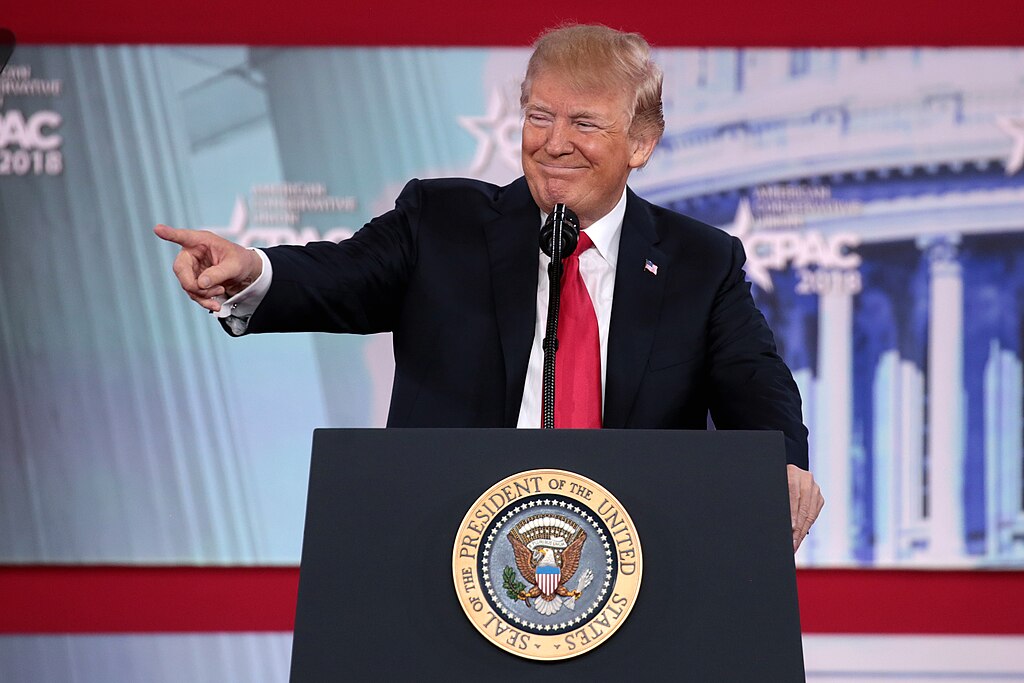
As President Donald Trump embarks on his second term in 2025, his administration is implementing stringent border policies aimed at curbing illegal immigration and enhancing national security. These measures have sparked significant debate domestically and internationally.
Reinstating and Expanding Previous Policies
Central to Trump's agenda is the revival of the "Remain in Mexico" policy, officially known as the Migrant Protection Protocols. This policy requires asylum seekers to stay in Mexico while their U.S. immigration cases are processed, a practice that has faced criticism for exposing migrants to dangerous conditions. Additionally, the administration plans to declare a national emergency to facilitate mass deportations, utilizing military resources to expedite the removal of undocumented immigrants.
Economic Measures to Deter Migration
In a bid to deter illegal immigration and drug trafficking, Trump has proposed imposing a 25% tariff on all imports from Mexico, Canada, and China. This aggressive trade policy aims to pressure neighboring countries into stricter enforcement of migration controls. However, such tariffs have raised concerns about potential trade wars and economic repercussions for American consumers and businesses.
International Responses and Clarifications
Following discussions with Mexican President Claudia Sheinbaum, Trump announced that Mexico had agreed to halt migration through its territory into the U.S., effectively closing the southern border. However, President Sheinbaum later clarified that Mexico's strategy focuses on addressing migration with respect for human rights and aims to build bridges between governments and peoples, indicating a more nuanced approach than Trump's portrayal.
Public Reaction
The administration's border policies have elicited diverse reactions on social media:
-
@BorderSecurityFirst: "Finally, a president taking decisive action to protect our borders. Long overdue!"
-
@HumanRightsAdvocate: "Mass deportations and 'Remain in Mexico' policies are inhumane and violate international law."
-
@TradeExpert2025: "Imposing tariffs could backfire, leading to higher prices for American consumers and strained relations with key partners."
-
@ImmigrantVoices: "These policies ignore the root causes of migration and punish vulnerable populations seeking safety."
-
@NationalSecurityNow: "Strengthening border security is essential for national safety. Support the administration's efforts."
-
@EconomicAnalyst: "Trade wars are not the answer. We need collaborative solutions to complex migration issues."
Looking Ahead
As the Trump administration advances its border security agenda, the nation remains divided over the balance between enforcing immigration laws and upholding humanitarian principles. The effectiveness and ethical implications of these policies will continue to be scrutinized by policymakers, international partners, and the public.







