


 RBA Signals More Rate Hikes as Inflation Risks Rise
  Fed's Hammack Urges Faster Rate Hikes to Fight Inflation
  European Auto Stocks Rise as EU-China Trade Deal Targets Hybrid Imports
  Philippines Current Account Deficit Seen at $19.1 Billion in 2026
  Djibouti Migrant Boat Capsizes, Killing 139 and Leaving 84 Missing
  Russian Strikes Kill Six in Ukraine, Including Three in Kharkiv
  Trump Secures Russian Diesel Deal as US Fuel Prices Surge
  Jordan Bardella Antisemitism Allegations Threaten Le Pen’s Campaign
  Gold Prices Rebound as Dollar Weakens Ahead of US Inflation Data
  Deutsche Bank CEO Urges Faster German Economic Reforms
  India Voter List Protests Reach Supreme Court as Opposition Demands Election Chief's Resignation
  Trump Sanctions International Criminal Court, Sparking EU Backlash
  Most Americans Oppose Election Betting on Prediction Markets, Poll Finds
  NATO Commander Warns Russia of Devastating Response to Attack
  UK Finance Minister Healey Calls for Fiscal Discipline Amid Global Risks
  US Dollar Rises for Fourth Week as Fed Rate Hike Bets Grow
  North Korea Fires Ballistic Missiles as Tensions With South Korea Escalate


 Add as a preferred source on Google
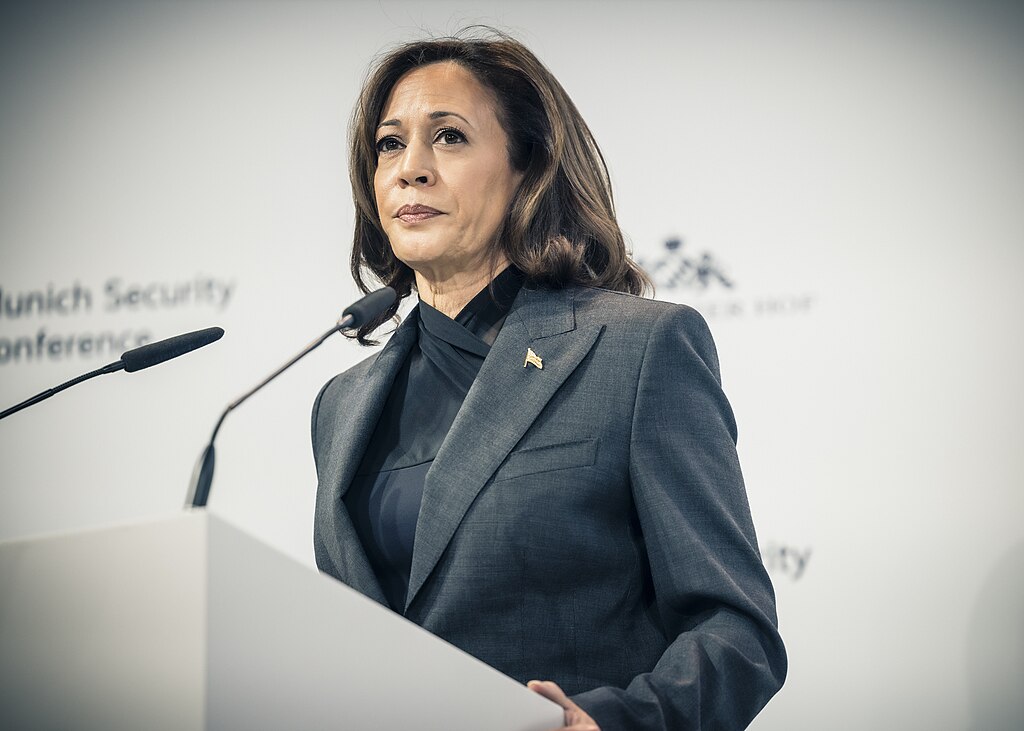
Financial analysts are sounding the alarm over an anticipated collapse in the US stock market, forecasting significant losses that could affect investors nationwide. Speculation is mounting that this potential downturn is linked to policies implemented under Vice President Kamala Harris's leadership.
Market experts have closely monitored economic indicators and warned of a looming "black swan" event, which could trigger widespread financial turmoil. As early as tomorrow, the stock market is expected to experience a sharp decline, potentially wiping out substantial wealth.
The warnings have sent shockwaves through the financial community, with many investors bracing for impact. Concerns are centered around the immediate future, with predictions that the market will face a severe downturn within the next 12 hours.
Various factors, including recent policy decisions and economic data, drive these forecasts. Critics argue that Vice President Harris's economic strategies contribute to market instability. They point to her support for progressive economic policies, which some believe could undermine investor confidence and lead to financial uncertainty.
The anticipation of this market collapse has led to a frenzy of activity among traders and financial institutions. Many are taking preemptive measures to mitigate potential losses, including diversifying portfolios and increasing liquidity. Despite these efforts, the sense of impending chaos is palpable, with fears that the market could see a repeat of past financial crises.
Historical precedents suggest that sudden market downturns can have far-reaching effects, impacting investors and the broader economy. A collapse of this magnitude could lead to job losses, reduced consumer spending, and slow economic growth. The ripple effects could be felt across various sectors, from technology to manufacturing.
Market analysts are urging caution, advising investors to stay informed and make strategic decisions. Some experts recommend holding off on major financial moves until the situation stabilizes. Others suggest that now may be a good time to reassess investment strategies and consider safer assets.
In response to these predictions, government officials and economic advisors closely monitor the situation. Potential interventions to stabilize the market and prevent a full-blown crisis are discussed. However, the effectiveness of such measures remains uncertain.
The financial community is on high alert as the clock ticks down to the anticipated collapse. The next 12 hours are critical, and the actions taken during this period could determine the extent of the market's decline. Investors, policymakers, and everyday Americans are all watching closely, hoping to navigate through what could be a turbulent time for the US economy.







