


 Trump Calls for Zelenskyy Replacement Amid Russian Diesel Deal
  Elon Musk Donates $366 Million to 2026 US Midterms
  Panama Declares Emergency After 7.7 Earthquake Triggers 200 Aftershocks
  US Judge Blocks Trump Administration’s Taxpayer-Funded Political Ads
  Brazil Election: Lula and Bolsonaro Rally Ahead of October 25 Runoff
  Most Americans Oppose Election Betting on Prediction Markets, Poll Finds
  European Auto Stocks Rise as EU-China Trade Deal Targets Hybrid Imports
  Jordan Bardella Antisemitism Allegations Threaten Le Pen’s Campaign
  UK Finance Minister Healey Calls for Fiscal Discipline Amid Global Risks
  Trump Announces Russia-Ukraine Energy Ceasefire Amid U.S. Pressure on Kyiv
  North Korea Fires Ballistic Missiles as Tensions With South Korea Escalate
  India Voter List Protests Reach Supreme Court as Opposition Demands Election Chief's Resignation
  US Authorities Raid Ilhan Omar’s Home Amid Immigration Fraud Probe
  Kim Jong Un Showcases ICBM Ahead of Possible Trump Meeting
  Mahmoud Abbas Postpones Palestinian Elections to September 2027
  Yandex Data Center Hit by Drone Strike as Russia-Ukraine Cyber Infrastructure Attacks Escalate


 Add as a preferred source on Google
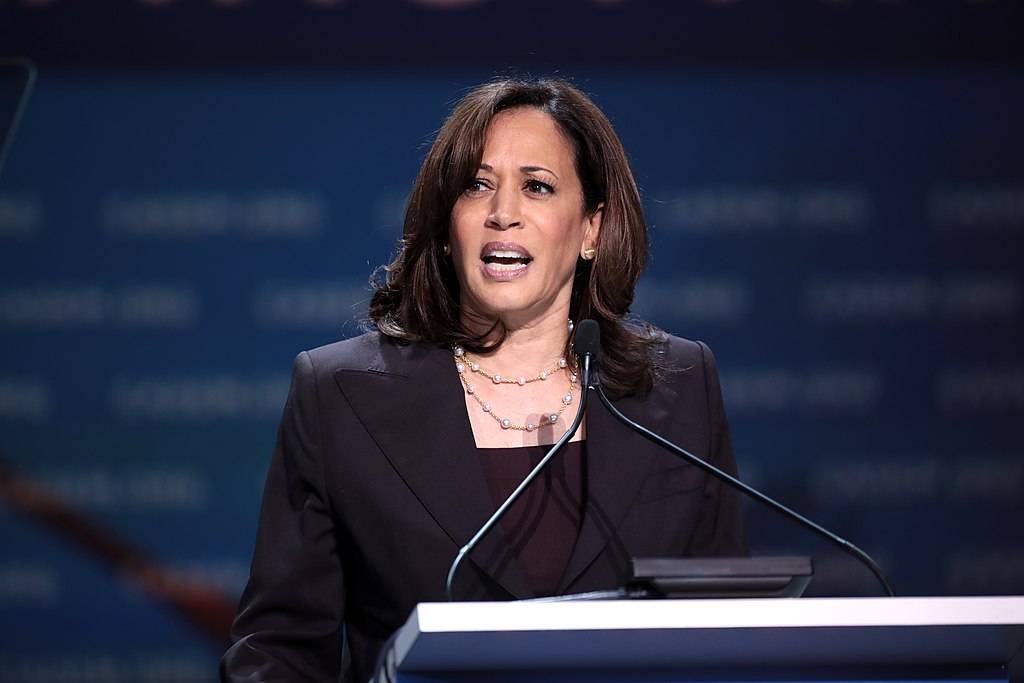
The Harris campaign has been criticized for using an outdated screen grab to suggest that former President Donald Trump's recent rally suffered from low attendance. The image, which depicts numerous empty seats, has sparked controversy and accusations of misinformation.
The screen grab shows a largely empty venue, starkly contrasting the packed house that characterized Trump's rally. The Harris campaign circulated the image on social media, drawing attention to what they claimed was a lackluster turnout for the former president. However, attendees and on-the-ground reports tell a different story.
Trump Campaign's Response
The Trump campaign quickly responded to the Harris team's claims, accusing them of deliberate deception. They clarified that the empty seats in the image were reserved for the press and intentionally left vacant to accommodate media personnel covering the event. Photos and videos from other angles of the rally reveal a substantial crowd, contradicting the Harris campaign's portrayal.
The Misinformation Battle
This incident highlights the increasingly contentious battle over media and messaging in the run-up to the next election. Both campaigns are leveraging social media to shape narratives and influence public perception. The Harris campaign's use of an outdated image is seen by many as an attempt to undermine Trump's popularity and question his ability to draw large crowds.
Political analysts note that such tactics are not new but have become more sophisticated and widespread with the advent of digital media. The rapid dissemination of information, whether accurate or misleading, can significantly impact voter attitudes and campaign dynamics.
The Reality on the Ground
On the day of the rally, Trump's supporters filled the venue, with only a few seats reserved for the press remaining empty. Eyewitness accounts and live coverage showed a vibrant and enthusiastic crowd, cheering and waving signs supporting the former president. The rally in Phoenix, AZ, was part of Trump's continued efforts to galvanize his base and maintain his influence within the Republican Party.
Impact on the Harris Campaign
The backlash from this incident poses a challenge for the Harris campaign. Critics argue that such tactics could backfire, eroding trust and credibility. Misleading images undermine the campaign's message and open it to scrutiny and criticism.
Moving Forward
As the election season heats up, both campaigns are expected to continue using every tool to sway voters. The Harris campaign's strategy may need to adapt to avoid similar pitfalls in the future. Ensuring the accuracy and integrity of their communications will be crucial in maintaining voter confidence and support.







