


 US Resumes Immigrant Visa Processing for Hungary, Poland
  Iran Plans New Gulf Restricted Zone as Hormuz Tensions Push Oil Higher
  Trump Administration Moves to Strip ABA of Law School Accreditor Status
  Texas Republicans Turn Against AI Data Centers as Election Backlash Grows
  US Bans Canadian Alcohol, Motorcycles as Trade War Escalates
  Japan, U.S. Stay Aligned on Yen as Currency Surges
  Google Changes EU Spam Policy Amid Antitrust Scrutiny
  Trump Imposes New Tariffs on Drone Imports Over US Security Concerns
  Gold Prices Rise as Yen Rally Weakens Dollar
  UK House Prices Fall for First Time Since 2023
  US Tightens Cuba Sanctions, Targets Officials and State Entities
  Iran Allows Iraqi Oil Tankers Through Strait of Hormuz
  Trump Administration Removes Confederate Memorial Criticism From Arlington Website
  China Exports Surge 25% in August as Trade Surplus Hits $119 Billion
  U.S. Issues Cuba Health Alert as Illnesses Rise
  Iraq Seeks 6 Million Bpd OPEC+ Oil Quota
  China Boosts Gold Reserves by 650,000 Ounces as Prices Rally


 Add as a preferred source on Google
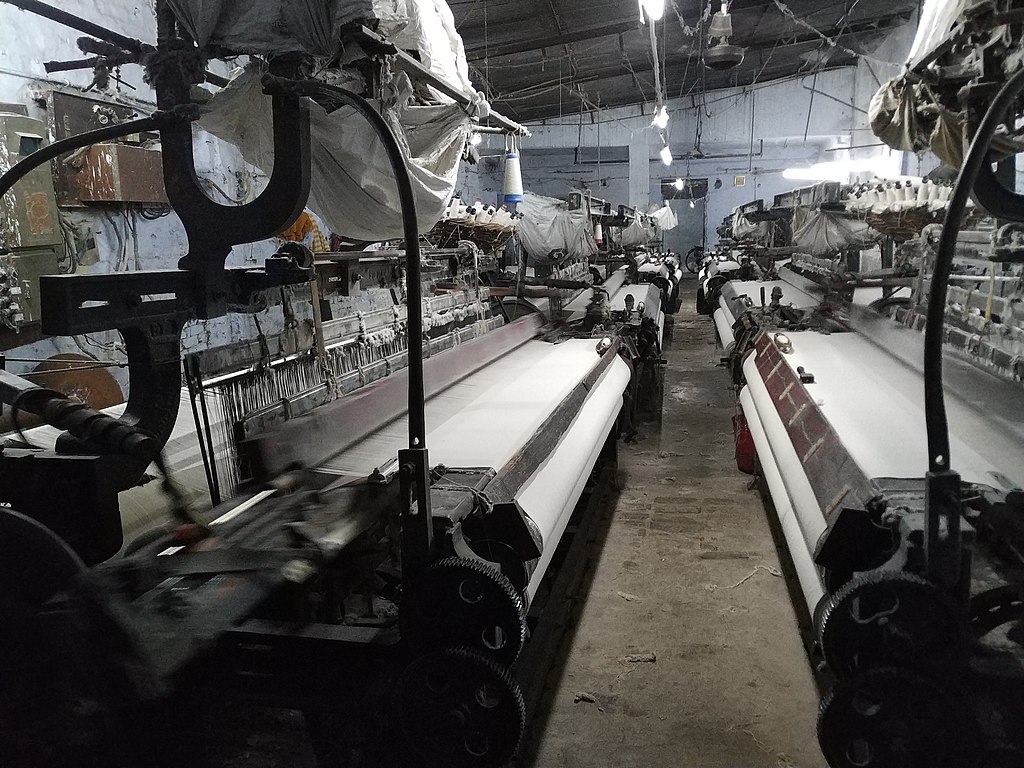
India is ending its $23 billion Production-Linked Incentive (PLI) scheme, aimed at boosting domestic manufacturing and reducing reliance on China, just four years after its launch. According to government sources, the initiative will not be extended beyond its initial 14 sectors, and deadlines will remain unchanged, despite company requests.
The PLI program, which attracted 750 firms—including Foxconn and Reliance Industries—offered cash incentives for meeting production goals. However, by October 2024, only $151.9 billion worth of goods had been produced—just 37% of the target—with under 8% of funds disbursed. Although mobile and pharmaceutical sectors saw growth, most others, including steel, solar, and textiles, underperformed.
The government touted $163 billion in output by November 2024 but did not confirm the program's future. Critics blame red tape and slow subsidy payouts for discouraging manufacturers. Notably, eight of twelve solar firms, including those linked to Adani, JSW, and Reliance, are unlikely to meet targets.
India’s manufacturing share in GDP has fallen from 15.4% to 14.3% since the scheme began, missing the goal of 25% by 2025. Analysts say the plan was a vital chance to position India as a global manufacturing hub during China’s COVID-era slowdown and amid U.S.-China tensions.
Some officials say the end of PLI doesn’t mean India is abandoning its manufacturing goals. Future alternatives may include reimbursing plant setup costs to offer faster returns. Experts, however, warn that missing this opportunity could hinder India's long-term industrial ambitions, especially as global trade competition intensifies.







