Indonesia is set to introduce stringent trade regulations on social media transactions. During a recent parliamentary hearing, Deputy Trade Minister Jerry Sambuaga underscored the surge of "live" sales on platforms like TikTok, emphasizing a need to separate social media from direct sales.
The move comes in response to concerns that e-commerce sellers utilizing predatory pricing on social media platforms threaten offline markets in Southeast Asia's largest economy. Current trade regulations do not explicitly address direct transactions on social media, leading the government to take action.
During his statement to parliament, Sambuaga highlighted the example of sellers using "live" features on the popular short video platform TikTok to promote and sell goods. He emphasized that social media and social commerce should be kept separate. According to Sambuaga, revisions to the trade regulations that are currently underway will firmly and explicitly ban this.
In contrast, TikTok expressed concerns that separating social media and e-commerce into distinct platforms could hinder innovation. The company hopes the government will provide a level playing field for the industry, as separating the two could also disadvantage Indonesian merchants and consumers, according to TikTok Indonesia spokesperson Anggini Setiawan.
TikTok, with 125 million active users in Indonesia and 325 million active Southeast Asian users each month, has approximately 2 million sellers in Indonesia. However, the company has no plans to introduce cross-border operations in Indonesia amid concerns that its e-commerce push would flood the country with Chinese products. Meta's Facebook, which also features a marketplace, has yet to comment.
With a population exceeding 270 million, Indonesia recorded almost $52 billion worth of e-commerce transactions last year. Approximately 5% of these transactions occurred on TikTok, mainly through live-streaming, as noted in data from consultancy firm Momentum Works.
The Indonesian e-commerce sector is projected to reach $95 billion by 2025, according to a 2022 industry report conducted by Google, Temasek Holdings, and Bain & Company.
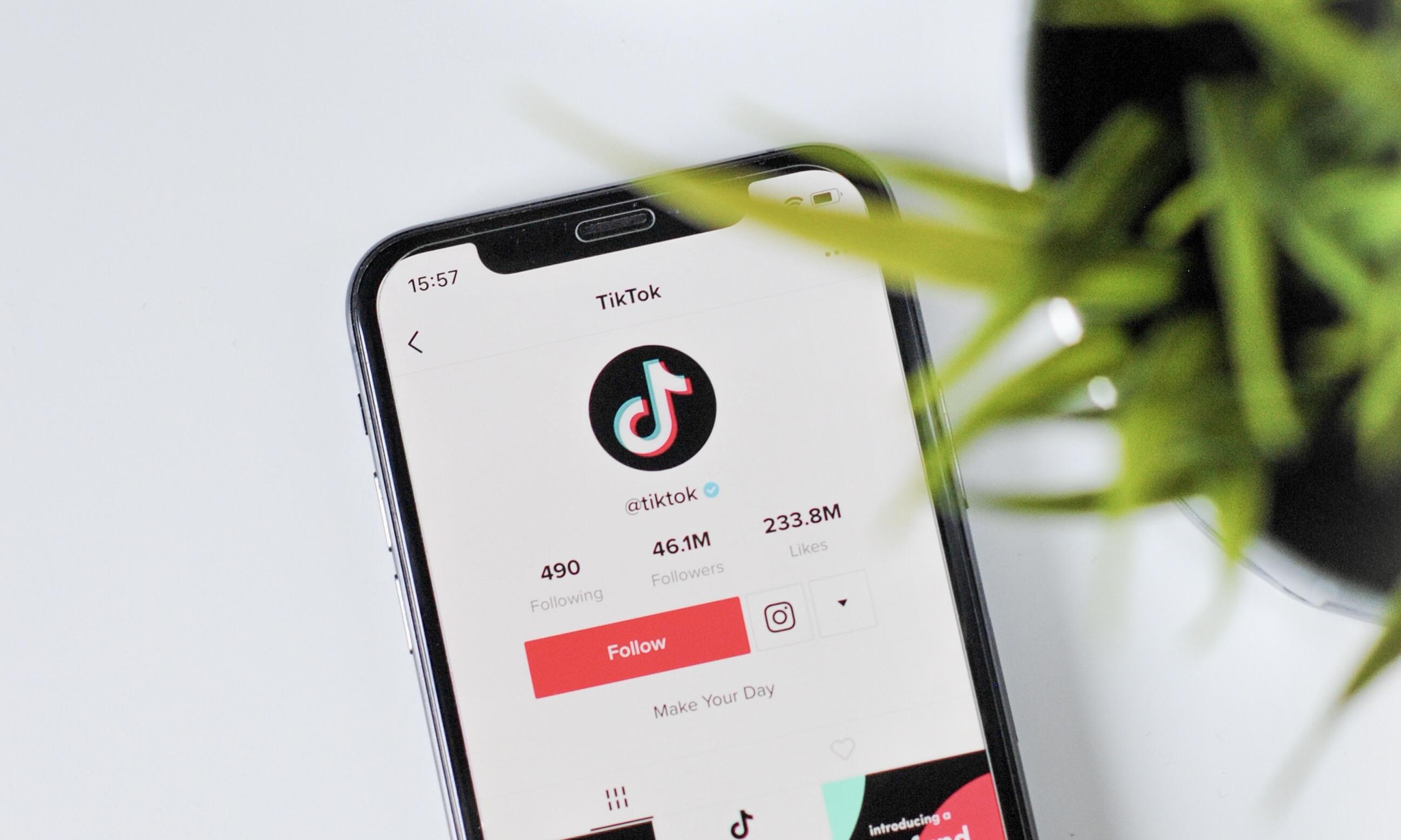
Photo: Nik/Unsplash