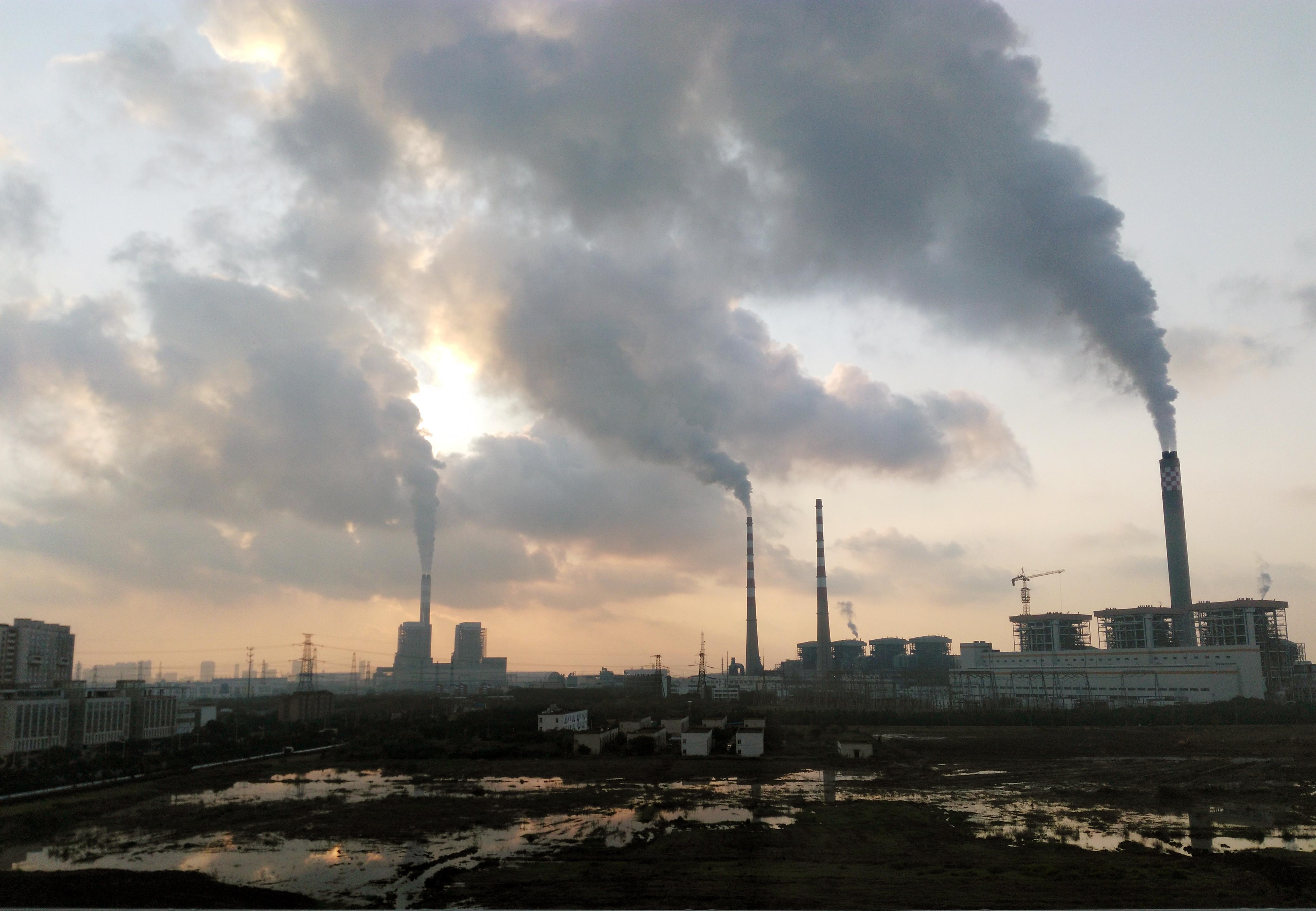
The Korea Institute of Machinery and Materials had developed a system that filters fine dust in the white smoke emitted from thermoelectric power plants and waste incinerating facilities through simultaneous cooling and absorption.
The condensable fine dust particles, which are emitted as gas at high temperatures, are turned into solid particles as they cool down.
The research team collected smoke of over 100 degrees Celsius, cooled it down to close to room temperature, turned the gas into a liquid, and filtered the moisture to eliminate the fine dust particles.
The research team used a simple cooling system to filter as many condensable fine dust particles as possible from the white smoke and then use additives to absorb the moisture.
The method allowed the research team to filter 70 percent of moisture and 80 percent of fine dust before spraying moisture absorbers one more time to dry off the water.
As a result, up to 85 percent of moisture and fine dust were filtered.



Oil Prices Hit Four-Month High as Geopolitical Risks and Supply Disruptions Intensify
Asia Stocks Pause as Tech Earnings, Fed Signals, and Dollar Weakness Drive Markets
Trump Signs Executive Order to Boost AI Research in Childhood Cancer
SpaceX Starship Test Flight Reaches New Heights but Ends in Setback
Drug pollution in water is making salmon take more risks – new research
Senate Sets December 8 Vote on Trump’s NASA Nominee Jared Isaacman
Asian Currencies Trade Flat as Dollar Retreats After Fed Decision
The UK is surprisingly short of water – but more reservoirs aren’t the answer
Dollar Struggles as Policy Uncertainty Weighs on Markets Despite Official Support
Swimming in the sweet spot: how marine animals save energy on long journeys
Starmer’s China Visit Signals New Era in UK–China Economic Relations
Fungi are among the planet’s most important organisms — yet they continue to be overlooked in conservation strategies
How ongoing deforestation is rooted in colonialism and its management practices
Oil Prices Surge Toward Biggest Monthly Gains in Years Amid Middle East Tensions
Tabletop particle accelerator could transform medicine and materials science 


