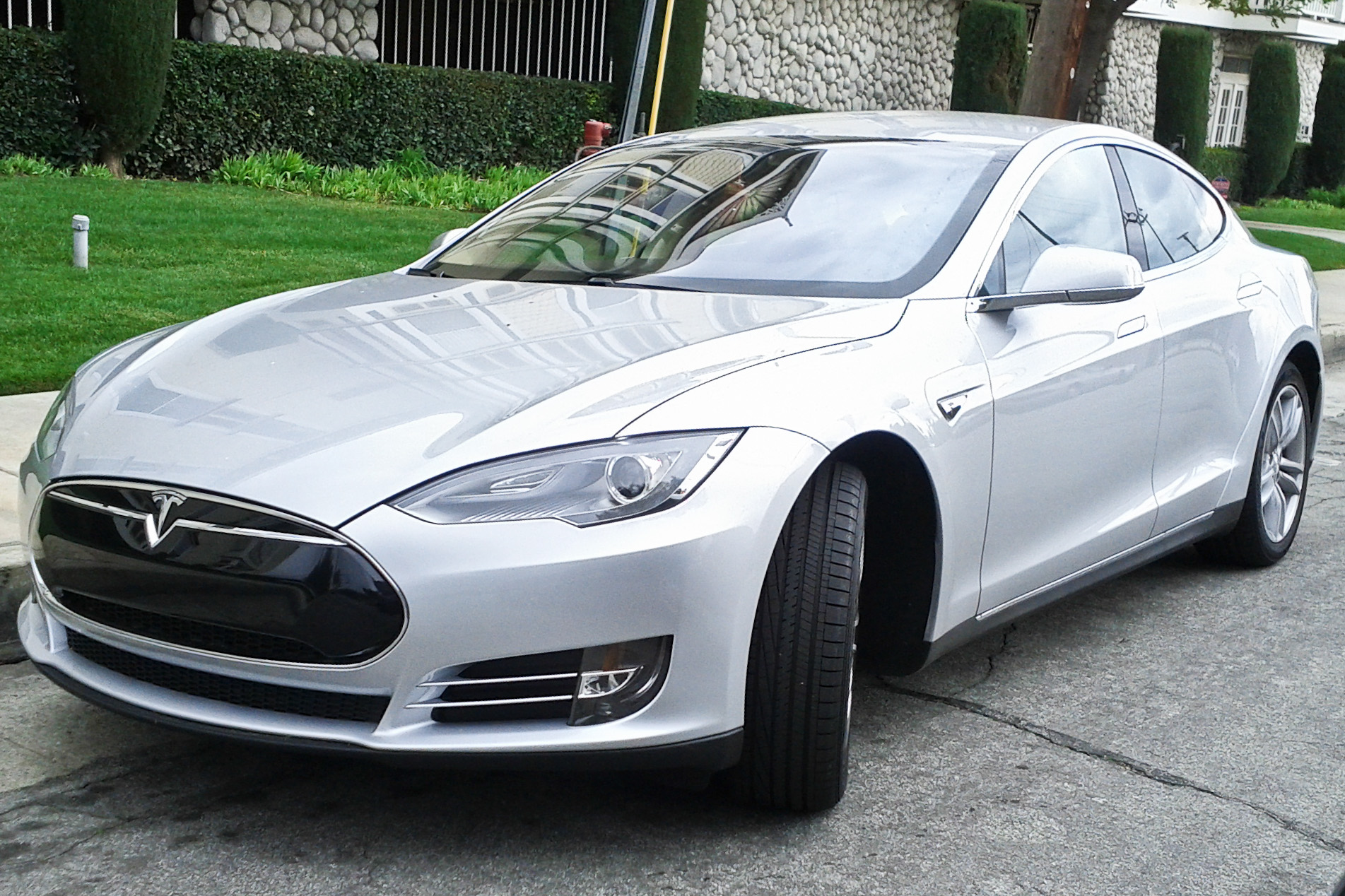
The auto industry has pretty much accepted that self-driving is the future, but it’s still interesting to see how this conclusion is affecting other companies. One insurance carrier, for example, is offering incentives to owners of Tesla vehicles who basically let their cars drive themselves. This is indicative of how self-driving cars are regarded as much safer than human drivers.
The carrier in question is Direct Line, the largest auto insurance entity in Britain. The company is offering a five percent discount to clients who turn on their Tesla Autopilot systems, Reuters recently reported. This is an effort to reduce traffic accidents and the expenses they incur since the general consensus is that driverless cars get into fewer crashes.
So far, Direct Line is the only tie-up that Tesla has in the UK. This development should go a long way towards convincing other insurance companies that they stand to gain much from jumping on the autonomous bandwagon, which the tech company is highly invested in.
As to whether or not this could eventually lead to lower premiums, the company said that there isn’t enough data to justify doing this. As Direct Line Head of Motor Development, Dan Freedman put it, human drivers are still the ones with the most control with their cars, right now.
“At present the driver is firmly in charge so it’s just like insuring other cars, but it does offer Direct Line a great opportunity to learn and prepare for the future,” Freedman said.
According to recent data, up to 2.35 million people are injured due to traffic accidents in the U.S. every year and more than 37,000 cases result in fatalities. Up to 95 percent of these accidents are due to human error. With driverless cars, the rate of people getting injured or dying as a result of car crashes can be significantly reduced, Futurism notes.