In a historic announcement, Intel boasted that its computer chips have been a big contributing factor to the advances in autonomous driving that Google’s self-driving car division Waymo has displayed over the years. What’s more, Waymo actually confirmed that this was the case, finally revealing that it was working with a supplier in developing its driverless technology.
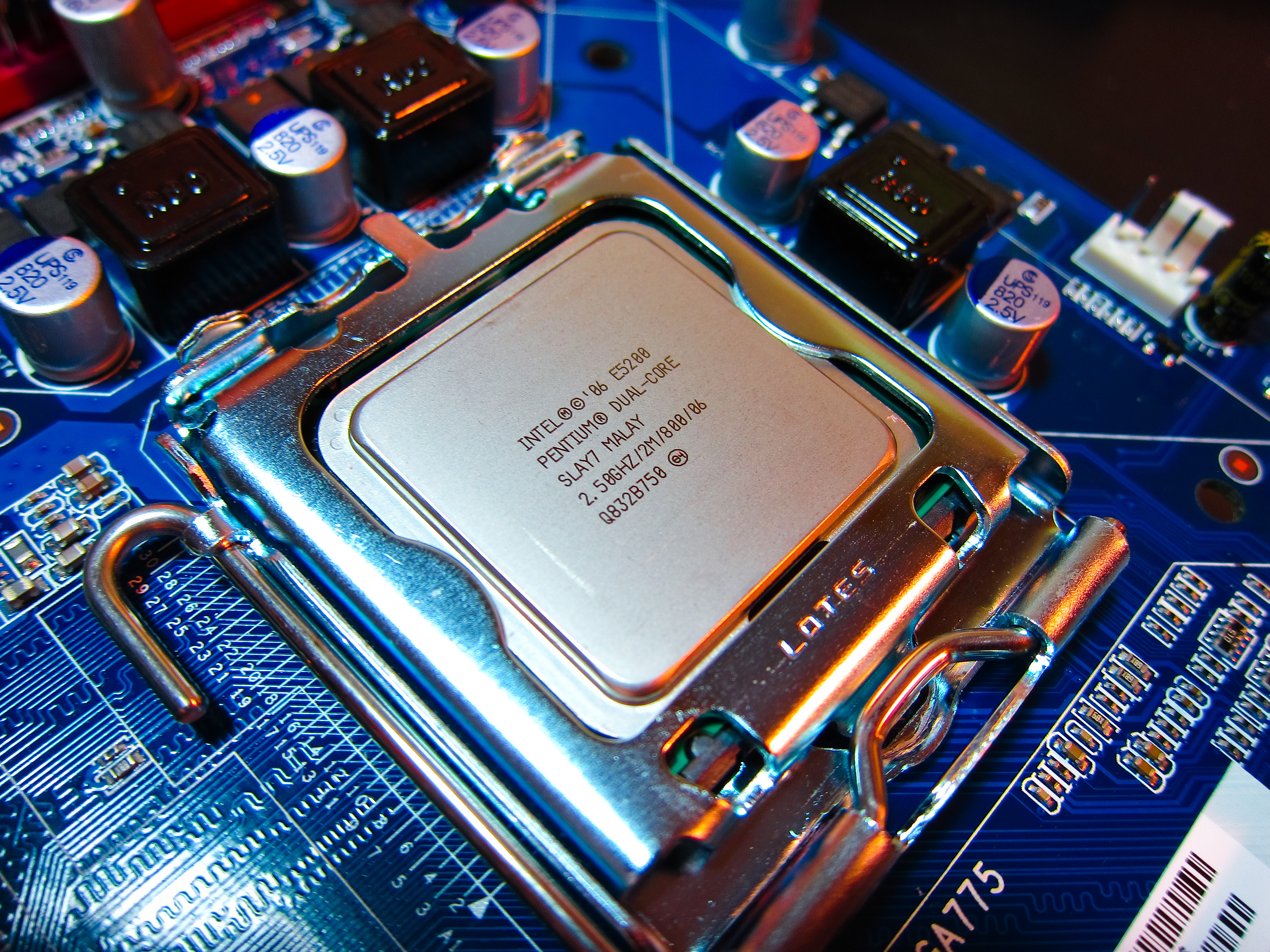
Intel made the announcement on Monday, noting how Waymo’s self-driving cars are able to perform real-time information processing thanks to its computer chip. Specifically, the computer chip was installed in the Chrysler Pacifica that Waymo has been using since 2015. Speaking to Reuters, Intel Chief Executive Brian Krzanich explained how his company helped the tech giant make its sensors better.
“Over time we’ll both learn we can bring more of the software ... down onto the silicon, because you get performance, cost and power,” Krzanich told the publication. “There will be a regular cadence of new innovation and new silicon that comes out. That’s really what we both get out of this.”
This announcement is just Intel’s way of saying that it is now a major player in the autonomous driving arena. As if spending $15 billion to acquire Mobileye back in March didn’t already make that clear. The largest computer processing chip maker in the world has some major ambitions in the future of autonomous driving, which is predicted to basically take over the auto industry.
In a blog post, the Waymo team confirmed Intel’s announcement, noting how it has been using Intel products as far back as 2009. This has apparently allowed its various sensor technologies to perform as well as they have.
“Our self-driving Pacifica minivans are now the most advanced cars on the road today. By working closely with partners like Intel, Waymo’s vehicles will continue to have the advanced processing power required for safe driving wherever they go,” the blog post reads.