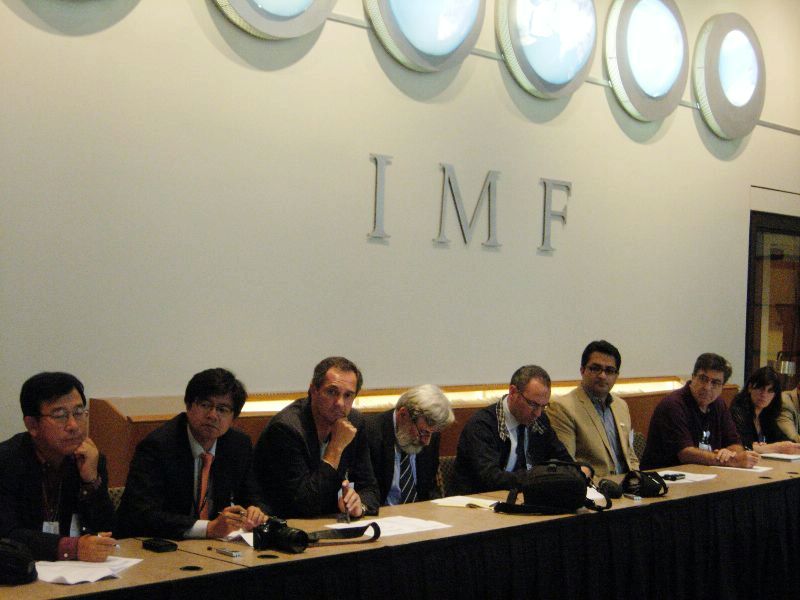
The threat that cryptocurrency poses to the financial industry is getting heavier as more investors are gravitating towards it. Even banks themselves are seeing it as a capable rival, as evidenced by a recent article published by the International Monetary Fund (IMF), according to Cointelegraph.
An official of the IMF proposed that central banks should make fiat money more alluring in this digital era. Dong He, deputy director of the Monetary and Capital Markets Department, proposed three strategic countermeasures to keep cryptocurrencies at bay against central banks.
The first suggestion is to make fiat currencies “better and more stable units of account.” He emphasized the importance of harnessing the “role collective expertise and experience play in monetary policymaking.”
Christine Lagarde, IMF’s managing director, said, as quoted in the article, that one of the best approaches of central banks against the creeping influence of crypto in the financial market is to maintain effective monetary regulations while welcoming new ideas as the monetary ecosystem changes.
The second approach is the pushing of regulation on the crypto market as lighter legal restrictions would spawn “unfair competitive advantages” against central banks and stifle regulatory arbitrage. “That means rigorously applying measures to prevent money laundering and the financing of terrorism, strengthening consumer protection, and effectively taxing crypto transactions,” deputy director He continued.
The third strategy involves the use of central banks' digital currency to add a layer of appeal to their money as a settlement vessel. The deputy director highlighted the benefits of such adoption, like reducing transaction cost for individuals and SMEs. He also mentioned its capabilities of conducting long-distance transactions.
“For example, they could make central bank money user-friendly in the digital world by issuing digital tokens of their own to supplement physical cash and bank reserves,” He said. “Such central bank digital currency could be exchanged, peer to peer in a decentralized manner, much as crypto assets are.”
He went on to say that the technology that underpins crypto is a potential advantage that central banks can exploit. By integrating machine learning, big data and artificial intelligence, they can gather insights that will help in strategizing the next move and inform them whether its internal improvisation or propositions can counter the burgeoning popularity of crypto in the market.