Six regional sources have revealed that Iran has communicated to intermediaries that Lebanon must be included in any potential ceasefire agreement involving the United States and Israel. This condition directly ties an end to the broader regional conflict with a halt to Israel's ongoing military campaign against Hezbollah, the Iran-backed Lebanese armed group.
Iran's state broadcaster Press TV cited an Iranian official stating that Tehran expects any diplomatic resolution to protect not only Iran but also affiliated resistance factions across the region. A senior Iranian official separately confirmed to Reuters that Tehran was still evaluating a U.S. proposal to end the month-long regional war, suggesting the offer had not been formally rejected.
According to sources who requested anonymity due to the sensitivity of ongoing negotiations, Iran began signaling to mediators as early as mid-March that Hezbollah's protection must be part of any agreement. One source noted that Hezbollah had already received assurances from Tehran regarding its inclusion, with Iran firmly opposing any repeat of the alleged Israeli violations that followed the 2024 ceasefire.
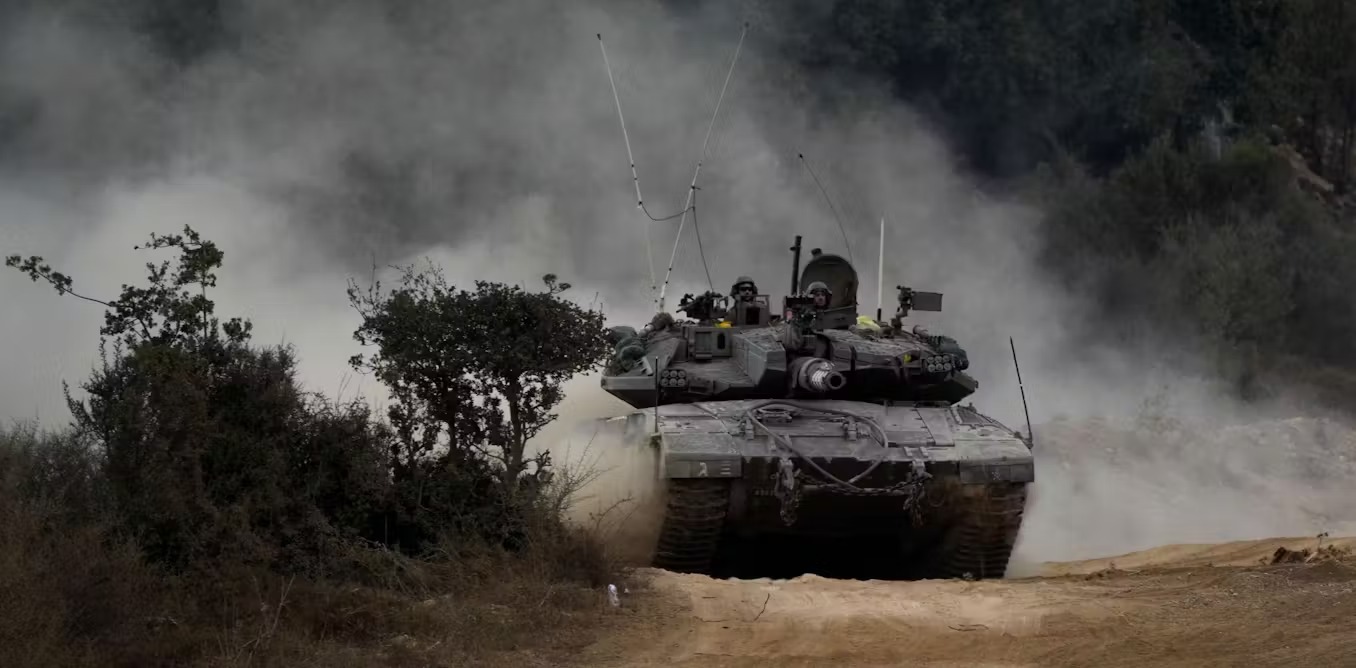
Founded by Iran's Revolutionary Guards in 1982, Hezbollah opened fire on Israel on March 2 in a show of solidarity with Tehran, prompting an Israeli air and ground campaign across Lebanon. Since then, Lebanese authorities report that Israeli strikes have killed over 1,000 people and displaced more than one million residents.
Despite these developments, an Israeli source briefed on military strategy described the Lebanon and Iran fronts as separate, indicating Israeli operations against Hezbollah could continue independent of any Iran deal. A senior Trump administration official also stressed that dismantling Hezbollah's military capacity and ending Iran's regional proxy activities remain central to achieving lasting peace in Lebanon.
Hezbollah, whose political influence in Lebanon has significantly declined following its 2024 military losses, is reportedly counting on an Iran-backed truce to help restore its standing in Lebanese politics.