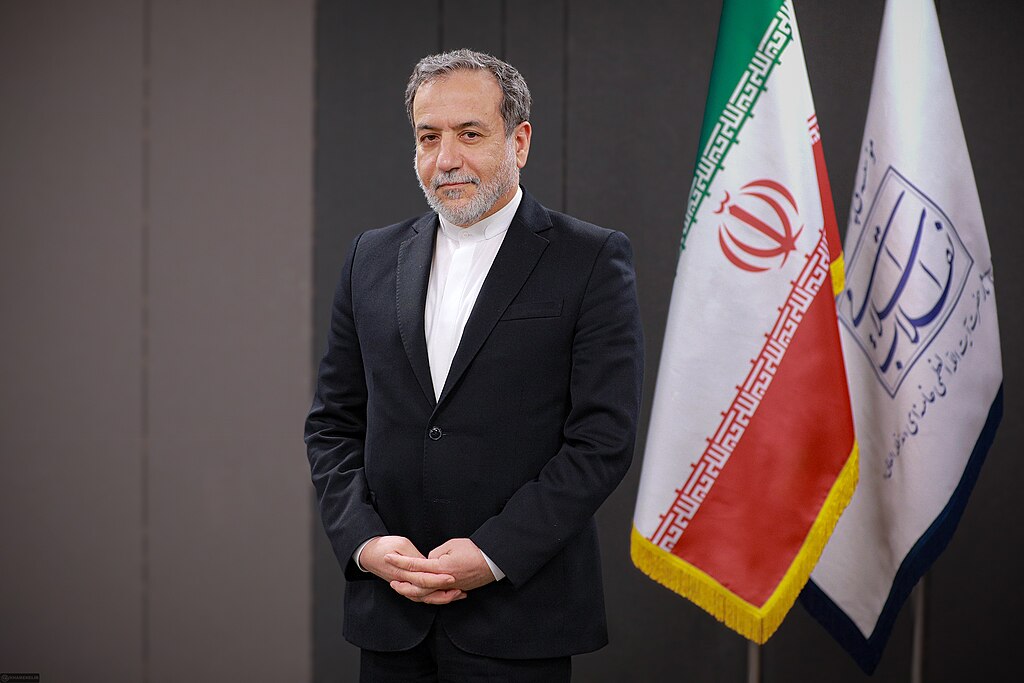
Pakistani officials have confirmed that Iran’s Foreign Minister Abbas Araghchi is expected to visit Islamabad by the weekend, according to a report by The Associated Press. The high-level diplomatic trip, which may begin as early as Friday, will include a small Iranian government delegation. This visit highlights Pakistan’s growing role as a mediator in ongoing geopolitical tensions involving Iran, the United States, and regional allies.
Pakistan has recently positioned itself as a key facilitator in ceasefire discussions between Washington and Tehran. These diplomatic efforts come amid a fragile geopolitical landscape, with uncertainty surrounding multiple ceasefire agreements in the Middle East. U.S. President Donald Trump announced a three-week extension of a ceasefire between Israel and Lebanon following talks with officials from both nations. However, the absence of Hezbollah representatives from these discussions has raised concerns about the long-term stability of the agreement.
Earlier developments included an indefinite ceasefire announcement between the U.S. and Iran. Despite this, the U.S. has maintained a blockade on Iranian ports, escalating tensions further. In response, Iran has demonstrated its control over the Strait of Hormuz, a critical global oil transit route responsible for nearly 20% of the world’s oil supply. Reports indicate that Iranian forces have attacked vessels in the region, while U.S. forces have seized Iranian-flagged ships and issued strict military warnings against further escalation.
The ongoing conflict has had a significant impact on global oil markets. Concerns over supply disruptions in the Strait of Hormuz have driven oil prices above $100 per barrel, intensifying fears of rising inflation and slower economic growth worldwide. Brent crude, a key global benchmark, recently traded at $104.38 per barrel, reflecting continued volatility despite slight declines.
As diplomatic efforts continue, global markets remain highly sensitive to developments in Iran-U.S. relations, Middle East conflicts, and energy supply stability.