


 France Student Protests Intensify Nationwide
  Trump Backs Florida Golf Course as Presidential Retreat
  Houthis Strike Aden Airport as Yemen Fighting Escalates
  Rapidus Seeks Chip Customers as Japan Pushes 2nm Semiconductor Revival
  Trump Weighs FBI Probe Into Nolan Wells’ Death
  Flavio Bolsonaro Surges as Family Scores Brazil Election Comeback
  Mexico Bars Dual Citizens From Presidential Races Starting in 2028
  Mike Rogers Calls for End to US-Canada Tariff War
  Trump Envoy Meets Sudan Army Chief in Egypt
  Merz Warns of Extremism After AfD Gains Power in Saxony-Anhalt
  France to Release 10 Million Barrels of Diesel to Ease Fuel Prices
  North Korea Slams US Taiwan Arms Sales, Reaffirms Russia Support
  Maduro, Wife May Face New US Torture Charges
  US-Led Coalition Targets Global Factory Overcapacity
  Becton Dickinson to Invest $3 Billion in U.S. Medical Manufacturing
  Zelenskiy Warns Russia Is Preparing Massive Attack on Ukraine
  Lincoln University Students Sue Missouri Over Decades of Underfunding


 Add as a preferred source on Google
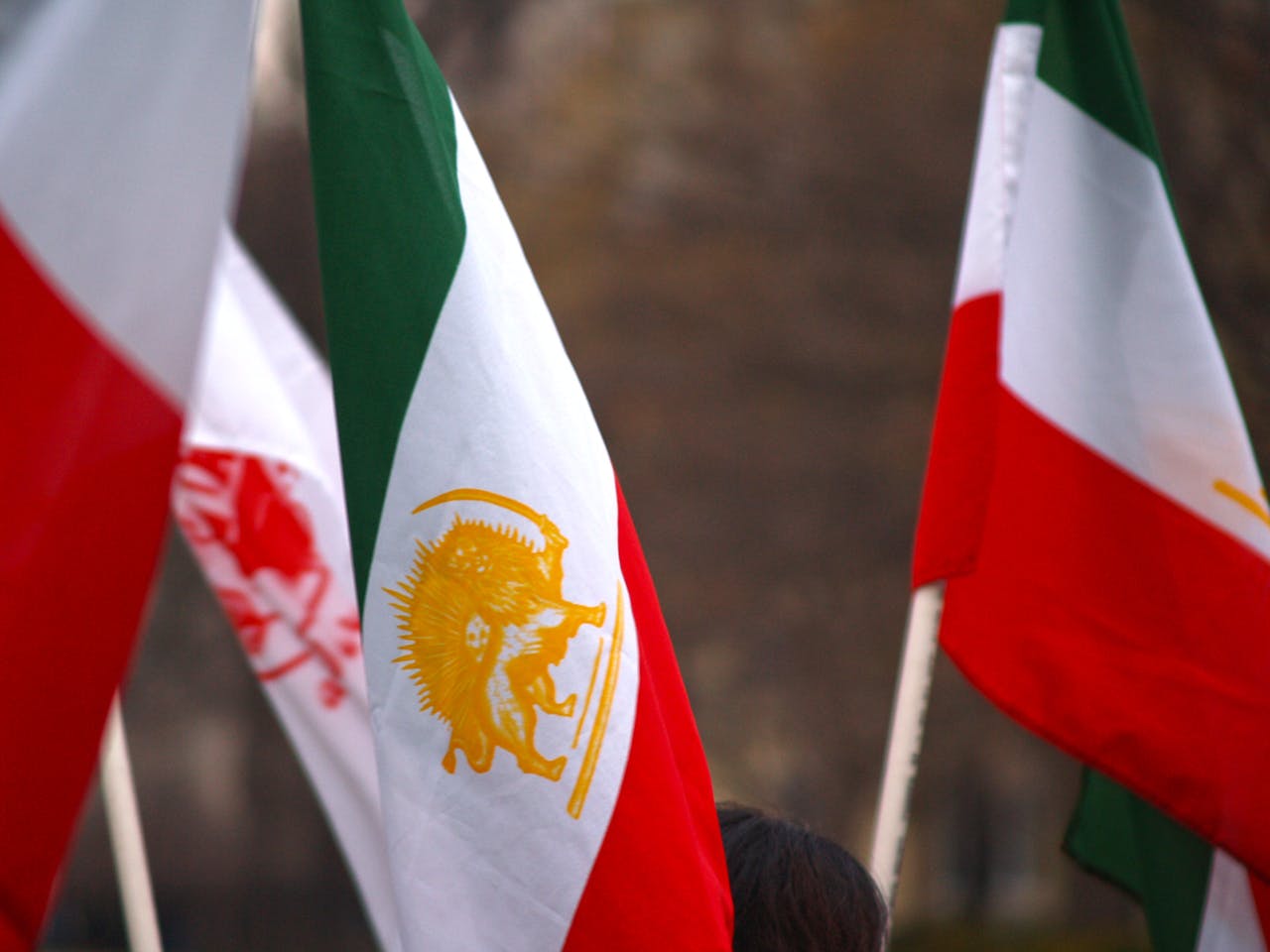
Iran did not participate in the technical talks scheduled for Sunday, citing recent military attacks on the country and unresolved conditions outlined in its memorandum of understanding (MoU) with the United States. The decision adds another obstacle to ongoing diplomatic efforts aimed at easing tensions between Tehran and Washington.
Speaking to Iranian state television, Mehdi Fazaeili, a member of the Office of Preservation and Publication of the Works of Iran’s Supreme Leader, said the country chose not to attend the discussions because key commitments under the agreement have yet to be fulfilled.
According to Fazaeili, one of Iran’s primary concerns is whether it has been granted access to its previously frozen financial assets. He stated that verifying access to those funds is a critical requirement before Iran can move forward with technical negotiations.
“For example, one of the reasons is checking if we have access to the unfrozen funds. If there is no access, then this condition has not been fulfilled,” Fazaeili said during the televised interview.
Iran’s absence from the talks highlights the ongoing challenges surrounding the implementation of the MoU between the two countries. Tehran has repeatedly emphasized that practical steps, rather than political statements, are necessary to demonstrate Washington’s commitment to the agreement.
The latest development comes after heightened regional tensions and recent attacks inside Iran, which Iranian officials say have further complicated the diplomatic process. Iranian authorities continue to insist that all agreed conditions must be met before technical discussions can resume.
The postponement of Sunday’s meeting raises fresh questions about the timeline for future negotiations and whether both sides can overcome existing disputes. Analysts say progress will likely depend on the successful implementation of agreed measures, including financial commitments such as the release of frozen Iranian funds, as well as broader efforts to restore confidence between the United States and Iran.







