Tensions between Iran and the United States continue to rise as Tehran warns of “long and painful strikes” if Washington launches new military attacks. The ongoing Iran-U.S. conflict has significantly impacted global markets, particularly after Iran reinforced its control over the Strait of Hormuz, a critical oil transit route responsible for nearly 20% of the world’s energy supply.
Despite a ceasefire established in early April, the situation remains unstable. Iran has maintained its blockade of the Strait of Hormuz in response to U.S. restrictions on its oil exports, further intensifying geopolitical tensions. This disruption has caused oil prices to surge, with Brent crude briefly exceeding $126 per barrel before stabilizing around $114, raising concerns about inflation and a potential global economic slowdown.
U.S. President Donald Trump is reportedly reviewing new military strategies aimed at pressuring Iran into negotiations. These include possible targeted strikes and expanded naval operations. Meanwhile, Iran’s leadership has made it clear that any aggression will be met with strong retaliation, targeting U.S. bases and assets across the region.
The economic consequences of the standoff are already being felt worldwide. The United Nations has warned that prolonged disruption in the Strait of Hormuz could slow global growth, increase inflation, and push millions into poverty. Energy markets remain volatile, and uncertainty continues to weigh heavily on investor confidence.
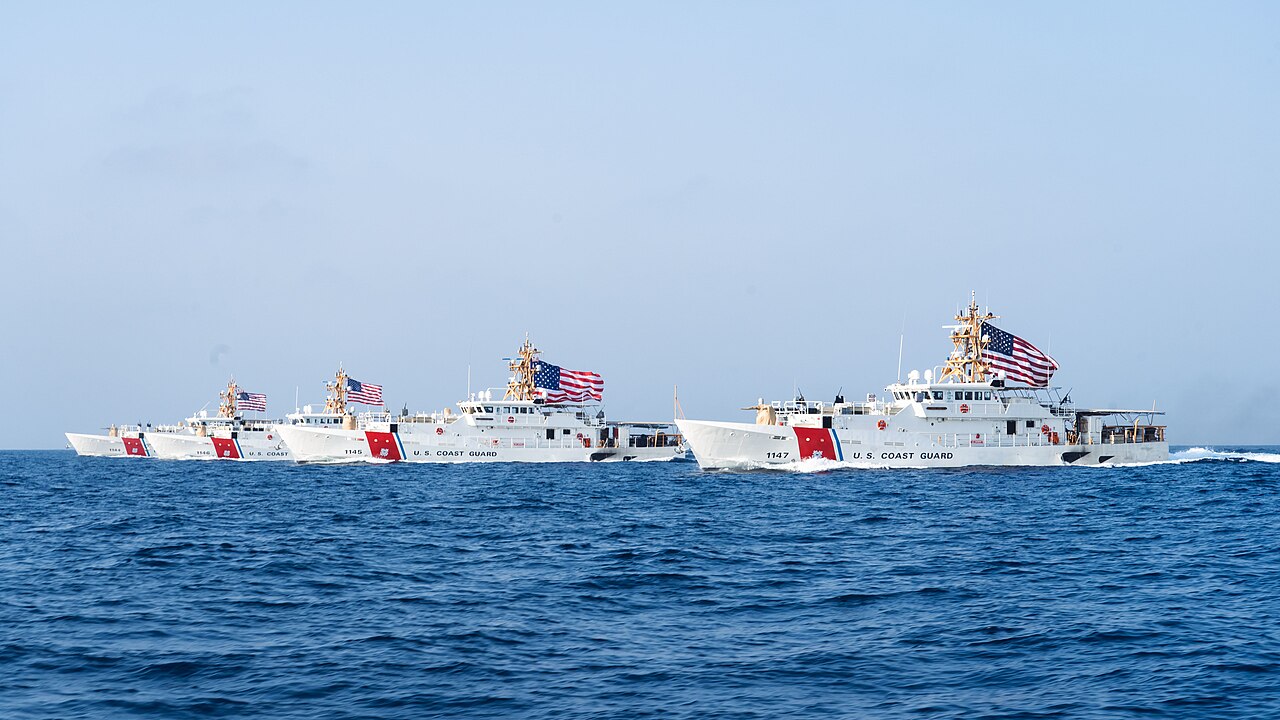
In addition to military considerations, diplomatic efforts are ongoing. The U.S. has proposed forming a multinational coalition to secure maritime navigation through the strait, though several countries have expressed willingness to participate only after hostilities fully cease. At the same time, regional actors are attempting to mediate and prevent further escalation.
As the Iran-U.S. conflict evolves, its impact on global oil supply, energy prices, and economic stability remains a key concern. The outcome will likely shape not only Middle Eastern geopolitics but also the broader global financial landscape.