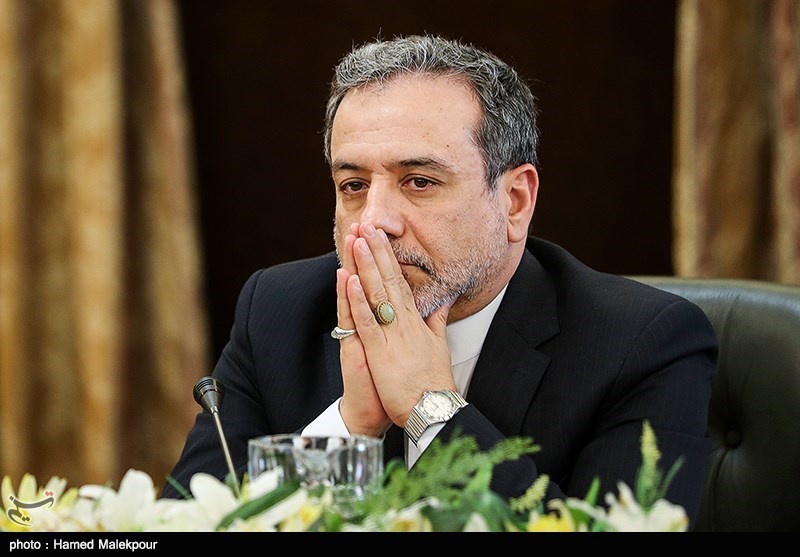
Iran's foreign minister confirmed Wednesday that Tehran is examining a United States peace proposal aimed at ending the escalating Gulf war, though officials stressed this falls short of direct negotiations between the two nations. Abbas Araqchi clarified that message exchanges through intermediaries "does not mean negotiations with the U.S.," signaling cautious diplomatic engagement while maintaining a firm public posture.
The Trump administration's 15-point framework, reportedly delivered via Pakistan, demands that Iran eliminate its highly enriched uranium stockpiles, halt nuclear enrichment activities, scale back its ballistic missile program, and cease financial support for regional proxy groups. The White House declined to confirm specifics but warned of intensified military action should Iran refuse to acknowledge its battlefield losses.
President Trump asserted that Iranian leadership privately seeks a resolution, claiming they "want to make a deal so badly" but fear domestic and external repercussions. Meanwhile, Iran signaled that any comprehensive ceasefire arrangement must also address the situation in Lebanon, according to six regional sources familiar with Tehran's diplomatic stance.
On the military front, U.S. Central Command reported striking over 10,000 targets inside Iran, destroying 92% of its largest naval vessels and reducing drone and missile launch capabilities by more than 90%. Despite this, aerial assaults and Iranian retaliatory strikes continue with no signs of immediate de-escalation.
Global financial markets responded positively to news of the diplomatic outreach, with equity indexes climbing and oil prices retreating amid hopes that a resolution could stabilize disrupted energy supplies. However, Israel expressed skepticism over Iran accepting the proposed terms and raised concerns about potential U.S. concessions during any formal negotiation process.
The Pentagon is also reportedly preparing to deploy additional airborne forces to the region, further expanding America's military footprint as diplomatic efforts continue alongside active combat operations.