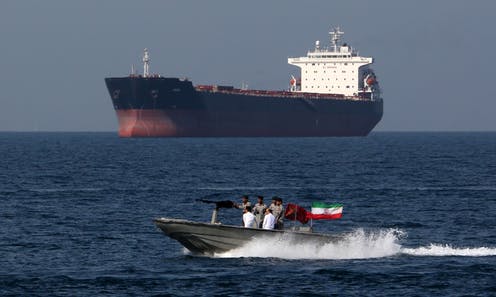
U.S. intelligence has revealed that Iran loaded naval mines onto vessels in the Persian Gulf last month, sparking fears of a potential blockade of the Strait of Hormuz. The move came shortly after Israel’s missile strikes on Iranian territory on June 13 and has raised alarms in Washington over possible escalation in the region.
While the mines have not yet been deployed, their presence suggests Tehran was seriously considering closing the critical shipping route. Roughly 20% of the world’s oil and gas supply transits through the Strait of Hormuz, and any disruption could send global energy prices soaring. However, oil prices have declined more than 10% since U.S. airstrikes on Iran’s nuclear facilities on June 22, due to market relief over continued oil flow.
Iran’s parliament recently supported a measure to block the strait, but the final decision lies with the Supreme National Security Council. Historically, Iran has made similar threats without acting on them. The U.S. believes Iran may have loaded the mines as a deterrent or to prepare for a future directive.
The narrow strait, just 21 miles wide at its tightest point, serves as a vital passage for oil exports from major producers like Saudi Arabia, Iraq, and the UAE, along with most of Qatar’s LNG exports. Iran also relies heavily on the waterway for its own crude shipments, adding complexity to any blockade plans.
The U.S. Navy’s Fifth Fleet, based in Bahrain, oversees security in the region. Anti-mine vessels were withdrawn prior to recent U.S. strikes as a precaution. Iran’s direct response was limited to a missile attack on a U.S. base in Qatar, but officials remain alert to further actions.