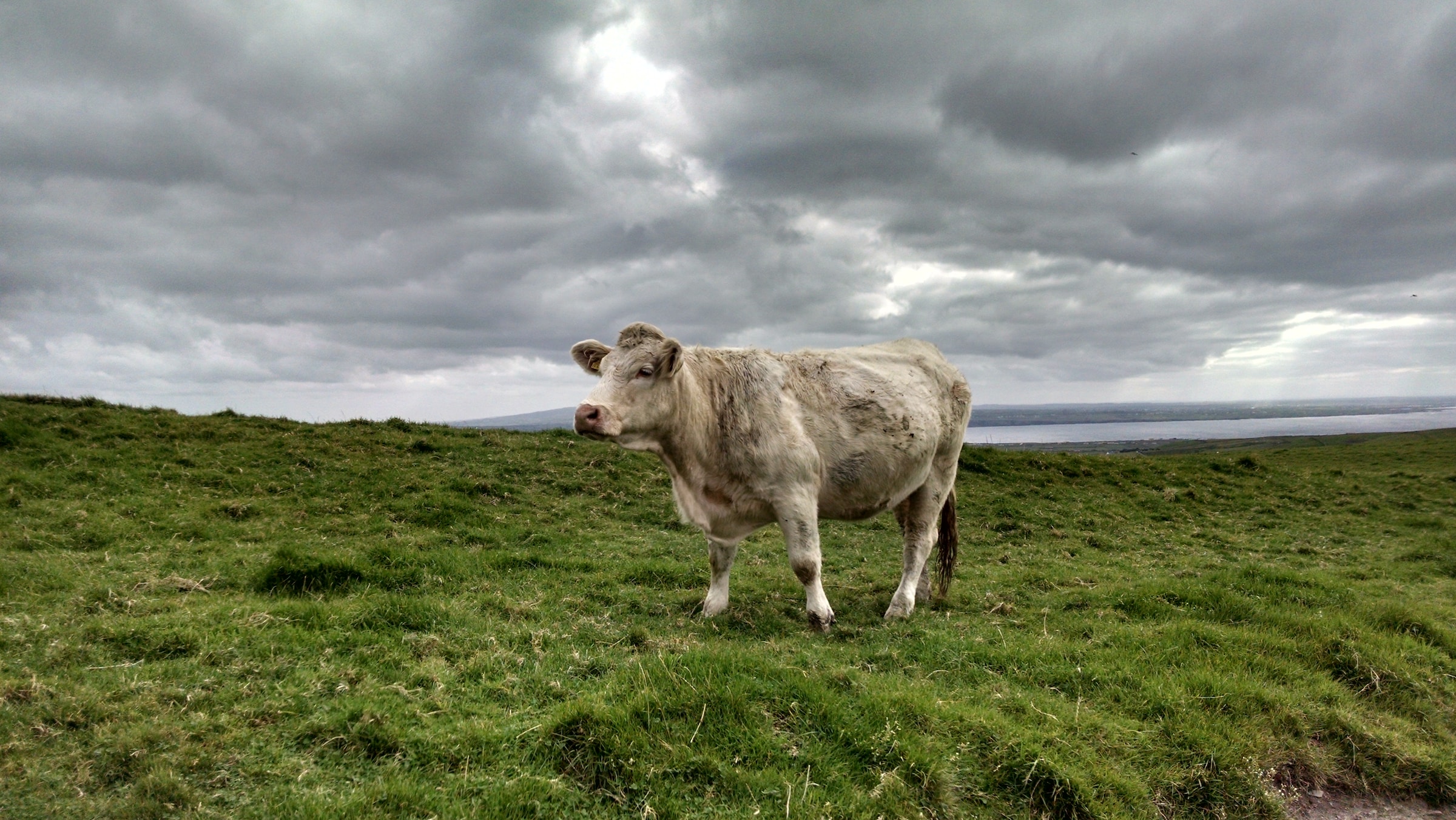
In a bold move to combat climate change, the Irish government will cull 200,000 cows over the next three years at a cost of €600 million, part of a broader initiative to reduce agricultural emissions by 25% by 2030. The decision has sparked debates on its potential implications for the farming sector and global warming.
According to Ireland’s Environmental Protection Agency (EPA), 38% of the country’s greenhouse gas (GHG) emissions in 2021 came from the agriculture sector, mostly from nitrous oxide from the use of nitrogen fertilizer and manure management and methane in livestock.
The Irish government is hoping to reduce agricultural emissions by 25% by 2030. In March, Ireland’s Minister for Agriculture, Food and the Marine, Charlie McConalogue, said that one of the dairy food division group’s recommendations as part of its ‘Climate Action Plan’ for 2023” was to explore a voluntary dairy reduction scheme. The Minister expects to receive a more detailed plan by the end of the year and set up in early 2024.
Irish Farmers’ Association president, Tim Cullinan, said that the plan based on Food Vision Dairy Group’s report in October last year would “further erode” farmer trust in the government. Irish Cullinan also warned that reducing dairy or beef production in the country would result in ‘carbon leakage’ as production will be moved to other countries with a higher carbon footprint. This is expected to enhance global warming.
Irish politician Peadar Tóibín said that the high number of cattle that could be “culled” by 2025 poses an “incredible threat to the farming sector.”
McConalogue, in a statement on Food Vision Dairy Group’s report in October last year, said that the group had discussed the calculation of the current emissions inventory, pathways to reductions in nitrous oxide emissions, and stabilizing and reducing emissions.
According to the provisional Irish June Livestock Survey released by the Agriculture and Horticulture Development Board, Ireland has about 2.5 million dairy and beef cows.
With around 90% of the produce being exported, cattle and dairy make up about two-thirds of the agricultural output of the nation.
Photo: Natalie Warren/Unsplash