


 Trump Calls for Zelenskyy Replacement Amid Russian Diesel Deal
  European Auto Stocks Rise as EU-China Trade Deal Targets Hybrid Imports
  Russian Strikes Kill Six in Ukraine, Including Three in Kharkiv
  NATO Commander Warns Russia of Devastating Response to Attack
  Most Americans Oppose Election Betting on Prediction Markets, Poll Finds
  Elon Musk Donates $366 Million to 2026 US Midterms
  Zelenskiy Offers Russia Energy Truce Amid Trump Pressure
  North Korea Fires Ballistic Missiles Amid Rising Tensions With South Korea
  Greenland Lawmakers Back Trump Security Deal Despite Economic Concerns
  Panama Declares Emergency After 7.7 Earthquake Triggers 200 Aftershocks
  Trump Announces Russia-Ukraine Energy Ceasefire Amid U.S. Pressure on Kyiv
  US Condemns China Sanctions on Taiwan Allies Belize and Paraguay
  Trump Announces Russia-Ukraine Energy Ceasefire as Zelenskiy Awaits Details
  US Authorities Raid Ilhan Omar’s Home Amid Immigration Fraud Probe
  Trump Plans White House Shake-Up of Key AI Safety Agency
  Trump Sanctions International Criminal Court, Sparking EU Backlash


 Add as a preferred source on Google
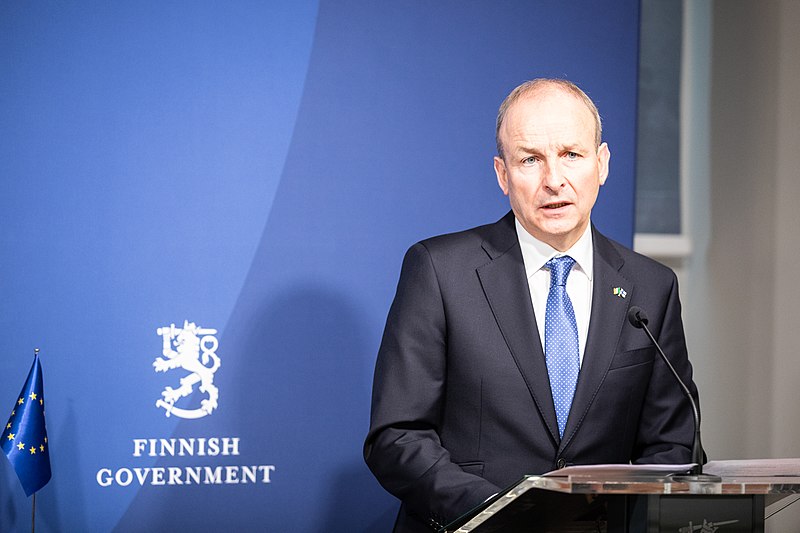
Ireland’s Prime Minister Micheal Martin weighed in on the United Kingdom’s move to scrap out the Northern Ireland protocol. Martin said the breach made by the UK was “very serious.”
Martin responded to the United Kingdom’s plan to scrap out the Northern Ireland protocol which was established when the UK left the European Union regarding trade with Northern Ireland. The Irish leader said the unilateral breach of the protocol would be “very serious.”
“Unilateral breach of the protocol is very serious – an international deal ratified by British Parliament and approved by the PM,” Martin tweeted. “It goes to the heart of the issue of trust.”
The UK published its plans Monday to override some of the post-Brexit trade rules for Northern Ireland. The plan would scrap checks and challenge the role of European Union courts even as Ireland criticized the move as a “new low” with Brussels saying that this was a breach of trust.
The move by the UK was described by Prime Minister Boris Johnson were “relatively trivial” measures to improve trade while reducing bureaucracy. The European Commission Vice President Marcos Sefcovic said the EU’s response would be appropriate, but ruled out re-negotiating the trade protocol.
This follows the UK’s claim that the EU of taking a heavy-handed approach to the movement of goods between Britain and Northern Ireland, the checks needed to keep an open border with the EU-member country.
“I’m very willing to negotiate with the EU, but they do have to be willing to change the terms of the agreement which are causing these very severe problems in Northern Ireland,” said UK foreign secretary Liz Truss. “We’re completely serious about this legislation.”
Johnson defended the Northern Ireland law Monday, explaining that the UK only wanted to fix the issues surrounding post-Brexit trade to disapply parts of the agreement with the EU.
“It is relatively simple to do it, it’s a bureaucratic change that needs to be made. Frankly, it’s a relatively trivial set of adjustments,” said Johnson on LBC Radio, calling out the critics of the legislation who say it will violate international law. “All we are trying to do is have some bureaucratic simplifications between Great Britain and Northern Ireland.”







