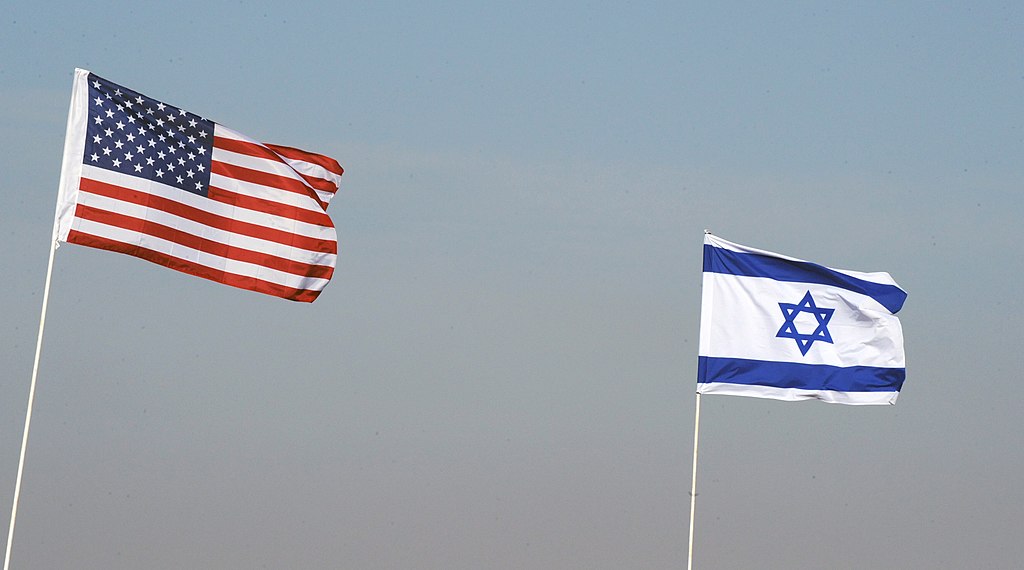
Israel fully coordinated its recent military strike on Iranian targets with the United States and informed Washington ahead of the operation, according to an Israeli official quoted by state broadcaster Kan on Friday. The unnamed official emphasized that contrary to recent media speculation, there is no rift between the U.S. and Israel over the Iran issue.
The source suggested that reports hinting at strained relations were part of a deliberate media strategy aimed at misleading Tehran and creating strategic ambiguity around Israel’s military intentions. By allowing speculation of disagreement with Washington to persist, Israel sought to maintain operational secrecy and gain a tactical advantage.
The clarification comes amid heightened tensions in the Middle East, with Israel taking what it calls "pre-emptive action" against Iranian military and nuclear infrastructure. The strike, which reportedly hit multiple sites across Iran, has raised concerns over potential regional escalation and global diplomatic fallout.
The United States, while officially stating it was not involved in the military action, has reaffirmed its support for Israel’s right to self-defense. Officials in Washington have also been in close consultation with Israeli counterparts since the attack, suggesting ongoing strategic alignment despite public distancing.
This latest development highlights the complexity of U.S.-Israel relations and the role of information warfare in modern conflict. It also underscores Israel’s continued focus on countering Iran’s nuclear ambitions and expanding regional influence through intelligence-led operations.
By confirming prior coordination with the U.S., Israel aims to reassure allies while signaling to Iran that it remains capable of executing high-level military operations with international backing. The revelation may also impact future diplomatic moves by Tehran and its allies in the region.