Israel has warned residents of southern Lebanon to avoid returning to a wide stretch of territory along the border, reinforcing its military presence despite an ongoing ceasefire with Hezbollah. The advisory includes areas extending toward the Litani River, signaling Israel’s intent to maintain control over a strategic buffer zone aimed at preventing further cross-border attacks.
The U.S.-brokered 10-day ceasefire, which began last Thursday, has largely paused hostilities between Israel and the Iran-backed Hezbollah group. However, tensions remain high as Israeli troops continue operating several kilometers داخل Lebanese territory. According to the Israeli military, forces are holding positions approximately 5 to 10 kilometers north of the border due to what it describes as ongoing security threats.
Maps released by Israel highlight restricted zones affecting more than 70 villages across southern Lebanon. Residents have been urged not to approach these areas, with warnings citing risks from continued military activity. The Litani River region has also been declared off-limits, further limiting civilian movement in the south.
Hezbollah officials and local Lebanese authorities have echoed similar warnings, advising displaced residents not to return home prematurely. Concerns remain over potential Israeli strikes and unexploded ordnance. Hezbollah has also claimed responsibility for detonating explosives against Israeli armored vehicles, alleging the destruction of four tanks, though Israel has not confirmed this.
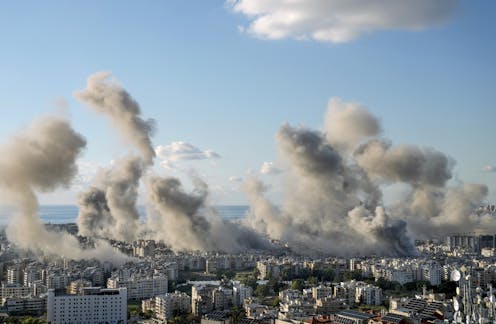
The conflict, which intensified on March 2 when Hezbollah launched attacks in support of Iran, has caused widespread devastation. Lebanese officials report over 2,300 deaths, including children, and more than 1.2 million displaced people. Meanwhile, Israel states that Hezbollah attacks have resulted in civilian casualties and the deaths of Israeli soldiers.
As the ceasefire holds uncertainly, the situation in southern Lebanon underscores ongoing geopolitical tensions in the Middle East, with both sides maintaining defensive and offensive postures.