Japan has called for immediate de-escalation following U.S. airstrikes on Iran’s nuclear facilities, emphasizing the urgent need to reopen dialogue between Washington and Tehran. The strikes, which President Donald Trump claimed "obliterated" Iran’s key nuclear sites, marked the largest Western military intervention against Iran since the 1979 Islamic Revolution, with Israel also participating.
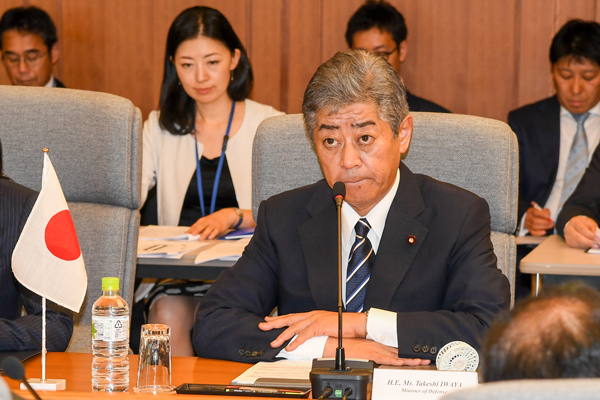
Japanese Foreign Minister Takeshi Iwaya described the escalating retaliation between Israel and Iran as “extremely regrettable” and stressed that Japan strongly supports diplomatic solutions to the nuclear dispute. In a statement, Iwaya urged both the U.S. and Iran to resume negotiations to resolve tensions over Iran’s nuclear ambitions.
Chief Cabinet Secretary Yoshimasa Hayashi clarified during a press briefing that Japan distinguishes the recent U.S. action from Israel’s earlier strike on June 13. He noted that despite ongoing hostilities, the U.S. has continued to pursue diplomatic engagement with Iran.
Prime Minister Shigeru Ishiba previously criticized Israel’s strike on Iran but stopped short of outright condemnation, stating that its military deployment “cannot be absolutely condemned.”
Iran maintains that its nuclear program is strictly for civilian use and denies pursuing nuclear weapons, despite growing skepticism from the West. The latest conflict has heightened global concerns over nuclear proliferation and regional instability.
As tensions rise, Japan positions itself as a neutral advocate for peace, urging all parties to avoid further military escalation and return to the negotiating table. The situation remains volatile, with geopolitical and energy market implications being closely monitored by global stakeholders.
This call for restraint reflects Japan’s long-standing diplomatic approach in Middle Eastern affairs and its vested interest in maintaining regional stability, particularly given its reliance on energy imports from the region.