
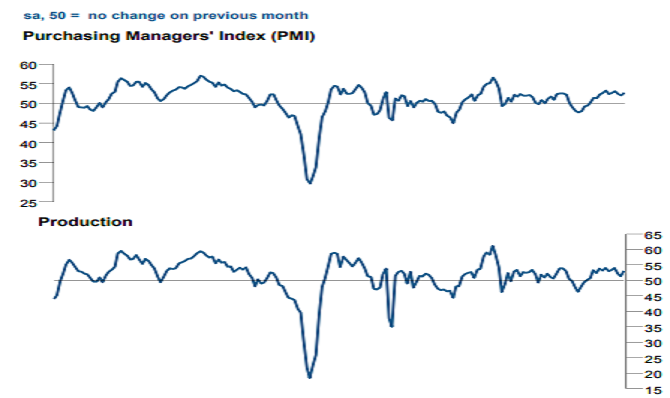
Today sees the latest public release of the Nikkei Flash Japan Manufacturing Purchasing Managers’ Index (PMI). Published on a monthly basis approximately one week before final PMI data are released, this makes the PMI the earliest available indicator of manufacturing sector operating conditions in Japan. The estimate is typically based on approximately 85–90 percent of total PMI survey responses each month and is designed to provide an accurate indication of final PMI data.
Flash Japan Manufacturing PMI improved to a three-month high of 52.8 in August, from 52.1 in July and the Flash Manufacturing Output Index at came in at 53.1, higher than the 51.4 witnessed in July, also registering the fastest growth in three months.
"August’s PMI survey provided another positive set of data on the health of Japan’s manufacturing sector, with growth rates of output, new orders, and employment all improving. Expansion continues to be supported by a mix of strengthened demand from both domestic and external sources: public work projects and stronger sales to South East Asia were both reported by panellists as areas of growth in August," said Paul Smith, Director at IHS Markit, which compiles the survey.
Meanwhile, FxWirePro launches Absolute Return Managed Program. For more details, visit http://www.fxwirepro.com/invest

