The Japanese government unveiled its plans to provide countries with financial assistance to help boost their defenses. This marks the country’s shift in its stance by allowing the use of international aid for defense purposes.
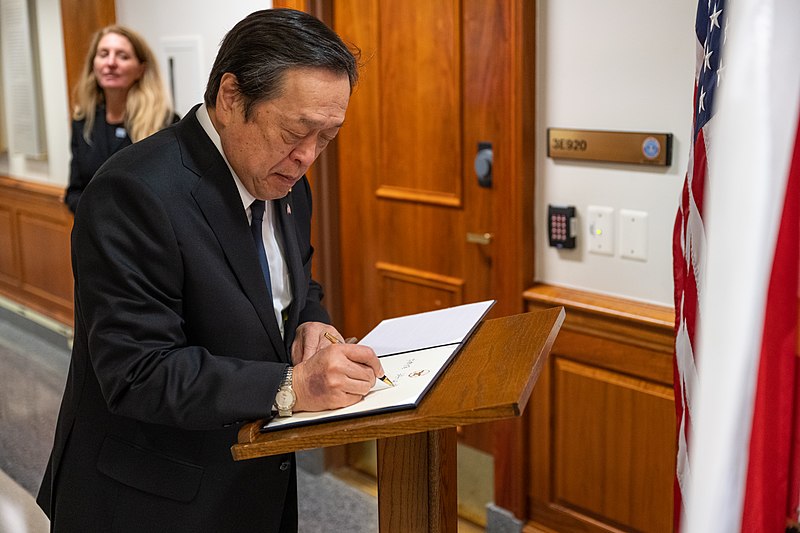
Japanese Chief Cabinet Secretary Hirokazu Matsuno on Wednesday unveiled the Overseas Security Assistance, a program that would provide financial assistance to countries to bolster their defenses. OSA is different from the Overseas Development Assistance program, which has long-funded roads, dams, and other civilian infrastructure. The new program comes amidst Tokyo’s move to increase its military buildup in a major shift from its stance post World War II.
“By enhancing their security and deterrence capabilities, OSA aims to deepen our security cooperation with the countries, to create a desirable security environment for Japan,” said the Japanese foreign ministry in a statement.
Under OSA, the ministry said that the aid provided would not be used to purchase lethal weapons that could be used in conflict with other countries in line with three principles concerning arms exports. The ministry added that specific projects would have satellite communication and radio systems for maritime surveillance, with preparations being made for the first aid to be finalized within the fiscal year.
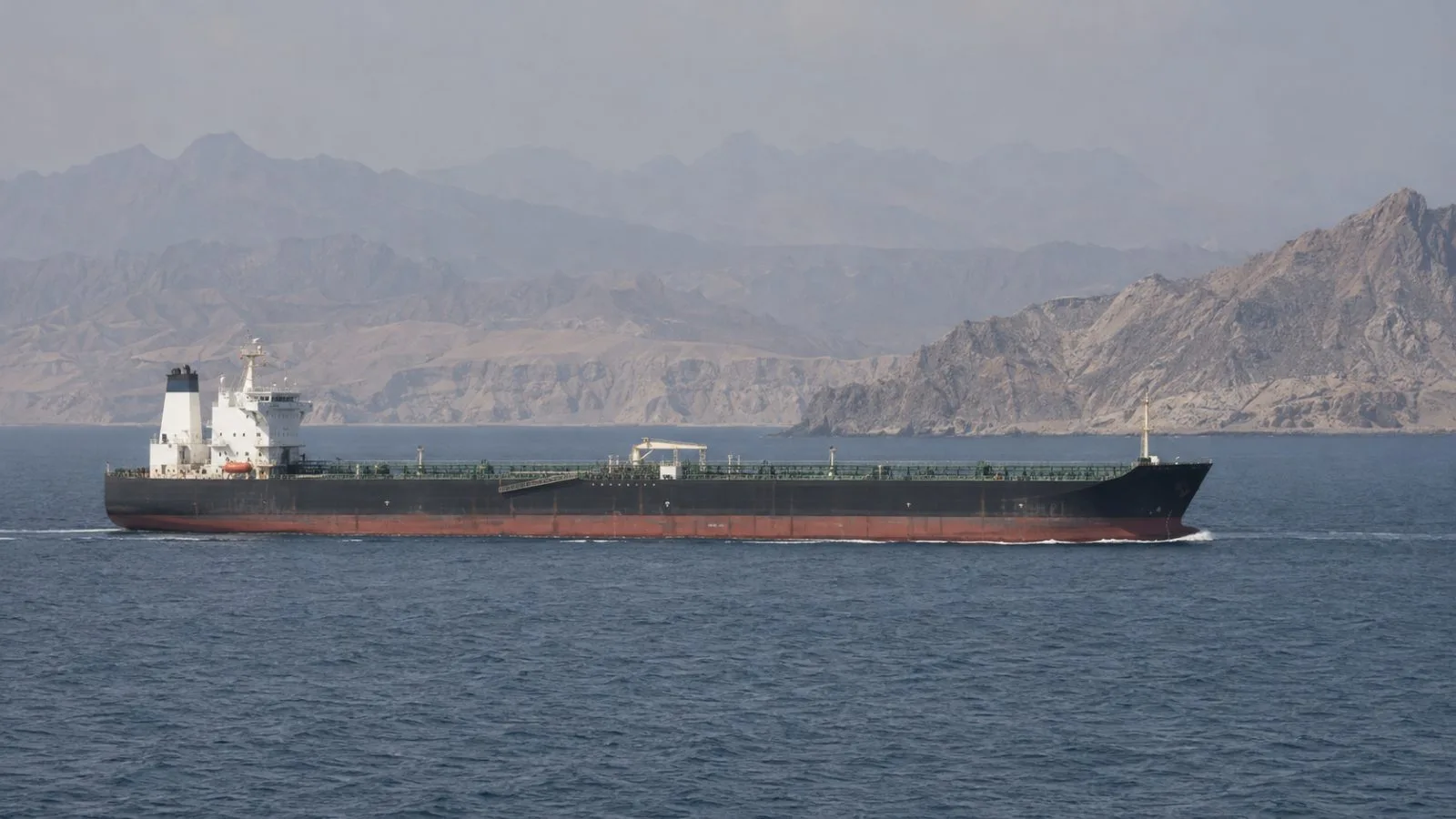
The first recipients of aid under Japan’s new program would likely be Bangladesh, Fiji, Malaysia, or the Philippines. The foreign ministry also opened a bid on Wednesday to start an OSA feasibility study in those countries, with a focus on strengthening their maritime security. Tokyo is considering providing radars to the Philippines to help Manila monitor Chinese activity in the South China Sea, according to a report by Japan’s Yomiuri newspaper on Monday.
The decision to expand the scope of Japan’s international aid to military-related projects follows Tokyo’s announcement back in December to double its defense spending in an effort to counter China.
Meanwhile, Japanese trade, economy, and industry minister Yasutoshi Nishimura told Reuters that Tokyo is looking to get the G7 countries to agree on ramping up decarbonization efforts through collaboration in an upcoming ministers’ meeting on climate, environment, and energy this month. As Japan is the G7 chair this year, the ministerial meeting will take place in Sapporo on April 15-16 ahead of the group’s summit in Hiroshima on May 19-21 to promote what Tokyo refers to as a realistic energy transition.
Nishimura told Reuters that the G7 countries all agree on the need for ramping up decarbonization and that they need to ensure energy security and economic growth at the same time.