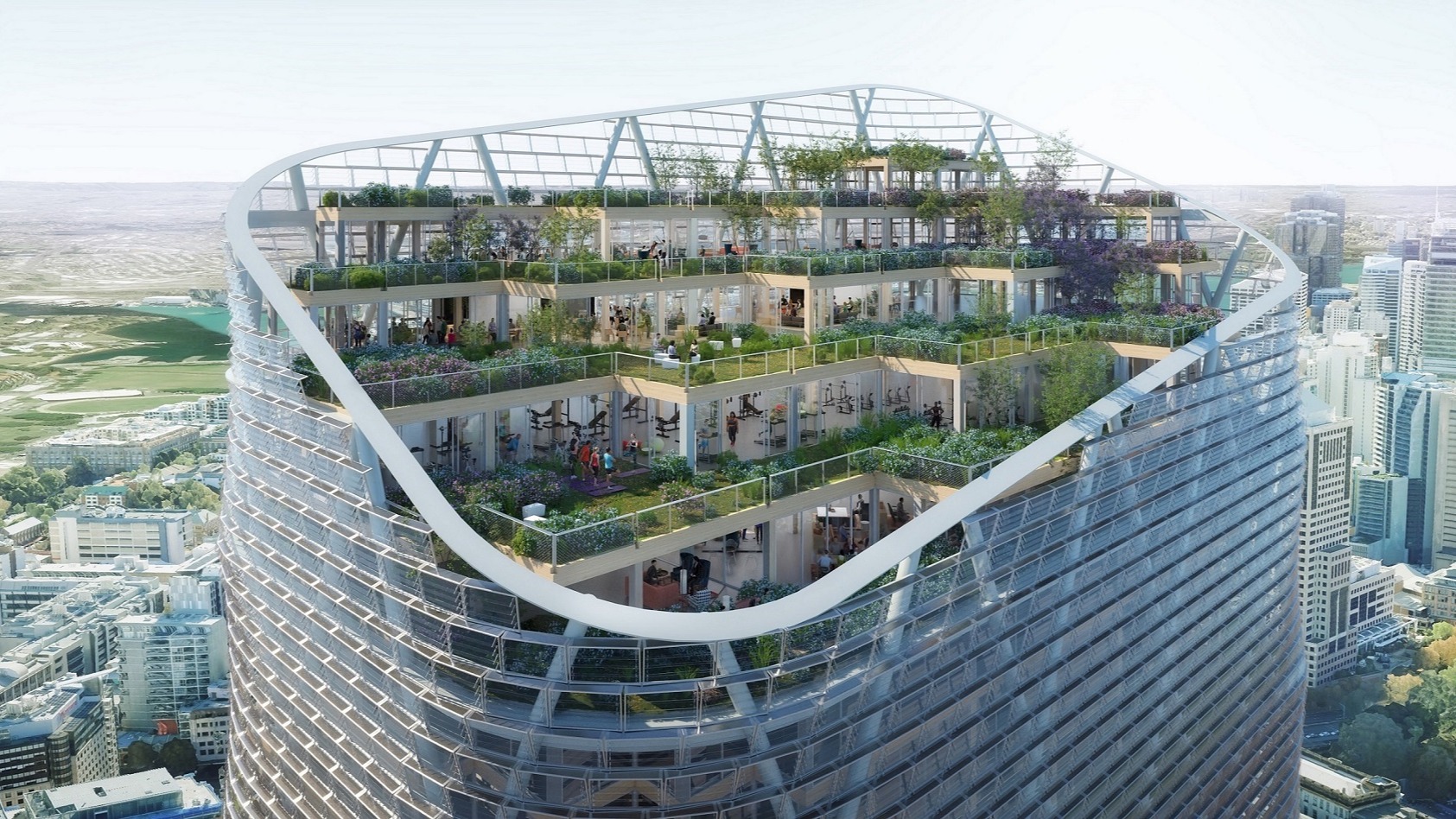
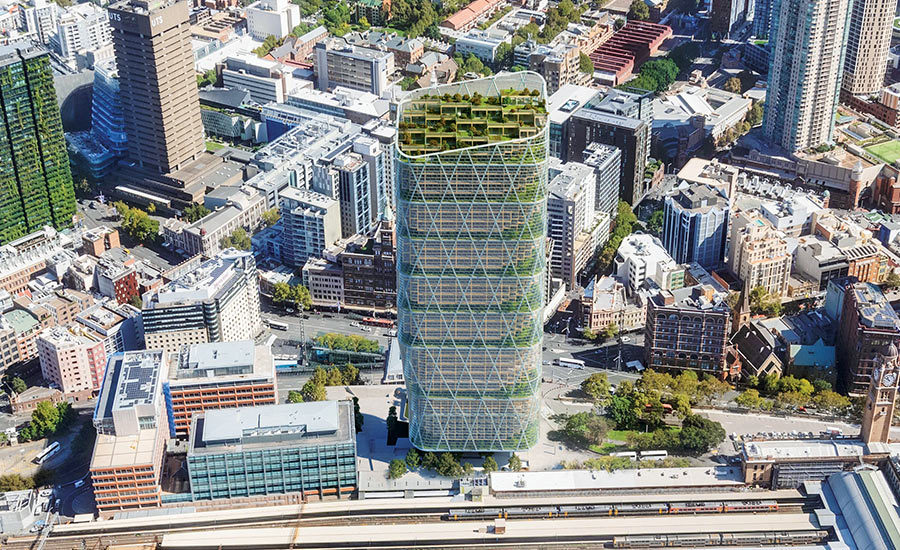
Japanese and Australian construction firms have started work on a 39-story skyscraper in central Sydney set to be the world's tallest hybrid-timber building.
Tokyo-based Obayashi Corp and Sydney-based Built Pty Ltd are using eco-friendly wood products intending to cut carbon dioxide emissions during construction by 50 percent or more compared to a conventional building project.
The tower will be entirely operated with renewable energy.
The companies plan to complete construction on the 182-meter "Atlassian Central" in 2026, to be used for offices, accommodation, and retail outlets.
A hybrid-timber construction comprised of steel frames and cross-laminated wood, or a wood panel product constructed from glued layers of sawn lumber will be featured on the seventh story and higher.
Reinforced concrete will be used below the seventh floor, including the basement, the two builders said.

What’s the difference between baking powder and baking soda? It’s subtle, but significant
Disaster or digital spectacle? The dangers of using floods to create social media content
Wildfires ignite infection risks, by weakening the body’s immune defences and spreading bugs in smoke
BlackRock CEO Larry Fink Earns $37.7 Million in 2025 Amid Record Growth
As the Black Summer megafires neared, people rallied to save wildlife and domestic animals. But it came at a real cost
France's 2025 Budget Deficit Shrinks More Than Expected, Easing Fiscal Pressure
Lake beds are rich environmental records — studying them reveals much about a place’s history
U.S. Praises Kurdistan's Role in Oil Markets Amid Iran War Fallout
Chinese Universities with PLA Ties Found Purchasing Restricted U.S. AI Chips Through Super Micro Servers
GesiaPlatform Launches Carbon-Neutral Lifestyle App ‘Net Zero Heroes’
EU and CPTPP Nations Push for Landmark Digital Trade Agreement
Google's TurboQuant Sends South Korean Chip Stocks Tumbling Amid AI Memory Demand Fears
Cybersecurity Stocks Tumble After Anthropic's Claude Mythos AI Leak Sparks Market Fears
Oil Prices Climb as Iran Reviews U.S. Peace Proposal Amid Middle East Tensions
Fertile land for growing vegetables is at risk — but a scientific discovery could turn the tide