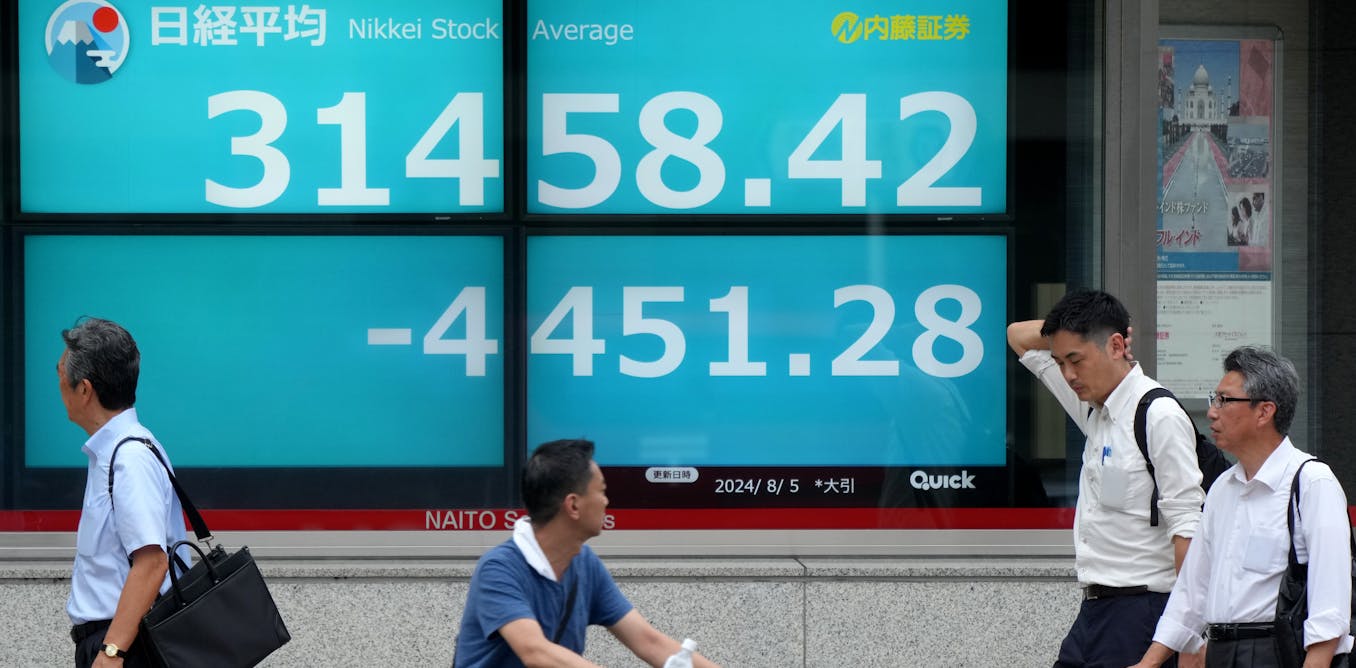
Japan’s benchmark stock index, the Nikkei 225, broke a historic barrier on Monday, soaring past 50,000 points for the first time ever. The rally was fueled by investor optimism over a massive stimulus package expected from newly appointed Prime Minister Sanae Takaichi and growing bets that the U.S. Federal Reserve will soon begin cutting interest rates.
By 00:49 GMT, the Nikkei 225 had climbed 2.1% to 50,342.25 points, marking another record high. The broader TOPIX index followed suit, jumping 1.7% to 3,326.37 points, also setting a new all-time record. October has been a stellar month for Japanese equities, with the Nikkei gaining nearly 12%, supported by strong corporate earnings and renewed confidence in Japan’s economic outlook.
Prime Minister Takaichi, who assumed office last week, is reportedly preparing a fiscal stimulus package exceeding last year’s 13.9 trillion yen (US$92 billion) plan. According to Reuters, the new package will target inflation relief, investment in growth industries, and national security initiatives, signaling aggressive government action to sustain momentum in Asia’s second-largest economy.
Adding to the bullish sentiment, recent U.S. inflation data showed weaker-than-expected consumer price growth in September, reinforcing expectations that the Federal Reserve may lower rates during its upcoming October 28–29 meeting. Lower U.S. rates typically boost global equity markets by easing financial conditions and supporting risk appetite.
Meanwhile, the Bank of Japan (BOJ) is set to meet later this week, with an interest rate decision due Thursday. Analysts widely expect the BOJ to maintain its policy rate at 0.5%, awaiting more clarity on global trade developments and the impact of U.S. tariffs.
The combination of fiscal optimism at home and dovish signals abroad has positioned Japan’s stock market for further gains, underscoring renewed investor confidence in the nation’s economic trajectory.