


 Moonshot AI Executives Seek Settlement Ahead of Hong Kong IPO
  Elon Musk Donates $366 Million to 2026 US Midterms
  Epic Games Delays Disney Shooter, Shifts to AI-First Development
  Meta Launches Muse Wonder AI Models, Shares Rise 3.7%
  Albertsons Seeks $9.3 Billion From Kroger Over Failed Merger
  Russia Approves Sberbank for Crypto Exchange Services
  Nvidia’s China AI Chip Market Share Falls to 34% as Huawei Gains Ground
  FAA Warns US Airlines Over Saudi Arabia Flight Risks
  South Korea Blocks 27 Crypto Exchange Websites in Regulatory Crackdown
  Arthur Hayes Announces FLOP Testnet Launch Within Weeks
  Hong Kong’s Second Solana ETF Launches With Lower Fees
  Apple Supplier Luxshare Faces US Patent Probe, Sees Limited Impact
  Bumble Shares Surge 50% on $1 Billion Buyout Talks
  PepsiCo Slashes Poppi Earnout Valuation as Growth Slows
  Syndax Stock Drops 15% After Axatilimab Trial Failure
  Nasdaq Faces Pullback to 26,225 Despite Bullish Outlook, UBS Says


 Add as a preferred source on Google
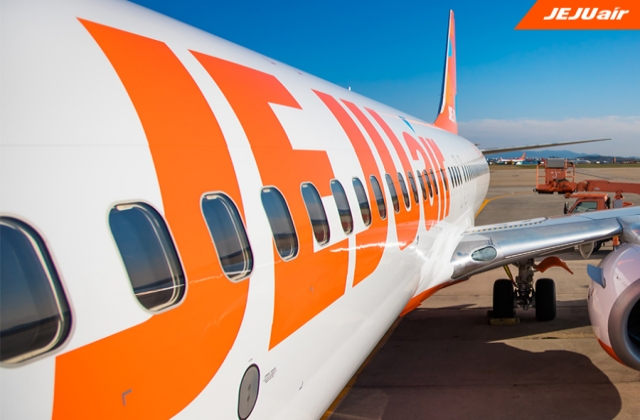
Jeju Air is being scrutinized after it was discovered that a plane was flown despite having a defect. The aircraft was said to have a damaged winglet, but the flight still proceeded.
The probe on the flight almost turned into a disaster
South Korea’s Transport Ministry just launched an investigation on one of the country’s low-budget airlines, Jeju Air. This is in connection to the plane that still took off for its scheduled flight, even with the damaged winglet.
As per The Korea Herald, Jeju Air’s flight 7C264 left Gimpo Airport on Wednesday morning, March 10, and tried to land on Gimhae International Airport’s runway in the afternoon. However, when it was landing, the aircraft started to tilt on one side. On its second attempt to land, they have noticed that the winglet seems to have some damage.
Sources revealed on Monday, March 15, that the plane still flew with passengers on board and headed back to Gimpo Airport. Apparently, regardless of the turbulent landings earlier, the airline did not see that the plane’s winglet was really damaged.
The incident raised questions about how meticulous Jeju Air is carrying out its inspections. This is because the plane has been cleared to fly, so there is a suspicion that the checking may have been done in haste.
Plus, the country’s Transport Ministry was alarmed because this is the second incident involving a Jeju Airplane that has been damaged, but the issue was not detected prior to the flights.
“Jeju Air had a similar accident on March 8, which means it flew without being aware of damage to its plane for the second time in a row and we are taking this matter seriously,” an official from the transport agency said. “Strong administrative action will be taken against the airline over the matter once the investigations are complete and any wrongdoing is found.”
How the plane got damaged
Aviation Herald reported that the plane in the Jeju Air incident is Boeing 737. Based on the narrative, the aircraft was landing at Gimhae International Airport in Busan when the winglet on the left side hit the runway.
The flight was carrying 138 passengers plus some crew when it took off from Seoul’s Gimpo Airport heading to Busan. While landing at Gimpo Airport, the plane rolled to the left just before the touchdown, and the wingtip hit the runway. The pilots then terminated the landing and flew up again at 5,000 feet, and circled before attempting another landing.
The plane finally landed and spent 90 minutes on the ground before it flew again for its next flight. It was checked by the Jeju Air maintenance team and was cleared.
While it safely landed back in Seoul, the crew at the airport finally spotted the damage. The issue was belatedly noticed, but it was fortunate that no grave accident happened during the flights.







