


 Bumble Shares Surge 50% on $1 Billion Buyout Talks
  Morgan Stanley Predicts $10 Trillion RWA Market by 2030
  Epic Games Delays Disney Shooter, Shifts to AI-First Development
  Meta Launches Muse Wonder AI Models, Shares Rise 3.7%
  Coinbase CEO Backs SEC Accredited Investor Reform
  TSMC Profit Set to Surge 65% as AI Chip Demand Drives Record Earnings
  FAA Warns US Airlines Over Saudi Arabia Flight Risks
  Hong Kong’s Second Solana ETF Launches With Lower Fees
  Samsung, SK Hynix Shares Fall as China's CXMT Advances DRAM Technology
  Airbus Tests Valkyrie Combat Drone in Europe for Eurofighter Integration
  Ethereum Foundation-Linked Wallets Move $11.13M in ETH to Kraken
  Elon Musk Donates $366 Million to 2026 US Midterms
  Canton Network Expands in South Korea With Major Partnerships
  Binance to Shut Down Crypto Mining Pool Services on November 10
  Syndax Stock Drops 15% After Axatilimab Trial Failure
  Nvidia’s China AI Chip Market Share Falls to 34% as Huawei Gains Ground
  Moonshot AI Executives Seek Settlement Ahead of Hong Kong IPO


 Add as a preferred source on Google
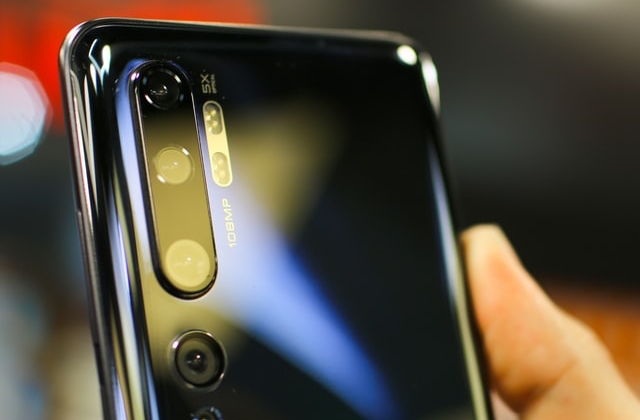
Xiaomi may be allowed to do business again in the U.S. after the country’s federal court stopped the government from prohibiting the Americans from investing in the company. This means that the restrictions against the Chinese smartphone-maker have been lifted.
The root of the ban
Under Donald Trump’s administration, Xiaomi was added to the list of companies that allegedly have ties with the Chinese military. It was the state’s Defense Department that included the tech company in the list, and this resulted in the then-president’s decision to impose financial restrictions on the company.
This prohibited businesses in the U.S. from investing and doing business with Chinese companies, including Xiaomi. This effectively blocked the smartphone manufacturer from selling or supplying its goods to U.S. clients.
Xiaomi wins in its lawsuit
However, on Friday, March 12, U.S. District Judge Rudolph Contreras of Washington temporarily blocked the Defense Department from disallowing U.S. investments in Xiaomi. The judge just canceled the ban and clearly sided with the Chinese company in its lawsuit that aims to have its name removed from the blacklisted firms.
In his decision, Judge Contreras said that the move was “arbitrary and capricious” and visibly stripped Xiaomi of its rights to due process. As per Bloomberg, the judge added that Xiaomi is also most likely to win in the lawsuit and fully reverse the ban so it can start doing business again in the U.S.
The decision was also said to have been placed to prevent the company from suffering from further irreparable harm. This is because when the prohibition was initially announced, Xiaomi was faced with the likelihood of being de-listed from the U.S. stock exchange, which in turn will lead to its removal from global benchmark indexes. When this happens, it will be a big business disaster for the company.
Finally, The Wall Street Journal reported that Judge Contreras pointed out that being a technology company doesn’t suggest a link to the Chinese military. He said that “investment in technology does not necessarily equate to military link.” He further reasoned that the U.S. was not able to convincingly show that there is such a connection between Xiaomi and the Chinese army.
“Xiaomi is a publicly-traded company that produces commercial products for civilian use, is controlled by its independent board and controlling shareholders, and is not effectively controlled or associated with others under the ownership or control of the PRC or its security services,” he said.







