


 Trump Denies Russia and China Are Helping Iran in U.S. Conflict
  Container Ship Sinks in Strait of Hormuz as Iran Attacks Escalate
  Elon Musk Donates $366 Million to 2026 US Midterms
  Trump Confirms US Intelligence Sharing With Ukraine Amid Russian Strikes
  Jordan Bardella Antisemitism Allegations Threaten Le Pen’s Campaign
  North Korea Fires Ballistic Missiles Amid Rising Tensions With South Korea
  US Condemns China Sanctions on Taiwan Allies Belize and Paraguay
  Gaza Olive Harvest Collapses as War Destroys Farmland
  Zelenskiy Says Ukraine Received No Warning Before Russian Missile Attack
  IMF Warns US Debt Crisis Needs Fiscal Action, Urges China to Boost Consumption
  Trump Warns Houthis Over Attacks, Considers Erdogan Intervention
  Zelenskiy Seeks New US Talks to Revive Ukraine-Russia Peace Negotiations
  US Recalls Nicaragua Envoy After Ambassador Rejection
  Italy’s Meloni Warns US-Russia Diesel Deal Could Weaken Ukraine Sanctions
  US Senate Midterms 2026: Key Races That Could Flip Control
  Trump Announces Massive Oil and Mineral Exploration Plans in Greenland
  US Justice Department Drops Prosecution of Ex-CIA Analyst Sue Mi Terry


 Add as a preferred source on Google
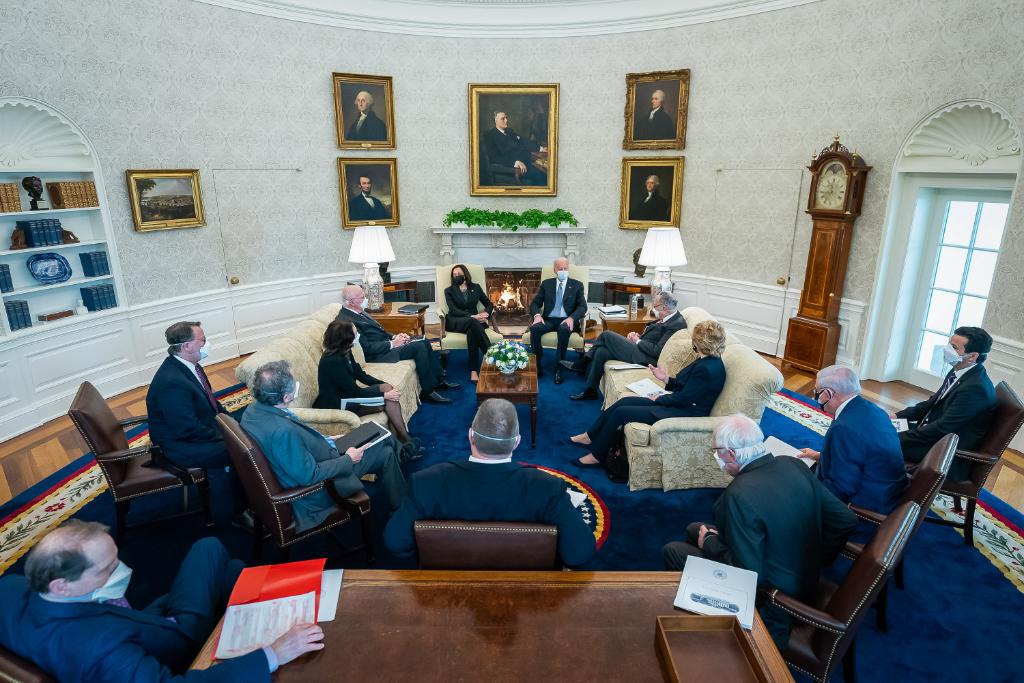
Lawmakers are still reeling from the fallout that occurred during the Capitol riots last January 6 ahead of Joe Biden’s inauguration. In the recent prayer breakfast, Biden sought to call out the “political extremism” that resulted in the violence at the Capitol.
During the National Prayer Breakfast, Biden called out the extremist views on politics that played a part in the violence that occurred last month. The event that brings together lawmakers and officials from all political ideologies was made virtual this year due to the ongoing pandemic. Biden’s four living predecessors also gave their remarks at the event, with Delaware Senator Chris Coons reading the remarks on behalf of former president Jimmy Carter. As expected, Donald Trump did not make any remarks.
“We know now that we must confront and defeat political extremism, white supremacy, and domestic terrorism,” said Biden. “For so many in our nation, this is a dark, dark, time. So where do we turn? Faith.”
Biden, the second Catholic president elected in the country, also shared how his faith gave him hope and solace, as well as clarity and purpose. “It shows the way forward, as one nation in a common purpose, to respect one another, to care for one another, to leave no one behind.”
The previous National Prayer Breakfast was highly-criticized, as Trump used the event to blast his critics as it was in the wake of his acquittal by the Senate during the first impeachment trial. Trump singled out House Speaker Nancy Pelosi and Utah Senator Mitt Romney, who voted to convict Trump during the previous prayer breakfast in his attack.
At the same time, Biden addressed foreign policy during his visit to the State Department where he announced the end of US support for offensive operations in the ongoing conflict in Yemen including arms sales. However, Biden added that the US will continue to support Saudi Arabia in defending its sovereignty and territory. In light of the ongoing conflict in Yemen and in an effort to engage on a more diplomatic level, Biden appointed US diplomat Timothy Lenderking as a special envoy for Yemen.







