


 Samsung, SK Hynix Shares Plunge as China Chip Competition Grows
  Bank of America Predicts Yen Rebound as USD/JPY Faces Risks
  Arthur Hayes Announces FLOP Testnet Launch Within Weeks
  European Auto Stocks Rise as EU-China Trade Deal Targets Hybrid Imports
  Airbus Tests Valkyrie Combat Drone in Europe for Eurofighter Integration
  The ghost of Robodebt – Federal Court rules billions of dollars in welfare debts must be recalculated
  1 in 3 uni students experience serious financial hardship. Could concession cards for all help?
  Canton Network Expands in South Korea With Major Partnerships
  Can your cat recognise you by scent? New study shows it’s likely
  Bumble Shares Surge 50% on $1 Billion Buyout Talks
  US Stock Futures Rise as Oil Prices Fall Ahead of Q3 Earnings
  Deutsche Bank CEO Urges Faster German Economic Reforms
  Nasdaq Faces Pullback to 26,225 Despite Bullish Outlook, UBS Says
  Trump Defends Russian Diesel Deal Amid US Sanctions Backlash
  Oil Prices Rise as Houthi Attacks Threaten Middle East Supply


 Add as a preferred source on Google
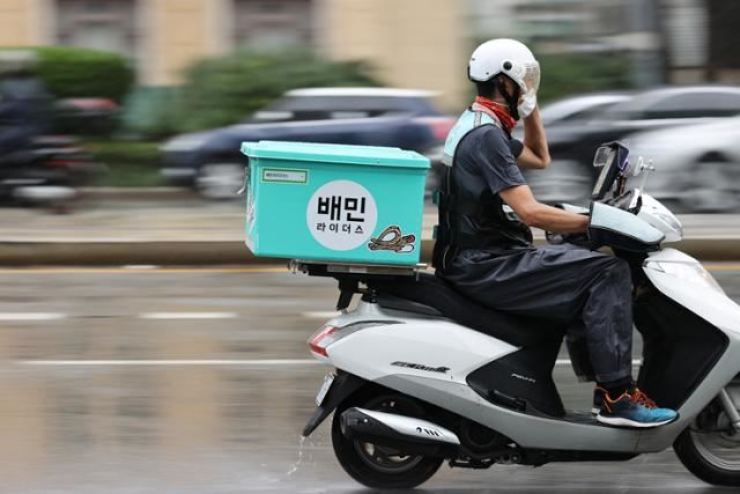
South Korea's No.1 food delivery service, Baedal Minjok (Baemin), will no longer take payments on delivery as part of its efforts to strengthen its contactless payment system while reducing consumers' possible exposure to crime.
A Woowa Brothers official noted that delivery people were asked to leave the food at the door whenever customers had already paid online.
The official added that just a few pay on the spot anyway and that the delivery drivers don't carry cash to give change.
Meanwhile, restaurants that employ their own drivers still have the option to receive cash.
There are also concerns over the possibility of crimes committed by drivers as they are able to engage with customers in person and can easily find people's home addresses and other personal information.
According to an industry observer, Baemin's strategy would prompt other delivery players to consider other methods to adopt contactless payment.
However, some customers complain that the new payment system restricts them from using a company card or local business voucher.
But Woowa Brothers said its restaurants using Baemin 1 and Baemin Riders have never accepted business vouchers and that customers who wish to use a company card can register it on Baemin's mobile application.







