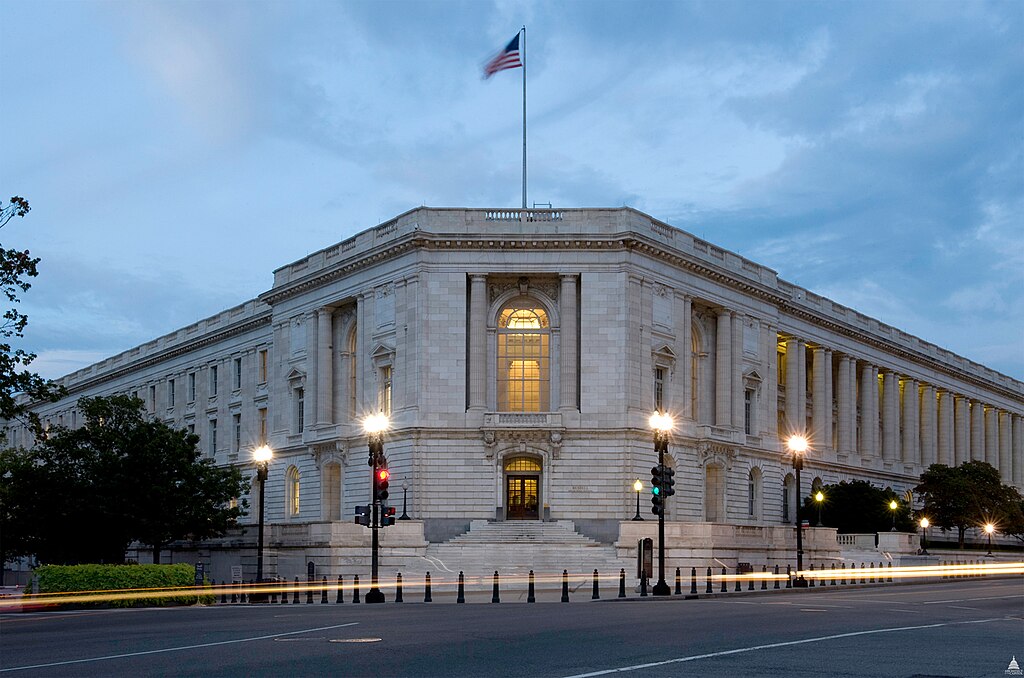
In a sharp rebuke to President Donald Trump, the U.S. Senate passed a bill on Wednesday to halt newly proposed tariffs on Canada, just hours after Trump announced sweeping duties on global imports. The bill, approved 51-48, was backed by four Republican senators crossing party lines to join Democrats, highlighting growing concerns over economic fallout from the tariffs.
The legislation seeks to terminate a national emergency declared by Trump on January 22, which he linked to illegal fentanyl imports from Canada, Mexico, and China. Using this emergency, Trump imposed steep tariffs on Canadian goods, despite limited data supporting the threat—only 0.2% of fentanyl seized in the U.S. comes from Canada.
Senators Susan Collins, Lisa Murkowski, Mitch McConnell, and Rand Paul defied Trump’s last-minute social media plea urging them to vote against the bill. Collins argued that the tariffs would harm industries in Maine, particularly paper manufacturers that rely on Canadian pulp. Paul also criticized the economic impact of the tariffs during his Senate remarks.
Senate Majority Leader John Thune opposed the bill, warning it could embolden drug cartels to shift operations northward. However, Democratic Senator Tim Kaine, the bill’s main sponsor, countered that the U.S.-Mexico-Canada Agreement (USMCA) already includes mechanisms to resolve trade disputes without unilateral tariffs.
Though the bill now heads to the House of Representatives, it faces uncertain prospects. Still, the Senate vote marks a significant pushback against Trump’s aggressive trade strategy and highlights bipartisan resistance to tariffs that could strain U.S.-Canada relations and impact American industries.
By targeting key issues like Canadian tariffs, cross-border trade, fentanyl imports, and Senate votes, this article boosts SEO while keeping readers informed on critical U.S. trade policy developments.