


 Elon Musk Donates $366 Million to 2026 US Midterms
  Airbus Tests Valkyrie Combat Drone in Europe for Eurofighter Integration
  Amazon in Talks to Acquire AI Startup Decart for $7 Billion
  Moonshot AI Executives Seek Settlement Ahead of Hong Kong IPO
  Coinbase CEO Backs SEC Accredited Investor Reform
  South Korea Blocks 27 Crypto Exchange Websites in Regulatory Crackdown
  TSMC Profit Set to Surge 65% as AI Chip Demand Drives Record Earnings
  Russia Approves Sberbank for Crypto Exchange Services
  Yandex Data Center Hit by Drone Strike as Russia-Ukraine Cyber Infrastructure Attacks Escalate
  Nvidia’s China AI Chip Market Share Falls to 34% as Huawei Gains Ground
  Orsted to Take Full Ownership of UK Offshore Wind Farm for £15 Million
  Apple Cuts iPhone 18 Pro Production Orders Amid Weak Demand
  OpenAI Annualized Revenue Hits $50 Billion, Below Earlier Estimates
  Arthur Hayes Announces FLOP Testnet Launch Within Weeks
  TSMC Q3 Revenue Beats Estimates as AI Chip Demand Surges
  FAA Warns US Airlines Over Saudi Arabia Flight Risks
  Meta Launches Muse Wonder AI Models, Shares Rise 3.7%


 Add as a preferred source on Google
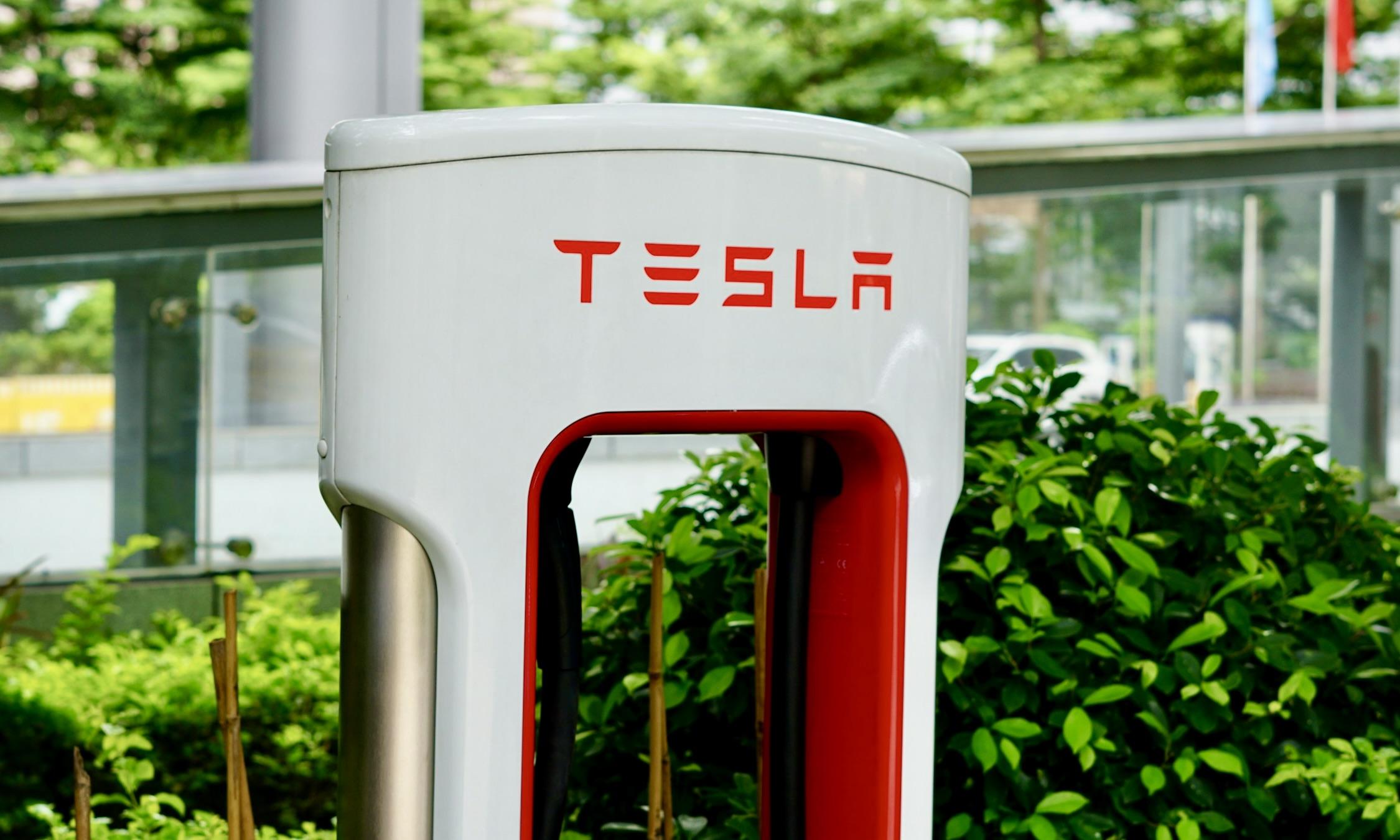
A Kia EV6 and Hyundai Ioniq 5 were recently observed charging at a Tesla Supercharger, suggesting native NACS support could be on the horizon.
Hyundai and Kia Seen Charging at Tesla Supercharger
Using a native NACS port to charge, a Hyundai Ioniq 5 and a Kia EV6 were observed at a supercharger. This could mean that native NACS support is on the way.
Sam Abuelsamid, a freelance car journalist, saw the encounter yesterday at a Supercharger that had a Magic Dock. Given that Abuelsamid resides in Ypsilanti, Michigan, where a Magic Dock charger is available, it is reasonable to assume that this charger is the same one.
On Threads, Abuelsamid made a post about it:
Even though they're covered with cladding, the Hyundai and Kia cars are easy to see. However, the Hyundai is connected straight to the standard Supercharger port, as opposed to Abuelsamid's Mach-E, which was using the Magic Dock.
First Non-Tesla Vehicles Charging with Native NACS Connection
What makes this fascinating is that it might be the first non-Tesla vehicle we've seen publicly charging using a native NACS connection instead of an adapter.
Per Electrek, currently, Tesla's NACS website lists Ford and Rivian as two manufacturers that are "supported" for Supercharging using adapters. General Motors, Volvo, Polestar, and Mercedes will soon have assistance, it adds. Neither Hyundai nor Kia are mentioned on Tesla's website, and neither a charger nor word of its imminent arrival has reached us.
Although they were a little slow to jump on the NACS announcement bandwagon, the two companies have been crushing it in the electric vehicle sales department.
Hyundai and Kia Set to Lead NACS Deployment
With the discovery of their NACS charging capabilities, Hyundai and Kia are now in a position to potentially lead the pack when it comes to the development of their NACS deployment.
The majority of car companies have stated their intention to distribute adapters initially, with the adoption of a native port following. The announcement from Hyundai and Kia, however, said that native ports will be available at the tail end of 2024 and that current customers will begin to receive adapters in the first quarter of 2025.







