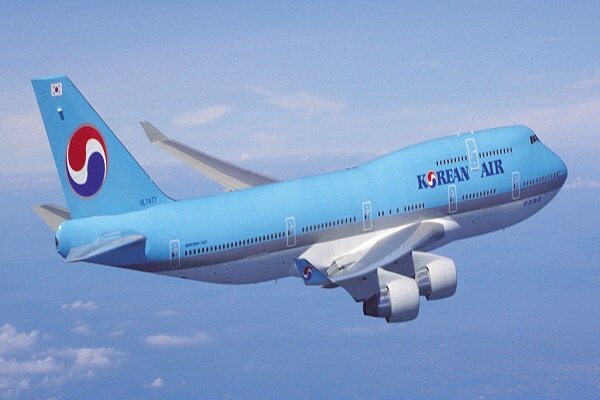
Korean Air Lines Co. has signed a five-year deal to purchase sustainable aviation fuel (SAF) from the British firm Royal Dutch Shell plc. beginning in 2026 to help combat climate change.
According to Korean Air, it will receive SAF from Shell at major airports in the Asia-Pacific and the Middle East regions.
The Korean flag carrier will continue to explore partnerships with other global oil firms to secure SAF for Europe and the United States.
In November 2017, Korean Air became the first Korean airline to employ SAF on a flight between Incheon and Chicago. It started using SAF on flights between Incheon and Paris in February of this year.
SAF, also known as alternative aviation fuel, is made from basic materials such as used cooking oil, home garbage, and industrial waste gas.
In the aviation sector, SAF has become a crucial instrument for reducing carbon emissions since, when compared to fossil-derived jet fuel, it may do so by as much as 80 percent.



AstraZeneca Halts Phase III Volrustomig Lung Cancer Trial After Efficacy Setback
European Stocks Steady as U.S.-Iran War, Euro Zone Data Keep Investors Cautious
US Dollar Slips as Soft Economic Data Eases Fed Rate Hike Expectations
Anthropic Eyes $6B Decart AI Acquisition Ahead of Mega IPO
Paramount Skydance Clears Regulatory Hurdles for Warner Bros. Discovery Deal
Ferrari Luce EV Sells for Record $40 Million at Charity Auction
Bernstein Picks BYD and Xiaomi as Top China EV Stocks Despite Weaker Demand
KOSPI Eyes Best Weekly Gain Since June as Samsung, SK Hynix Rally
Barclays Warns U.S. Stock Rally May Be Detached From Fundamentals
Morgan Stanley Sees Fed Holding Rates as U.S. Inflation Cools
Nvidia Eyes $3 Billion Investment in SoftBank-Backed AI Data Center
NAB Q3 Cash Earnings Rise 2% as Lower Credit Charges Boost Profit
LG, Nvidia Expand AI Partnership With Humanoid Robots, AI Factories
Alphabet Eyes First Australian Dollar Bond as AI Spending Drives Funding Push
Thyssenkrupp Raises 2026 Profit Outlook as Steel and Materials Units Strengthen
Oil Prices Fall as U.S. Crude Inventories Surge and Hormuz Tensions Persist 


