


 Coinbase CEO Backs SEC Accredited Investor Reform
  Syndax Stock Drops 15% After Axatilimab Trial Failure
  Elon Musk Donates $366 Million to 2026 US Midterms
  Hong Kong’s Second Solana ETF Launches With Lower Fees
  Arthur Hayes Announces FLOP Testnet Launch Within Weeks
  Canton Network Expands in South Korea With Major Partnerships
  European Auto Stocks Rise as EU-China Trade Deal Targets Hybrid Imports
  Moonshot AI Executives Seek Settlement Ahead of Hong Kong IPO
  Russia Approves Sberbank for Crypto Exchange Services
  Nvidia’s China AI Chip Market Share Falls to 34% as Huawei Gains Ground
  Meta Launches Muse Wonder AI Models, Shares Rise 3.7%
  Nasdaq Faces Pullback to 26,225 Despite Bullish Outlook, UBS Says
  PepsiCo Slashes Poppi Earnout Valuation as Growth Slows
  South Korea Blocks 27 Crypto Exchange Websites in Regulatory Crackdown
  Apple Supplier Luxshare Faces US Patent Probe, Sees Limited Impact
  Samsung, SK Hynix Shares Fall as China's CXMT Advances DRAM Technology


 Add as a preferred source on Google
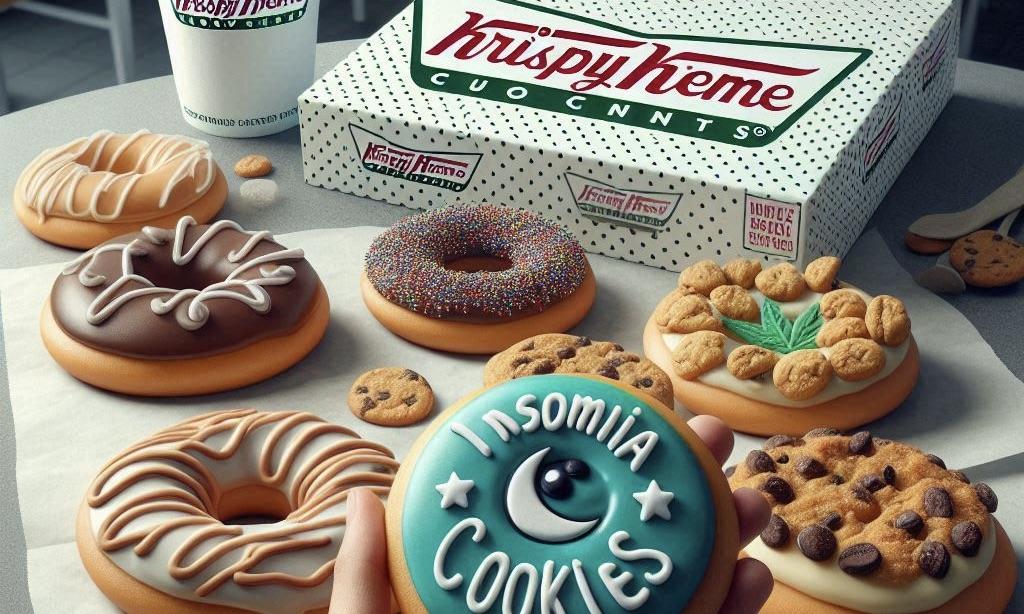
Krispy Kreme announced on July 22 that it sold a majority stake in Insomnia Cookies to Mistral Equity Partners and Verlinvest for $350 million. The doughnut chain retains a 34% ownership stake.
Krispy Kreme Sells Majority Stake in Insomnia Cookies for $350 Million, Plans Major Expansion of Doughnut Delivery Network
Krispy Kreme disclosed on July 22 that it had divested itself of a majority ownership stake in Insomnia Cookies.
Mistral Equity Partners and Verlinvest acquired ownership of the doughnut chain. The total enterprise value of $350 million is twice as high as in 2018 when Krispy Kreme acquired it. The brand will maintain a minority stake of approximately 34%.
On March 31, Insomnia Cookies concluded operations in 277 locations nationwide. When Krispy Kreme acquired a predominant stake in the concept, there were 135 units. In February 2023, the organization declared it had sufficient space to establish 4,000 locations globally.
According to CEO Josh Charlesworth, the transaction enables the brand to enhance its hub-and-spoke model of delivering fresh doughnuts to grocers, filling stations, convenience stores, pharmacies, restaurants, and other locations, strengthening its balance sheet.
Krispy Kreme received $127.4 million for the sale and anticipates receiving an additional $45 million in the upcoming weeks following the refinancing of Insomnia Cookies' debt. The company intends to allocate earnings to expand its doughnut delivery business, reduce debt, and increase availability. According to WSJ, Krispy Kreme has agreed to supply doughnuts to McDonald's restaurants nationwide. Its overarching objective is to establish 15,000 points of access (locations where doughnuts can be delivered) in the United States by the conclusion of 2026.
“Following a thorough review, we are confident that Verlinvest and Mistral are the right partners to share in the success of Insomnia Cookies given their food industry experience and long-standing track record of value creation,” Charlesworth said.
Insomnia Cookies Founder Seth Berkowitz to Continue as CEO Amid Growth-Focused Partnership with Verlinvest and Mistral Equity Partners
In 2003, Seth Berkowitz established the brand as a student at the University of Pennsylvania. The concept was dubbed "Insomnia" because stores are open until 3 a.m. Additionally, they are frequently situated nearby, serving many people compelled to work late. Berkowitz will continue to serve as CEO following the transaction.
Verlinvest is an international family-owned investment corporation concentrating on lifestyle, consumer technology, health, and fast-moving consumer goods. Its portfolio includes Oatly, Tony's Chocolonely, K1 Speed, Vita Coco, and Mutti.
“We are enthusiastic about our investment in Insomnia Cookies, an incredible brand so close to our core DNA and at a pivotal point in its growth trajectory. We’re eager to support Seth and help unlock the full potential of the business both in the U.S. and internationally,” Clément Pointillart, Verlinvest managing director, said in a statement.
New York City-based Mistrial Equity Partners is a private equity firm specializing in investing in North American companies with enterprise values ranging from $100 million to $300 million. Previous investments have included Jamba, Lovesac, OneSpaWorld, Biote, ARKO, Vino Volo, and Shearer's Foods.
“We are excited to partner with the company through the next phase of its growth. Having known Seth since 2004, we are delighted to have the opportunity to work with him again as well as the best-in-class teams at Krispy Kreme and Verlinvest,” Mistrial Equity Partners CEO Andrew Heyer said in a statement.







