


 Samsung, SK Hynix Shares Plunge as China Chip Competition Grows
  Epic Games Delays Disney Shooter, Shifts to AI-First Development
  Solidigm Taps Goldman, Morgan Stanley for $10 Billion US IPO
  Moonshot AI Executives Seek Settlement Ahead of Hong Kong IPO
  Nvidia’s China AI Chip Market Share Falls to 34% as Huawei Gains Ground
  Elon Musk Donates $366 Million to 2026 US Midterms
  Robinhood Chain Eyes Priority Gas Auctions for Faster Trades
  Apple Names Steve Smith M&A Chief in Leadership Shakeup
  Tencent Shares Fall as $5 Billion AI Bond Sale Weighed
  Visa Wins China Approval to Prepare Domestic Payments Expansion
  Apple Cuts iPhone 18 Pro Production Orders Amid Weak Demand
  Nasdaq Faces Pullback to 26,225 Despite Bullish Outlook, UBS Says
  Bumble Shares Surge 50% on $1 Billion Buyout Talks
  Ethereum Foundation-Linked Wallets Move $11.13M in ETH to Kraken
  TSMC Profit Set to Surge 65% as AI Chip Demand Drives Record Earnings


 Add as a preferred source on Google
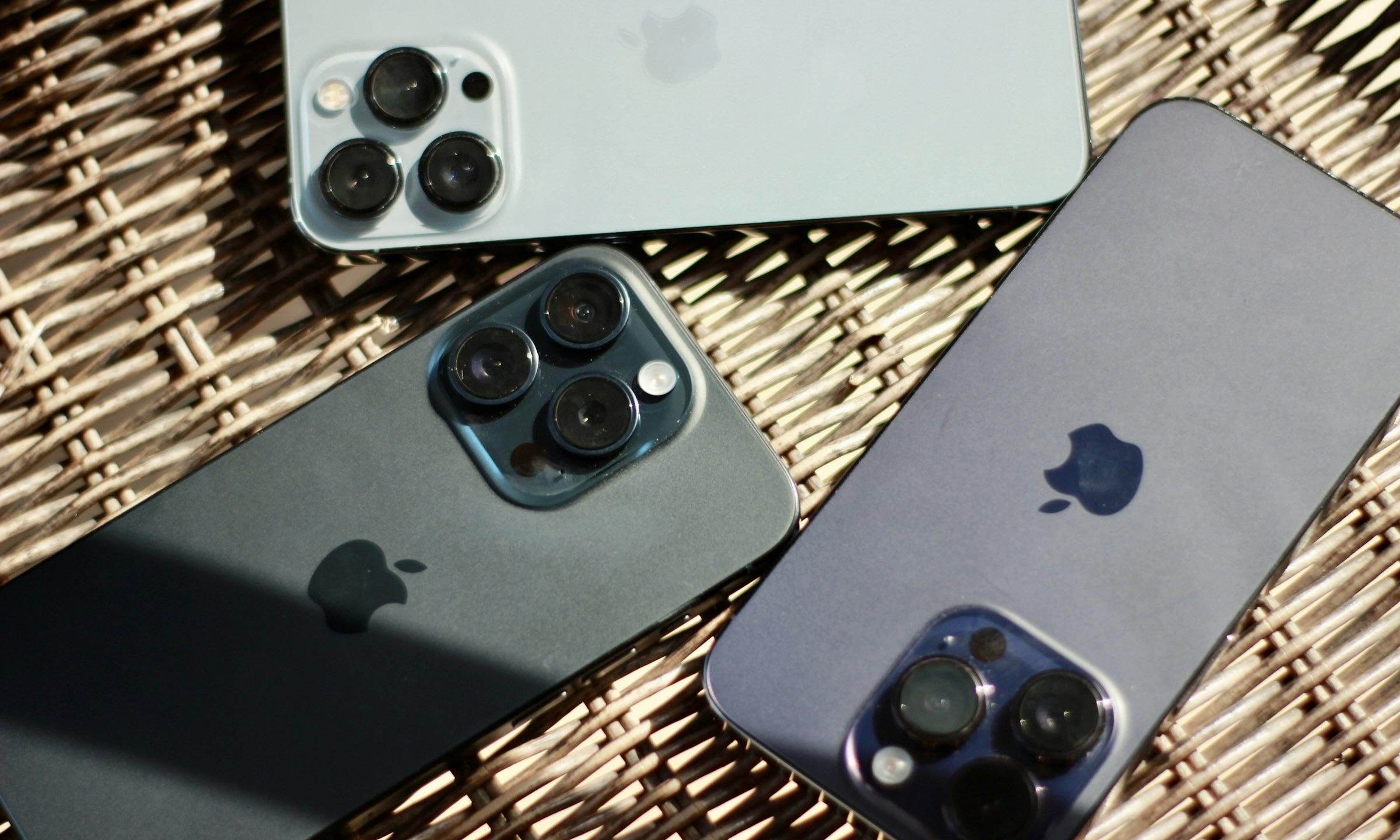
India's reduction of import tax on smartphones from 20% to 15% will directly benefit Apple, which imports high-end iPhones despite increasing local production.
High-End iPhone Models to Benefit from Tax Cuts Despite Local Production
Apple, which continues to import its high-end iPhones into the nation despite boosting local production, will directly profit from India's decision to slash import tariffs on mobile phones and some crucial parts to 15% from 20%.
On Tuesday, India's finance minister, Nirmala Sitharaman, presented the annual budget for 2024/25 to parliament. She stated that the import tax on mobile phones, printed circuit board assembly (PCBA), and mobile chargers is necessary to protect the "interest of consumers."
According to Neil Shah, a co-founder at Counterpoint Research in Hong Kong, a 5% cut in tax on the smartphones would bring in $35-50 million per year for Apple. India imports about 10-12% of Apple's iPhones annually.
According to Reuters, Apple still ships some of its more expensive Pro and Pro Max iPhones to India, even though the company has increased local manufacturing in the nation with the help of contract manufacturers like Foxconn and the Tata Group of India.
Apple's Imported Components to Gain from Tax Reductions
The iPhone maker "will directly benefit ... they (also) have some models for which PCBAs are still being imported," he added.
This change will also make it easier for new companies to join the market by reducing import charges. "It's a game changer for them," he explained.
Someone with knowledge of the situation also mentioned that other manufacturers, including Samsung, will reap some benefits, though not as much because most of their cell phones are manufactured domestically.
A request for comment was not promptly responded to by Apple and Samsung.
If you believe Counterpoint (via Investing.com), Apple controls 6% of the smartphone market in India.
Reuters states that in January, India's deputy IT minister discreetly pushed for a decrease in mobile phone import levies, claiming that the nation must "act fast" to entice global corporations with lower tariffs or risk falling behind China and Vietnam in the competition to become a major smartphone export hub.
India's Strategy Boosts Smartphone Manufacturing and Attracts Major Tech Firms
Many tech companies have set up shop in India, including Apple, Xiaomi, Samsung, and Vivo, thanks to Prime Minister Narendra Modi's recent push for the country to become a smartphone manufacturing hub and the country's $24 billion domestic production strategy, which includes mobile phones.
A Chinese company called Xiaomi has previously requested tariff reductions on parts used in phone cases, such as USB cords and batteries.







