


 Samsung, SK Hynix Shares Fall as China's CXMT Advances DRAM Technology
  TSMC Profit Set to Surge 65% as AI Chip Demand Drives Record Earnings
  Trump Defends Russian Diesel Deal Amid US Sanctions Backlash
  Oil Prices Surge Above $106 After Deadly Saudi Airport Attack
  Oil Prices Fall as Russia Signals Higher Diesel Exports
  Airbus Tests Valkyrie Combat Drone in Europe for Eurofighter Integration
  Bumble Shares Surge 50% on $1 Billion Buyout Talks
  Hong Kong’s Second Solana ETF Launches With Lower Fees
  South Korea Blocks 27 Crypto Exchange Websites in Regulatory Crackdown
  US Stock Futures Rise as Oil Prices Fall Ahead of Q3 Earnings
  PepsiCo Slashes Poppi Earnout Valuation as Growth Slows
  Deutsche Bank CEO Urges Faster German Economic Reforms
  Ethereum Foundation-Linked Wallets Move $11.13M in ETH to Kraken
  Trump Calls for Zelenskyy Replacement Amid Russian Diesel Deal
  RBA Signals More Rate Hikes as Inflation Risks Rise
  Binance to Shut Down Crypto Mining Pool Services on November 10
  Gold Prices Rebound as Dollar Weakens Ahead of US Inflation Data


 Add as a preferred source on Google
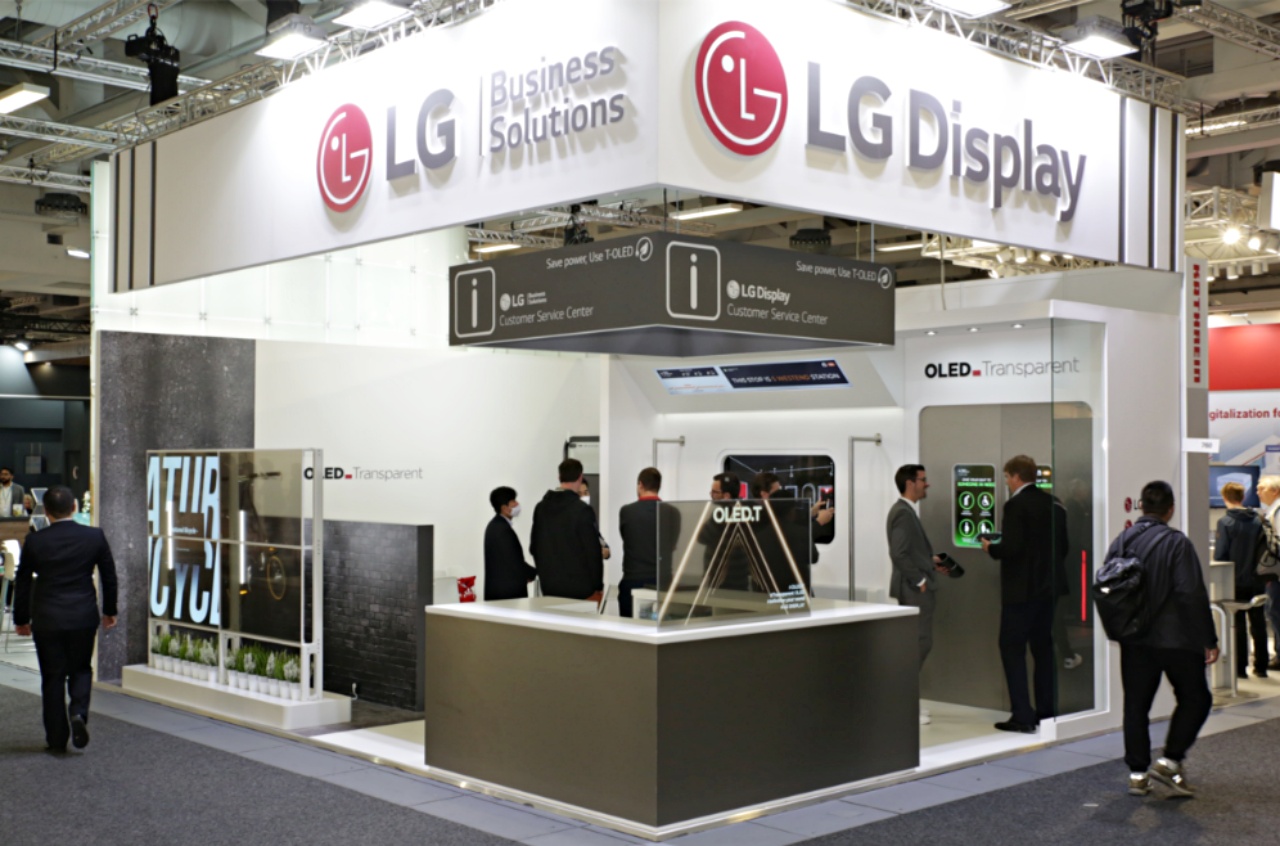
LG Display is halting activities in its production plant in Paju, Gyeonggi Province. This means the company will stop manufacturing LCD TV panels as the factory is shutting down this month.
According to The Korea Times, LG Display made the decision to close its LCD TV plant in South Korea this year because it is losing its competitiveness in the flat-screen display market. Business insiders said that this was due to the growing number of Chinese rivals that are making the same product but are sold at much cheaper prices.
As a result of the Paju plant’s closure, LG Display is also expected to put an end to its production of LCD TV panels at its P7 plant. This facility was completed in 2005 and started producing the panels the following year. The products that were manufactured here made the company, the leading LCD producer.
However, Chinese rivals cropped up and flooded the market with cheaper LCD panel products. These firms received large amounts of subsidies from their government and this was why they were able to offer LCDs at much lower prices.
But while the Chinese LCD panel producers prosper, LG Display started to lose sales, and its LCD business has been dropping since 2017. It continued in the next years, and the demand declined. This has led to the decision to shut down its Paju plant.
"The P7 is going to be closed six months to a year ahead of what we have said," LG Display’s chief financial officer, Kim Sung Hyun, said during the recent investors’ earnings conference call for Q3. "We cannot clearly tell the specific time as we are communicating with our customers and employees."
A business analyst also commented that the company may do better with its OLED business. This unit may grow fast and make up for the decline of its LCD biz. "In the second half of the year, it is expected that the company will make an operating profit of 900 billion won by improving the panel profit ratio and normalizing its OLED business thanks to the recovery of set demand," the analyst stated.







