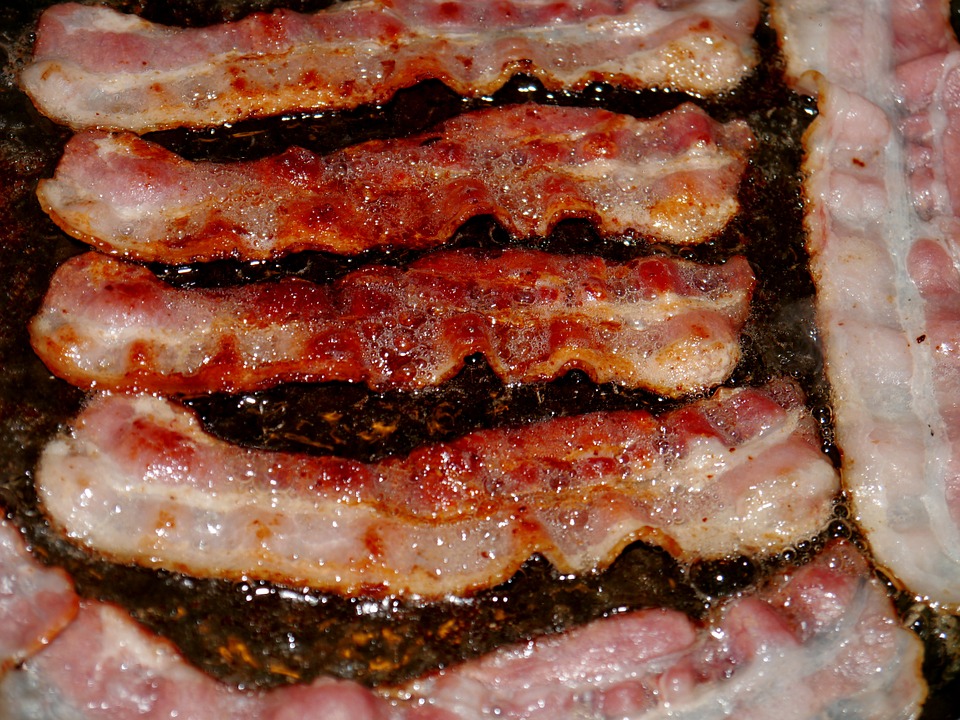
Bacon is one of the most popular foods among Americans, but climate change has increased the chance of a bacon shortage. With this being the case, perhaps lab-grown bacon will finally get the chance to muscle into pork’s territory. This could also give vegans the chance to enjoy the delicious fried food again, though only if they don’t mind the fact that it’s also grown via pig cells.
Lab-grown meat is becoming incredibly popular of late, with companies working on creating an alternative way of satisfying protein cravings besides growing livestock. A research paper that was recently published looks into the possibility of making pork meat artificially. What makes their method unique is the absence of animal serum, which is essential for the healthy growth of the meat created by other companies.
Suffice it to say, the researchers succeeded, which puts them much closer to the ultimate goal of creating meat substitute or actual meat without the need for actual livestock. Doing so would be a monumental achievement because it would put humanity on a path of 100 percent efficiency in at least one field of food production. In a recent interview, the paper’s author Nicholas Genovese explains how their method of producing meat is superior to the current method, which is livestock farming.
“Ideally, we believe that our process can be much more efficient than (feed) consumption by cattle because we’re only producing the product that the consumer wants — muscle,” Genovese said.
On that note, even with the rise of lab-grown meat, traditional livestock companies don’t have to worry about their business getting affected just yet. There are still numerous factors to take into consideration before lab-grown bacon or meat, in general, becomes a big enough industry to replace current meat production.
For starters, lab-grown meat is still incredibly expensive, Futurism reports. There’s also the matter of taste, which will take some getting used to. Finally, it’s a fair bet that the public will take a while to warm up to the idea of eating food that’s grown in a petri dish.