The laptop was the first example of how modern technology meant for larger functionality could become mobile, and its existence is thanks to John Ellenby, whose company introduced the first laptop. Ellenby died on August 17, in San Francisco, leaving behind a legacy that will likely last for decades to come.
Ellenby was 75 when he passed, The New York Times reports, though the cause is still unknown. His son confirmed the British engineer and technology icon’s passing.
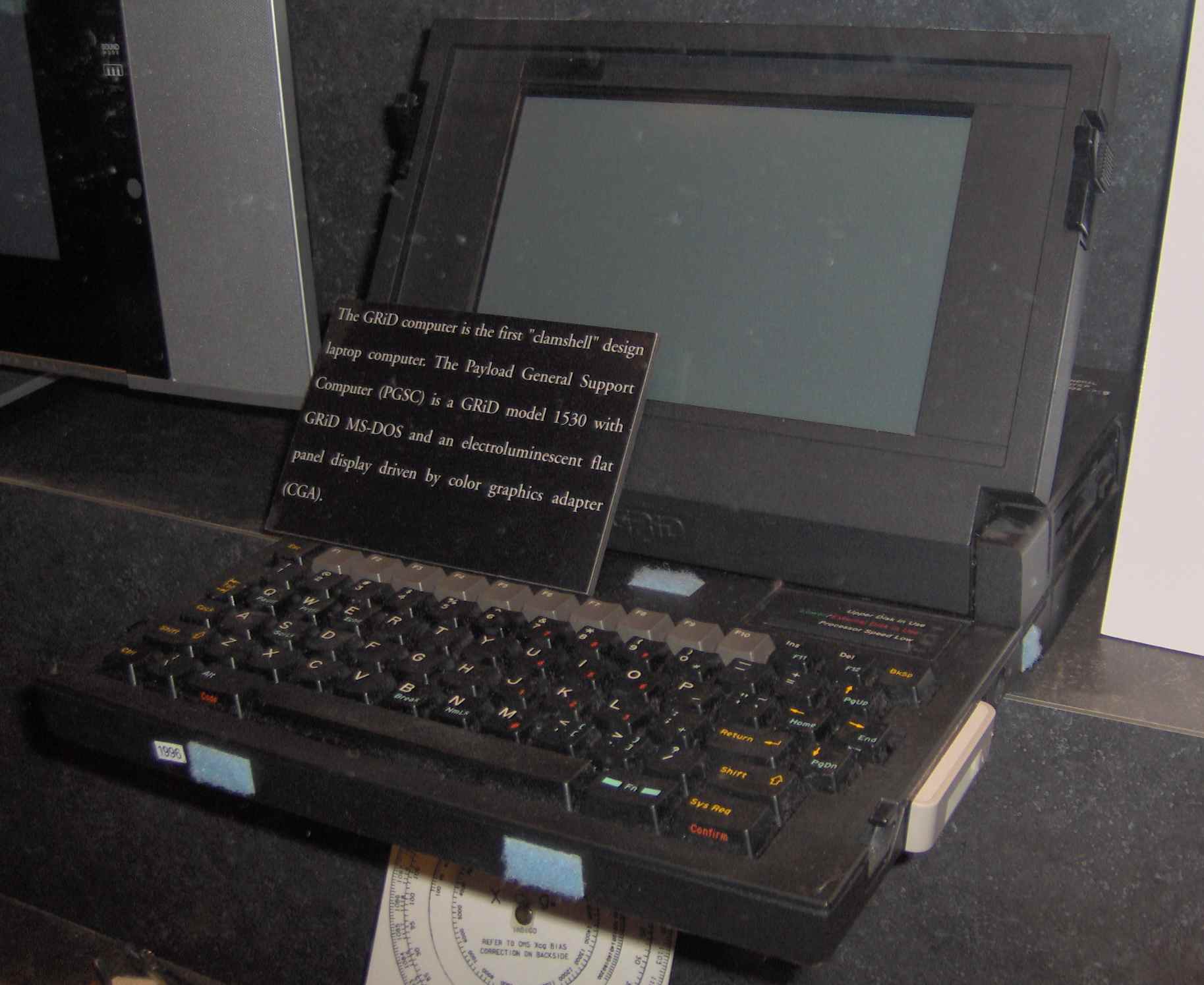
The very first laptop was introduced back in 1982 called the Compass. Ellenby and his company, Grid Systems introduced the Compass to the general public, which was an astonishing accomplishment, considering how desktop computers were just starting to spread among the general population at the time.
The Compass was shaped like a clam, had peg supports to prop it up and was incredibly heavy to carry around. Even so, the fact that it was portable made it an attractive prospect for those who needed mobility in their line of work.
To put Ellenby’s accomplishment in perspective, the Macintosh arrived two years after the Compass was launched. As a block-shaped, desktop, it was still far behind on the trends even then.
When it came out, only government officials could afford to get the unit, CNN reports since it was far too expensive for common households. At $8,150, the asking price for the Compass was beyond what average families could afford. It was quite popular among government agencies, however, with NASA engineers being quite taken with the technology.
These days, it’s easy to take laptops for granted, especially with mobile devices having long since surpassed PCs in terms of usage and sales. People tend to forget that it was only until 2005 that the laptop finally outsold the desktop, and now it’s seeing a downward trend.
Ellenby showcased his propensity to imagine technologies far beyond his time once again by co-founding GeoVector in the 90s. GeoVector was involved in augmented reality, the technology that popular trends like “Pokemon Go” are based on.