Lithuania’s economy has gone from strength to strength since it gained independence in 1990. Rooted in strong industrial performance, Lithuania’s economy continues to outperform that of its neighbours.
Thirty-five years after Lithuania gained its independence from the Soviet Union, the country has experienced significant economic growth combined with rapid modernisation.
Lithuania’s economy has shown surprising resilience after challenging market conditions, particularly when compared to its neighbours.
According to World Bank data, Lithuania’s GDP in 1995 was US$7.92bn, now, it is over US$79.79bn and expected to continue to grow by 3.1% in both 2025 and 2026.
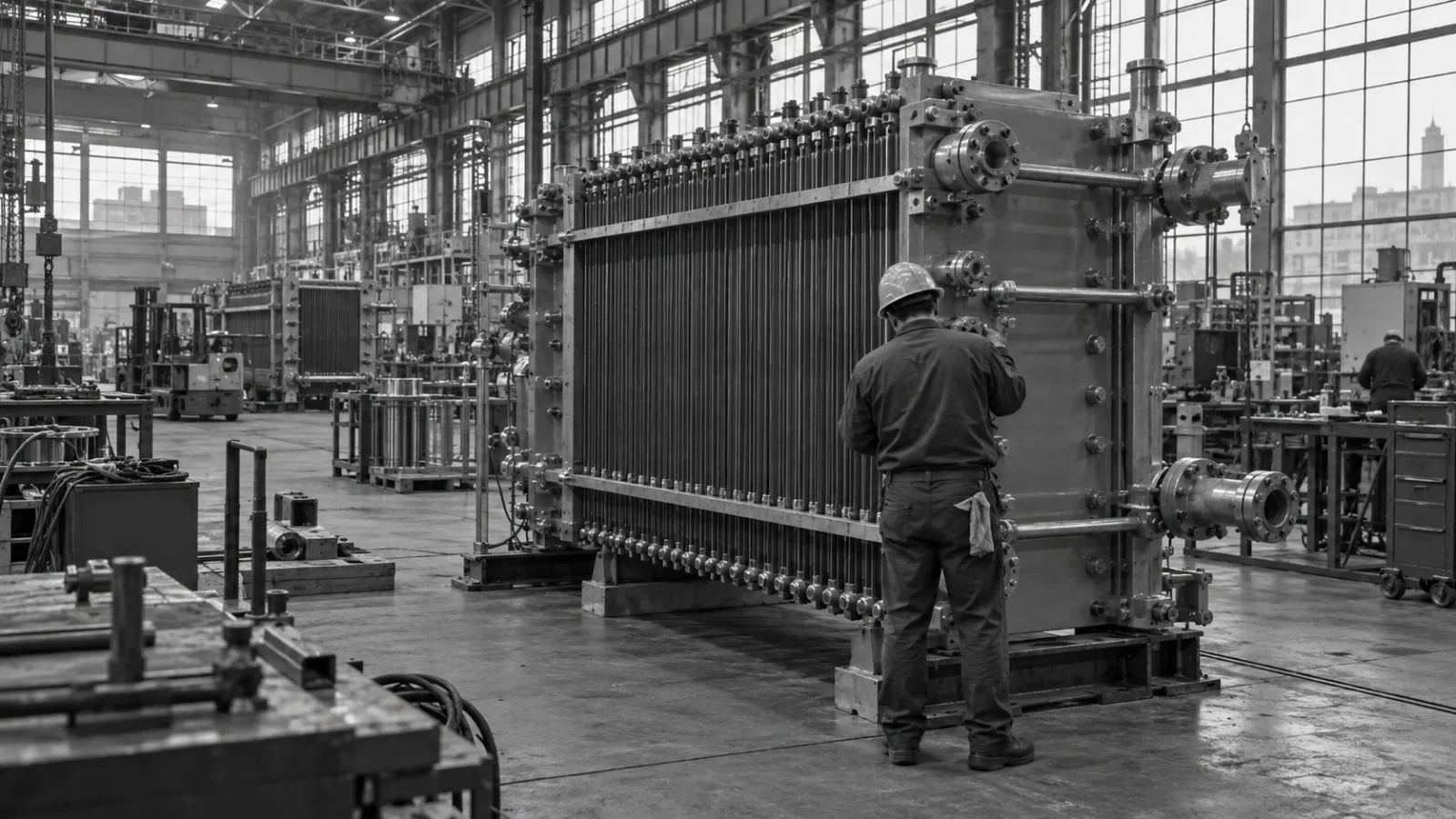
This is in no small part down to its strong industrial performance. The industrial sector reportedly accounts for 25.7% of GDP, with Lloyds Bank noting that it employs around 26% of the economically active population in Lithuania.
This industrial performance drives Lithuania’s exports, with oil refining and chemicals ranked Lithuania’s top exporting industries. In fact, many of Lithuania’s products sold overseas, including oils, plastic products, machinery, pharmaceuticals, chemical products (including PET), and so on, are the product of a thriving petrochemical industry.
The petrochemicals industry is a broad-brush term covering a vast chain, from oil refinery down to the creation of essential materials. This includes both commercial and household products, with each item requiring a series of complex chemical and mechanical processes to create.
Lithuania’s significant advantage is that it is able to do a lot of this production in-country, reducing the need for additional export/import costs and further inefficiencies along the supply chain.
As with many other Eastern European countries following the collapse of the Soviet Union, Lithuania’s petrochemicals industry was disjointed in the 1990s, with limited coordination along the supply chain.
However, concerted attempts to transform Lithuania’s petrochemical sector in the early 2000s have had a lasting impact on its economic performance today.
Companies like the Austrian Petrochemical Holding GmbH, which, among other things, built a polyethylene terephthalate (PET) plant in Klaipeda, Lithuania in 2004, saw the opportunity to reduce costs by increasing integration in what was a disjointed system. Focusing on Polyethylene Terephthalate PET, the company was able to bring together upstream processes such as crude oil processing, all the way down the supply chain to producing PET preforms. These pre-forms would then be able to be used in a variety of products through injection moulding, from food packaging to clothing and electrical components.
By concentrating the supply chain within the country, the industry was able to remove the need for additional transportation costs, including piping, shipping and the associated taxes.
In 2021, this accounted for 13.9% of Lithuania’s industry exports in 2021, with fertilisers and plastics, particularly PET, leading the way.
Whilst current international and national politics is having an impact on Lithuania’s prospects, the petrochemicals sector remains a major contributor to its wider economy.
The transformation of Lithuania’s petrochemicals sector in the noughties sets a strong example for how countries should approach the industry and the strong benefits that can come from adopting increased vertical integration.
As Lithuania’s economy continues to thrive, continued investment in its industrial sector is key to its ongoing performance.
This article does not necessarily reflect the opinions of the editors or management of EconoTimes.