


 Australia Plans New Rules Giving Users Control Over Social Media Feeds
  U.S. Issues Cuba Health Alert as Illnesses Rise
  Trump Administration Moves to Strip ABA of Law School Accreditor Status
  US Resumes Immigrant Visa Processing for Hungary, Poland
  US Stock Futures Mixed as Fed Rate Hike Bets Rise
  Gold Prices Rebound as Dollar Weakens, Fed Decision Looms
  Iran Plans New Gulf Restricted Zone as Hormuz Tensions Push Oil Higher
  Trump Grants Clemency to Jay-Z Associate Emory Jones
  Japan GDP Growth Beats Forecast, Boosting BOJ Rate Hike Bets
  Australia Defends Social Media Algorithm Law Amid US Concerns
  New Zealand Moves to Ban Social Media for Children Under 16
  US Judge Dismisses Imran Ahmed Deportation Lawsuit
  Asian Stocks Mixed as Korean Chipmakers Rally
  US Sailor’s Father Detained by Immigration Authorities
  France Targets Shein, Temu With Fast-Fashion Fees
  Asian Currencies Mixed as Yen Rallies on BOJ Bets
  Trump Targets 1,000 U.S. Space Launches Annually by 2030


 Add as a preferred source on Google
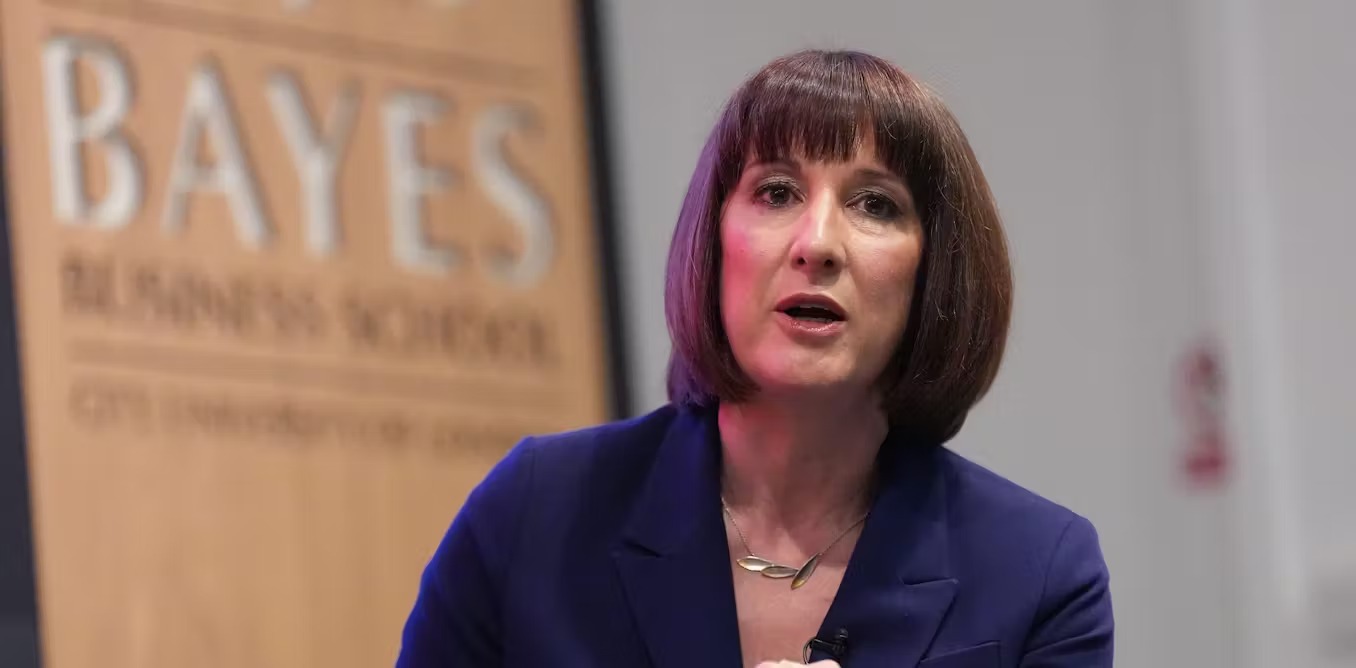
British finance minister Rachel Reeves plans to cut over £2 billion ($2.58 billion) annually from civil service administrative budgets by 2029-30, according to a cabinet office source. The cost-cutting initiative aims to help meet the government’s fiscal rules while shifting funds towards essential public services.
Reeves is expected to unveil the measures next Wednesday in a key budget update, alongside revised economic forecasts from the Office for Budget Responsibility. Under the proposed plan, departmental administration budgets will be reduced by 10% by 2028-29 and 15% by 2029-30.
The spending cuts target back-office functions such as communications, human resources, policy roles, and financial procurement. However, frontline positions, including those in border force and prisons, will be excluded from the reductions.
"To deliver our Plan for Change we will reshape the state so it is fit for the future. We cannot stick to business as usual," said a cabinet office source. “By cutting administrative costs we can target resources at frontline services—with more teachers in classrooms, extra hospital appointments, and police back on the beat.”
The plan, designed to make the government more efficient and financially sustainable, could affect thousands of civil service jobs. Cabinet Office Minister Pat McFadden will formally communicate the changes to departments next week.
These reforms reflect the Labour government’s intent to prioritize public-facing services while ensuring fiscal discipline. As the UK economy faces ongoing pressures, Reeves’ strategy signals a significant shift toward streamlined governance and resource reallocation.
This move could have far-reaching implications for public sector employment and budget planning, as the government works to balance economic recovery with efficient service delivery.







